
Selling a home in San Francisco can be a daunting task, particularly if you're unfamiliar with the city's dynamic and often competitive real estate market. Whether you're looking to downsize, upgrade, or relocate, the process of selling your home requires careful preparation, strategic decision-making, and a trusted guide to help you navigate the intricacies of the market. Selling Your Home isn't just about putting up a "For Sale" sign; it’s about ensuring you’re getting the best price, in the least stressful way possible.
In this guide, we'll walk you through each step of the selling process, from understanding the market to closing the deal, providing valuable insights on how to achieve the highest possible return while minimizing unnecessary stress.
Understanding The San Francisco Real Estate Market
Market Overview
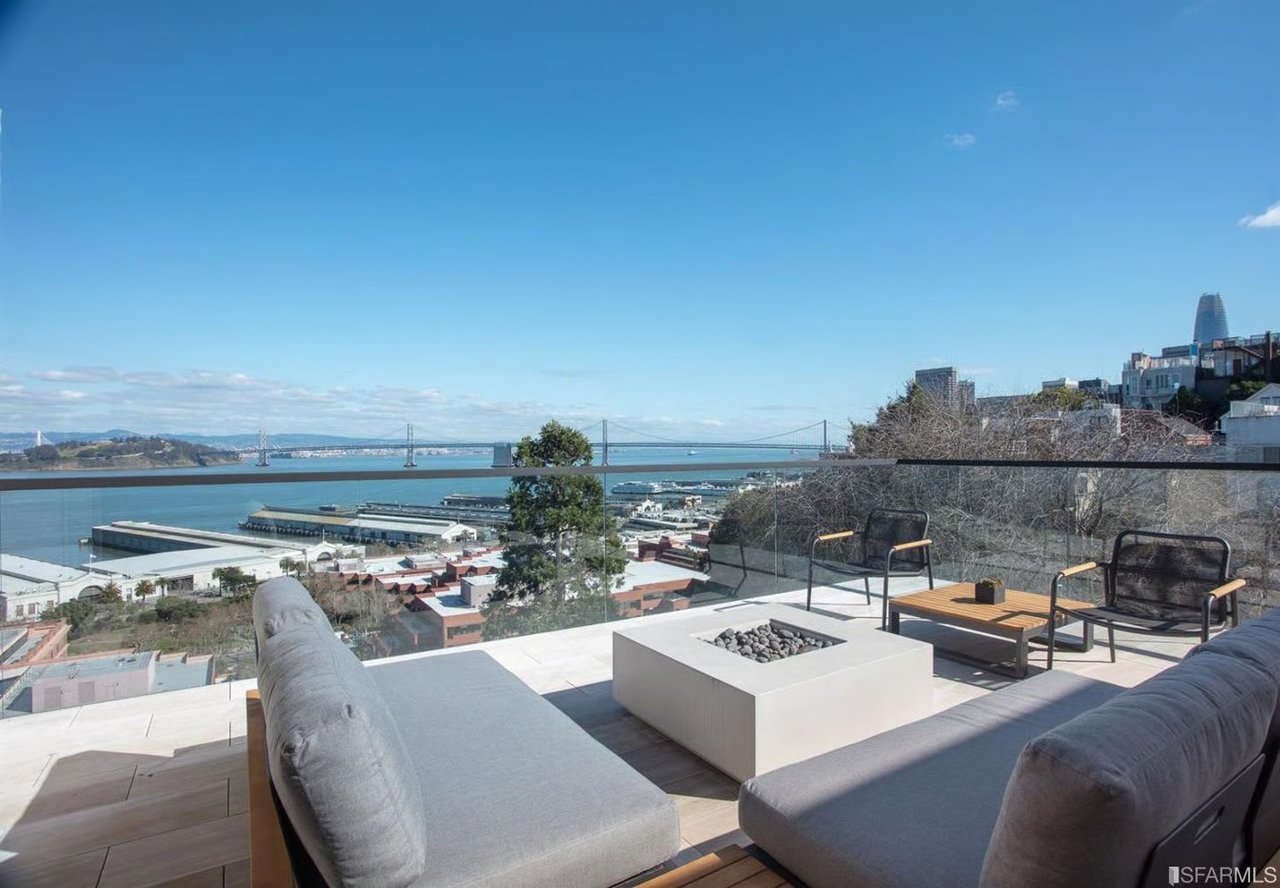
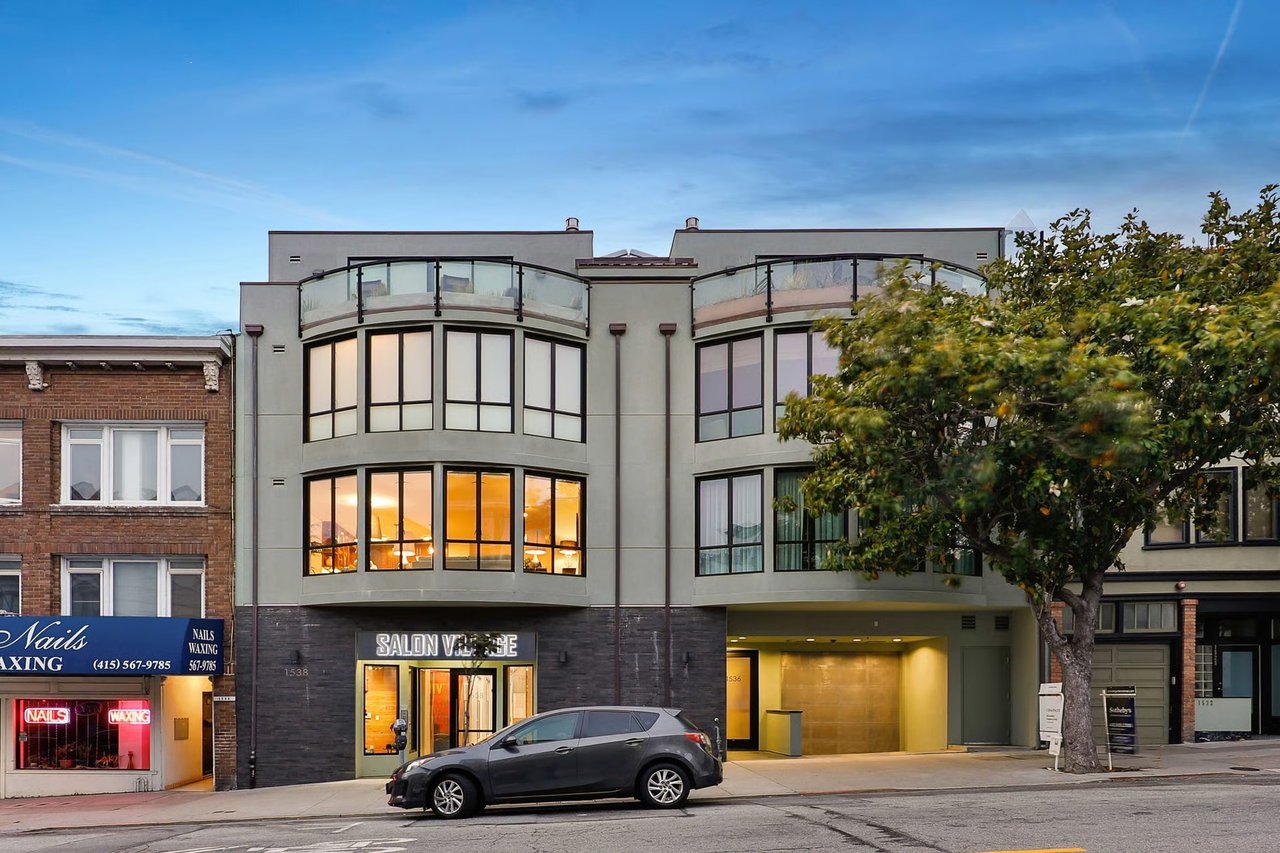
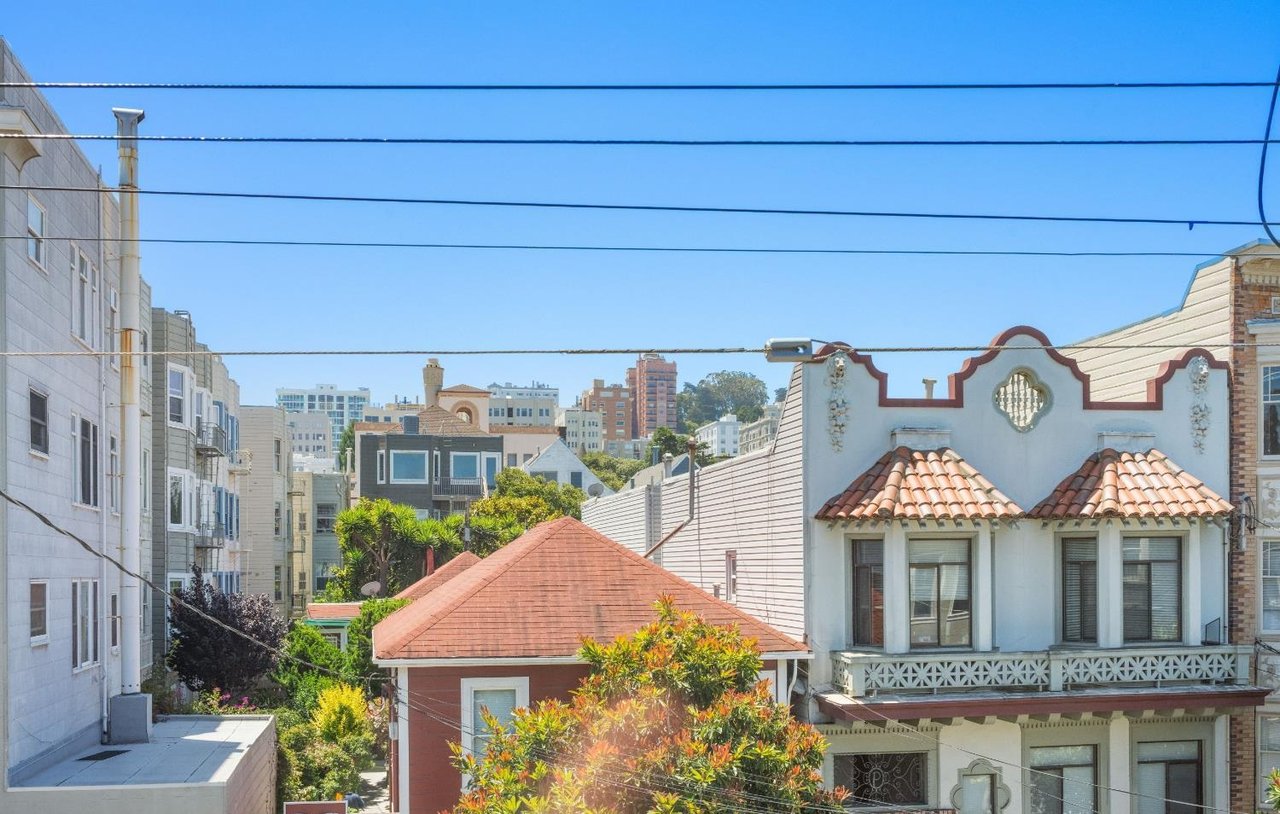
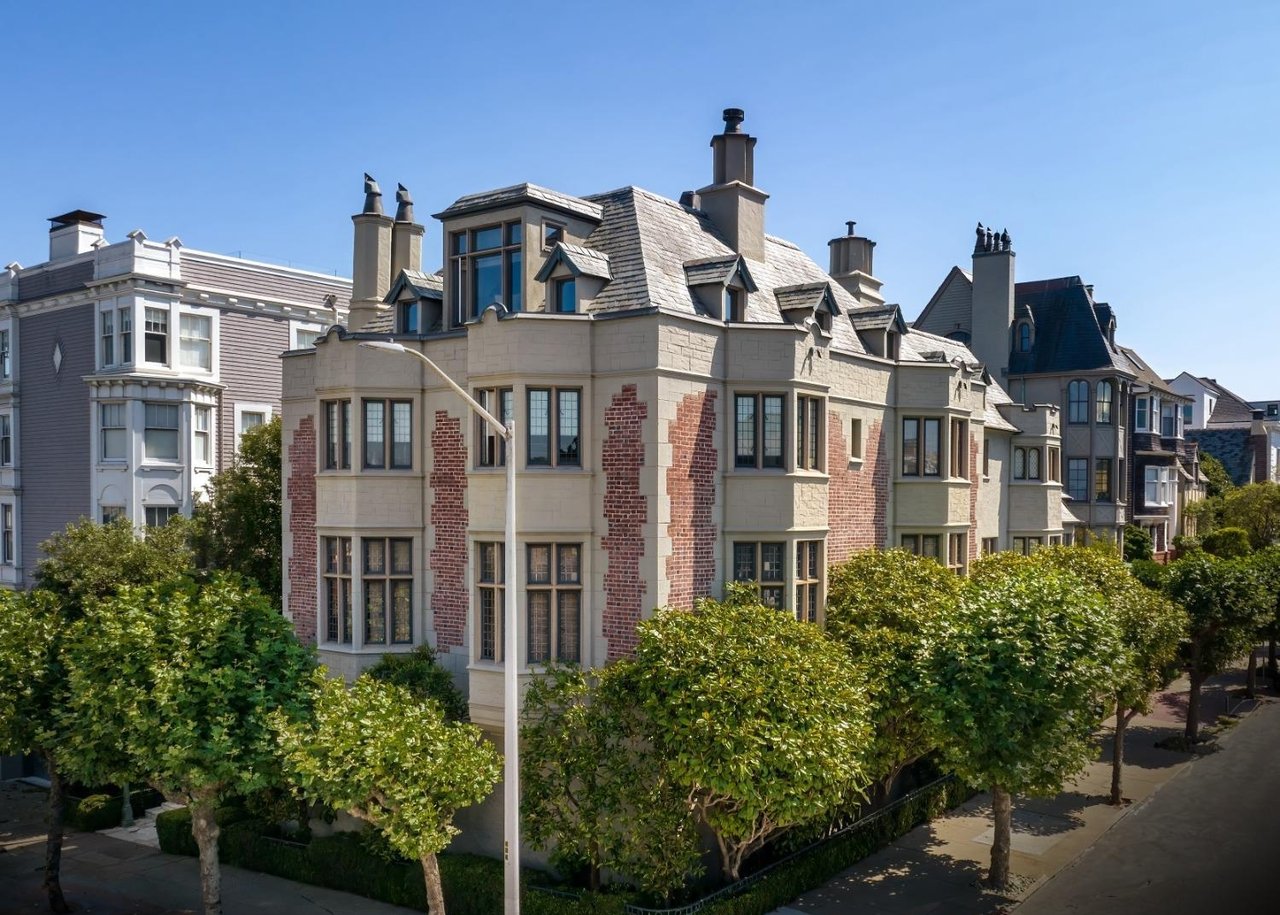
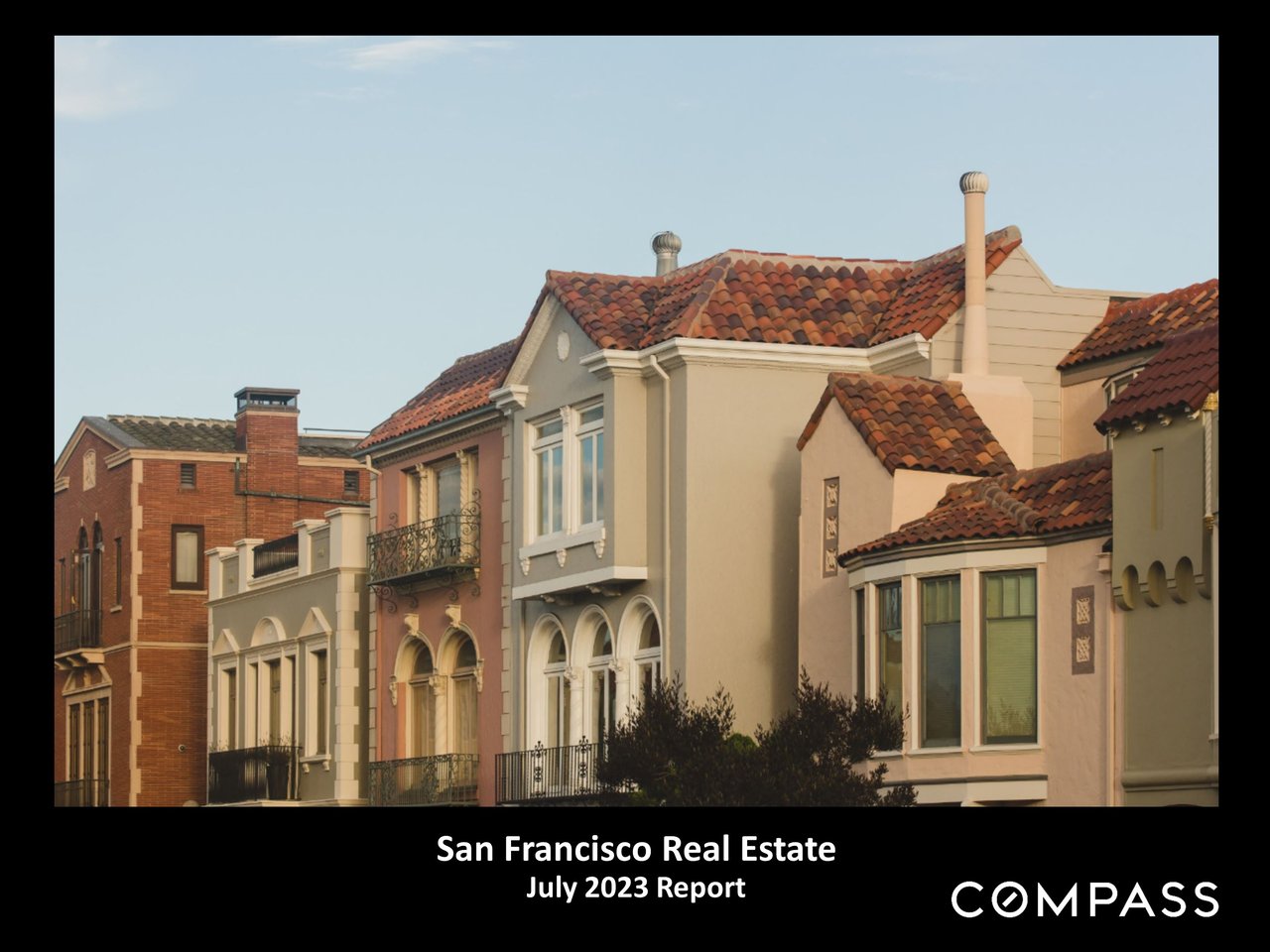
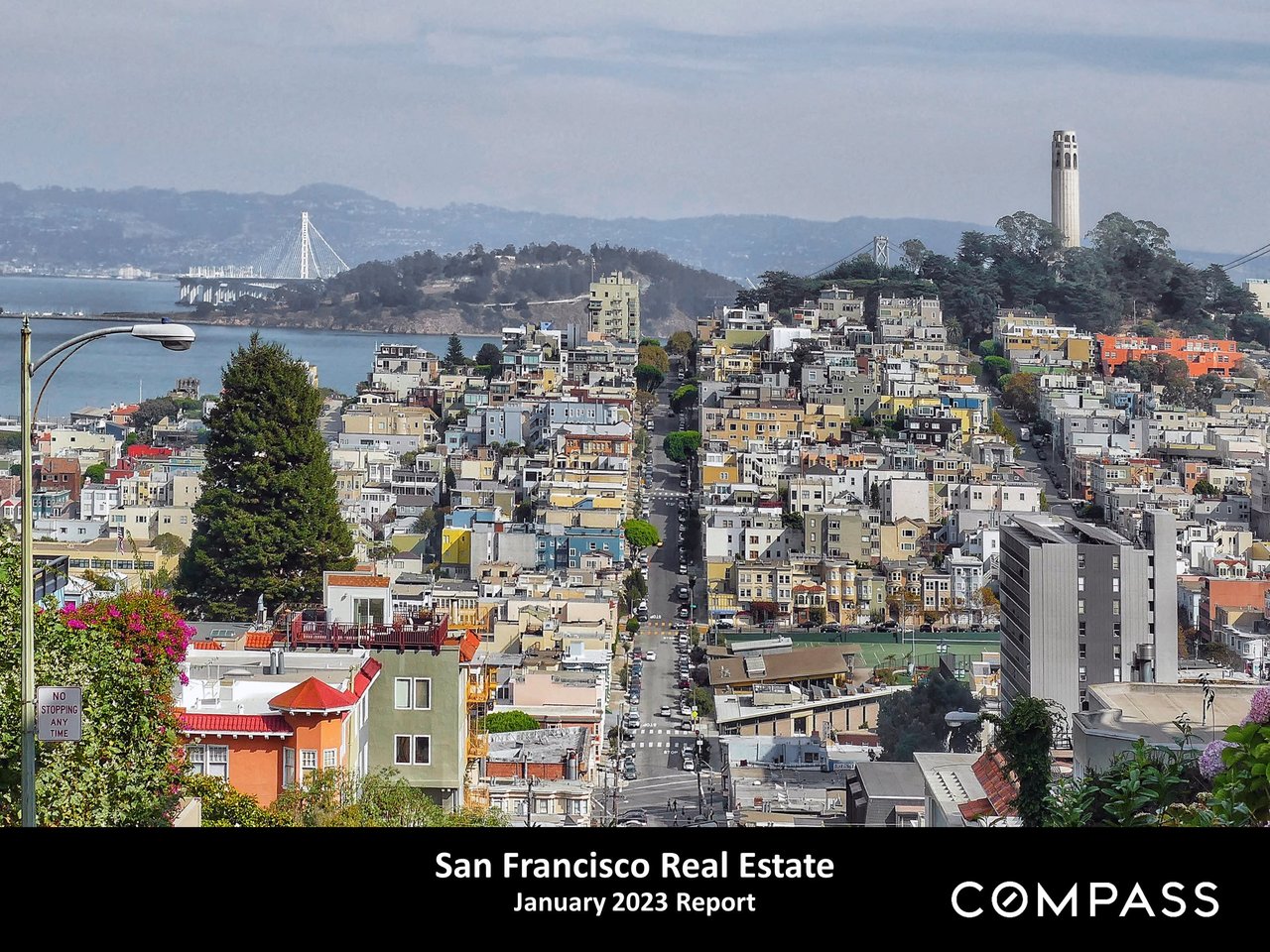
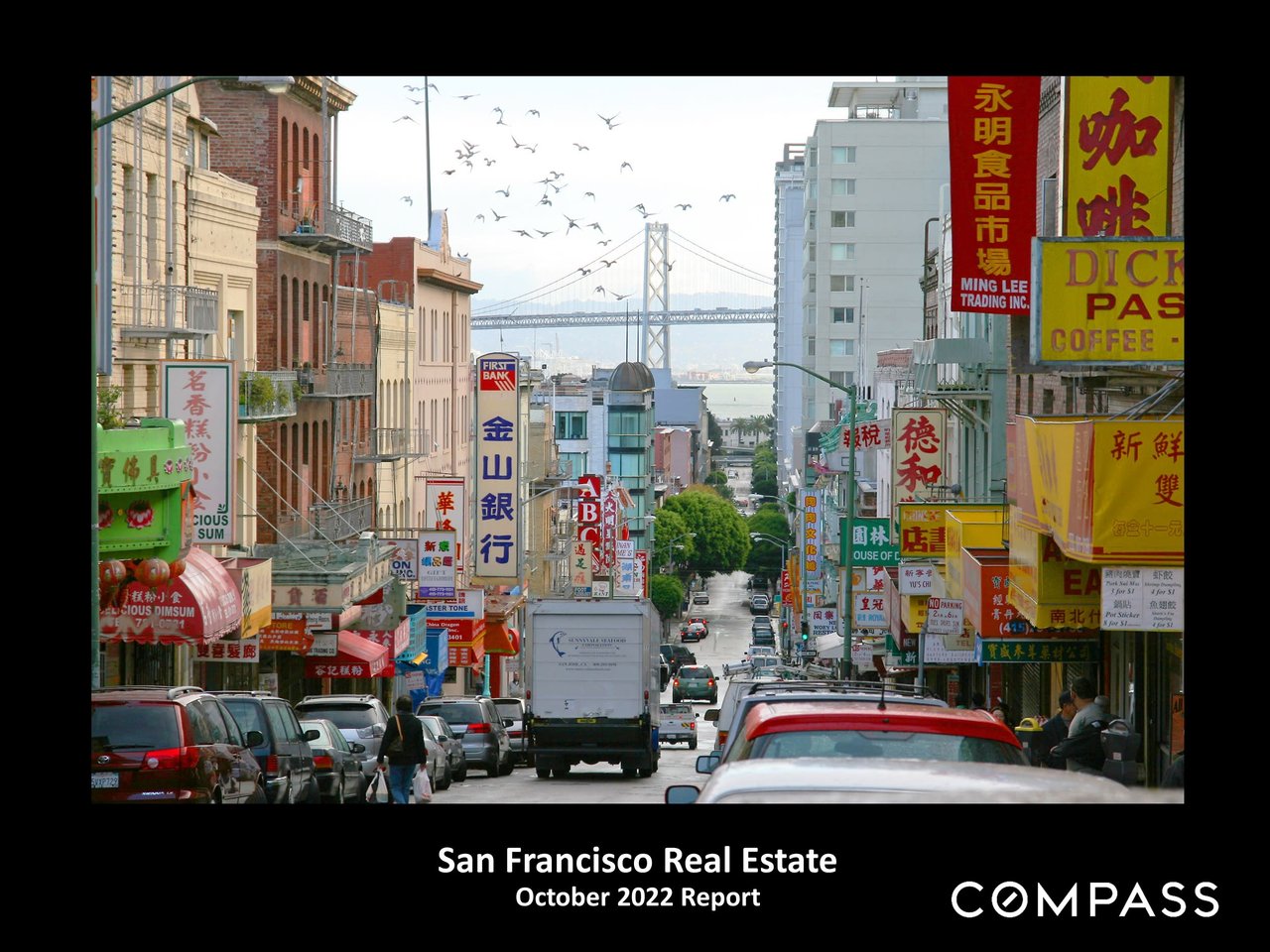
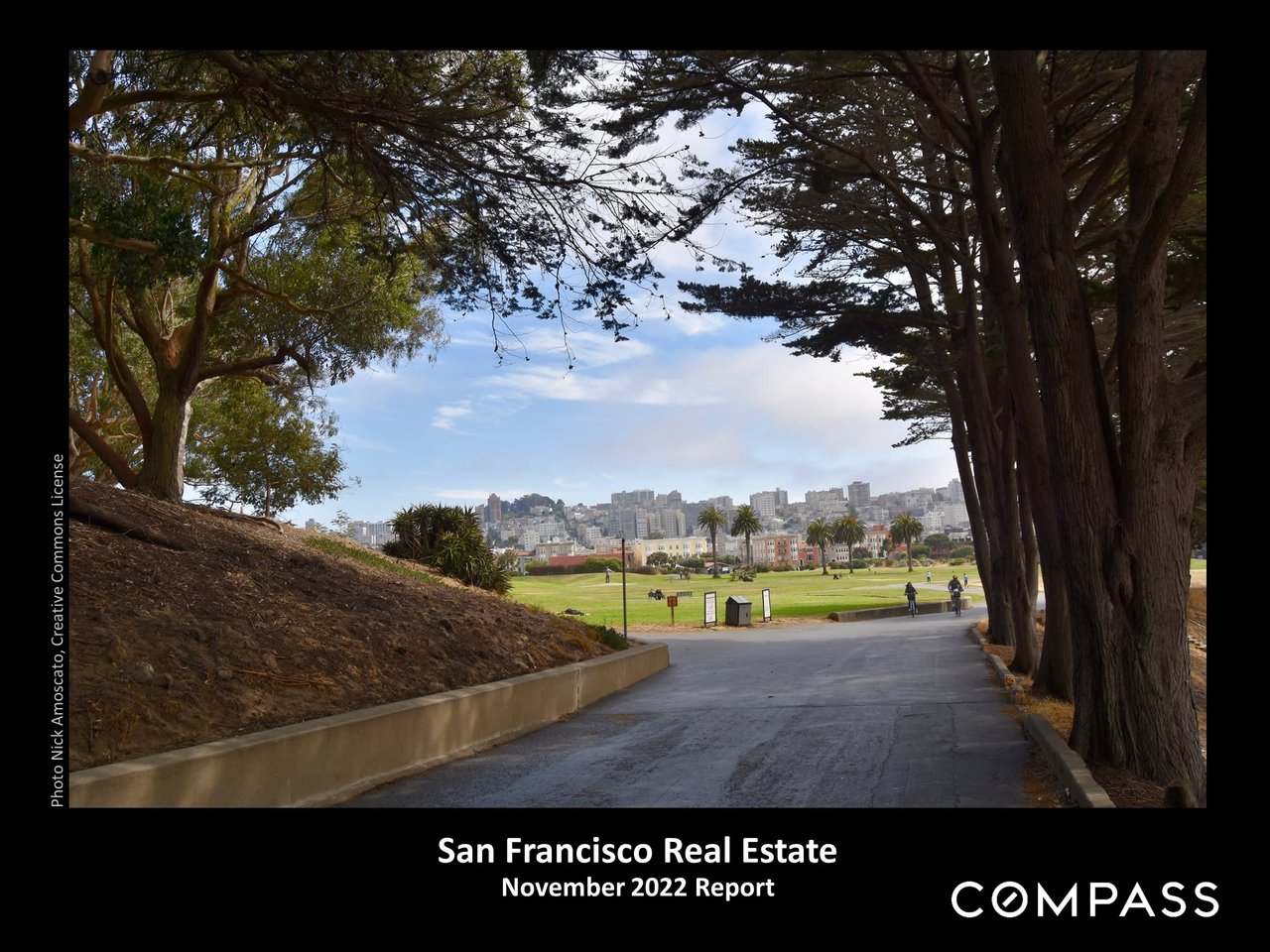
San Francisco is known for its unique and ever-changing housing market. With limited inventory, the city’s competitive real estate landscape creates both opportunities and challenges for sellers. From historic homes in neighborhoods like Pacific Heights to sleek, modern condos in the Marina District, the city’s real estate scene caters to a diverse group of buyers, especially those in the luxury and ultra-luxury segments. As of recent trends, San Francisco has experienced strong demand for homes, with property values steadily increasing, which can be advantageous for sellers ready to make a move.
However, selling in such a competitive market means sellers must be strategic in their approach. Buyers are often discerning, particularly in the luxury segment, where every detail counts. A well-thought-out selling strategy is essential to stand out and secure the best price for your property.
Why San Francisco is a Hot Market for Sellers
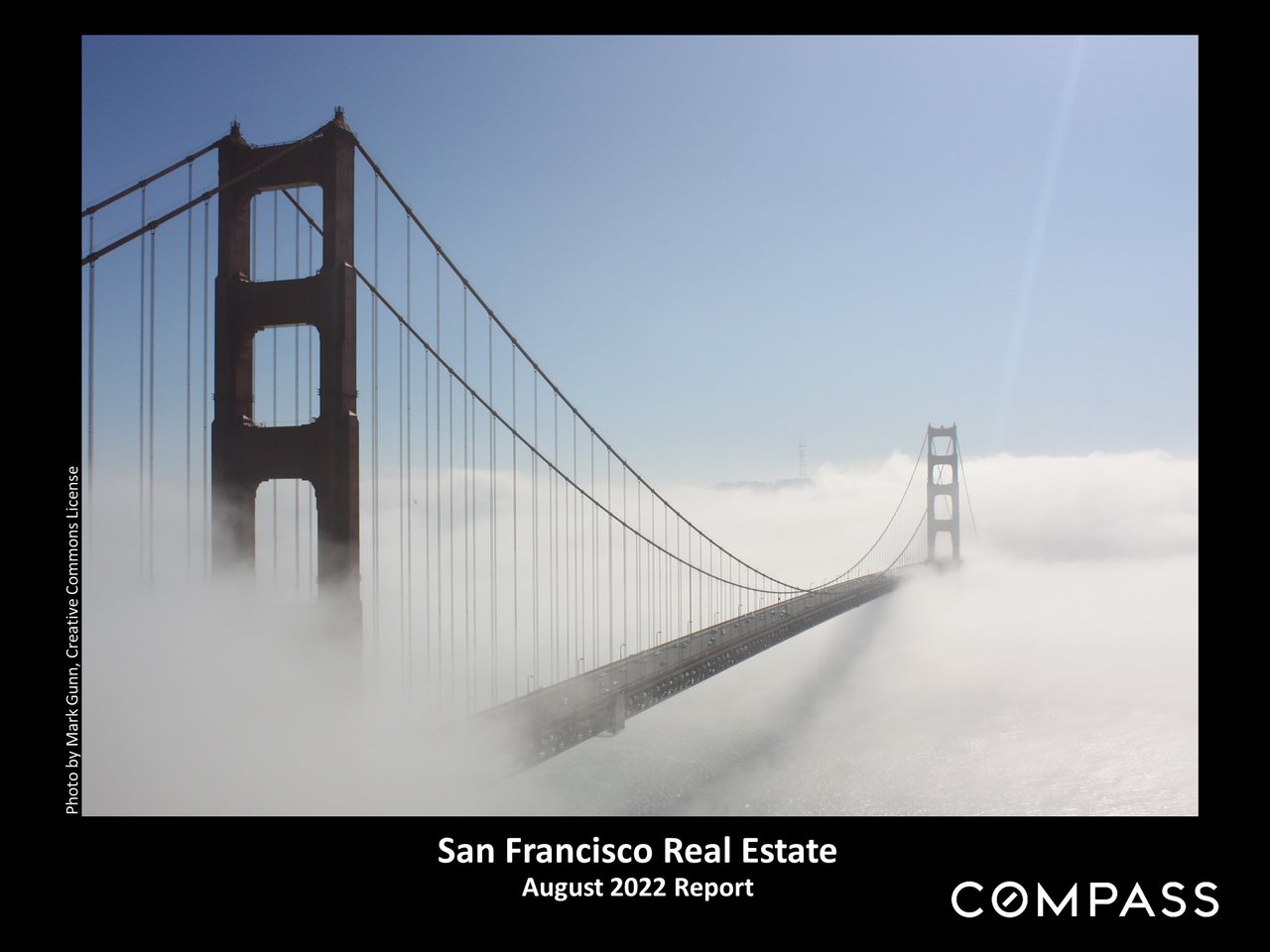
San Francisco continues to be one of the most desirable cities in the world for homebuyers. The city's booming tech industry, cultural richness, and unparalleled natural beauty make it a coveted destination. Additionally, the demand for luxury properties remains strong, driven by high-net-worth individuals seeking exceptional homes in premium neighborhoods like Presidio Heights, Cole Valley, and Eureka Valley. These factors contribute to an ideal selling environment, where homes are more likely to fetch top dollar if presented well and priced strategically.
Navigating Market Challenges
Despite the demand, one of the ongoing challenges for sellers is the limited inventory. With fewer homes available, the competition among buyers intensifies, often leading to bidding wars that can drive prices higher. However, sellers need to be cautious about overpricing, as this can alienate potential buyers or cause the property to languish on the market. Understanding the market's ebb and flow is crucial to timing your sale for maximum profit.
Preparing Your Home For Sale
Making a Great First Impression
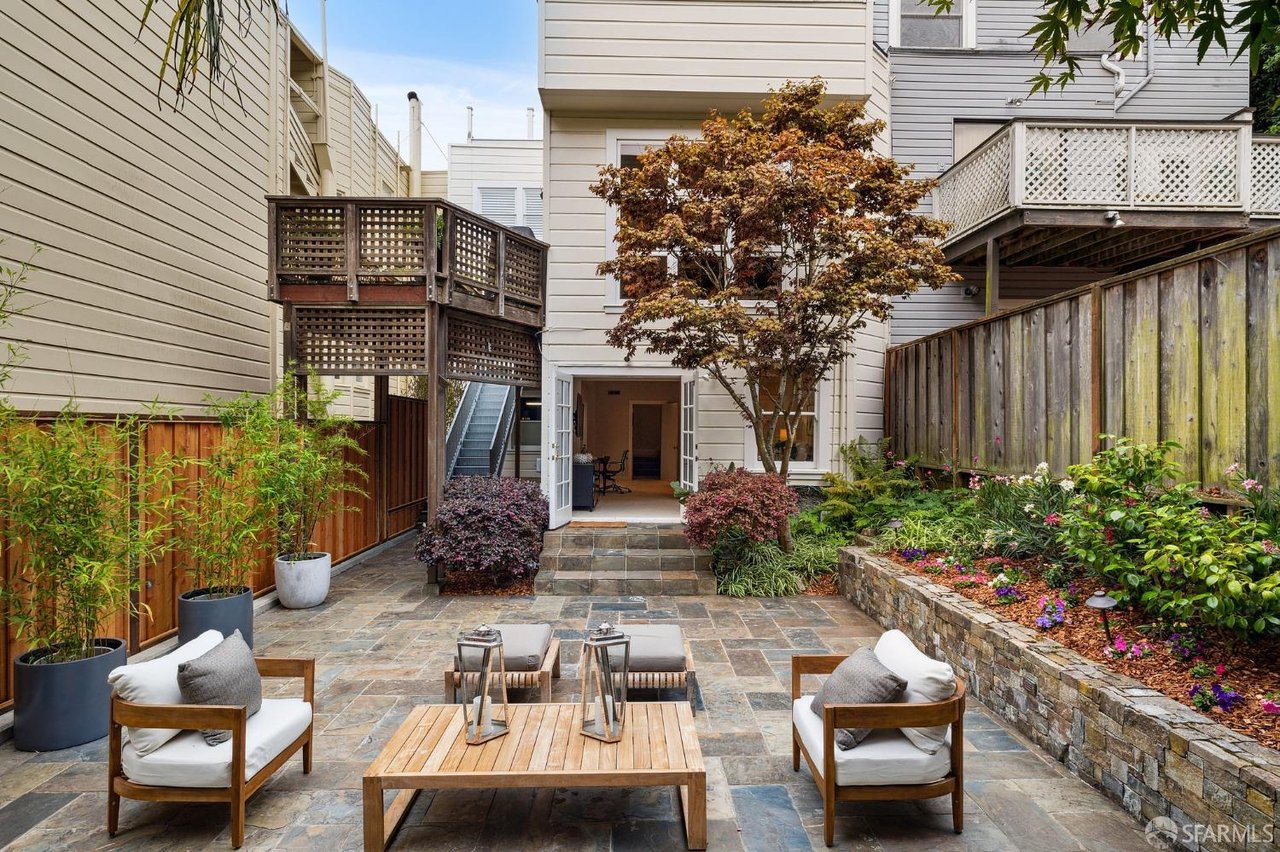
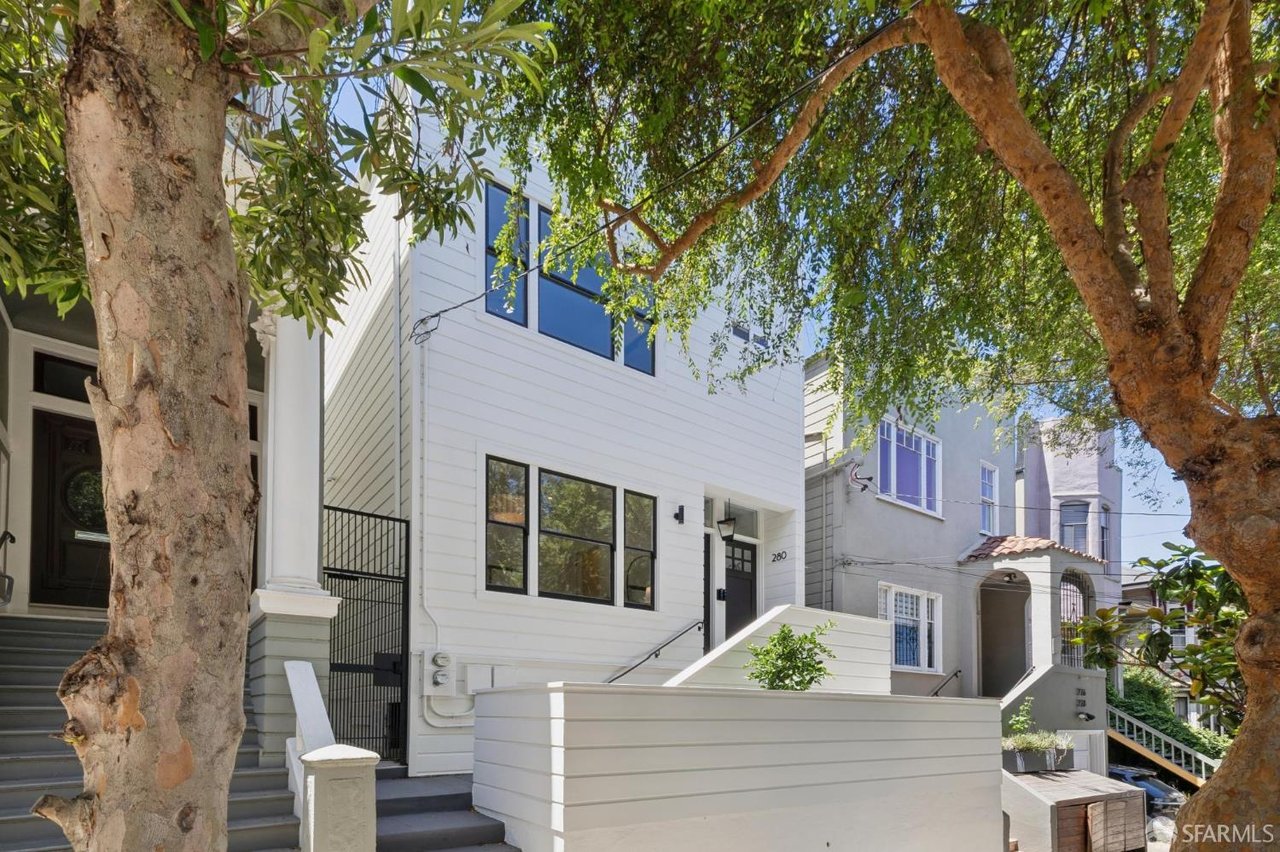
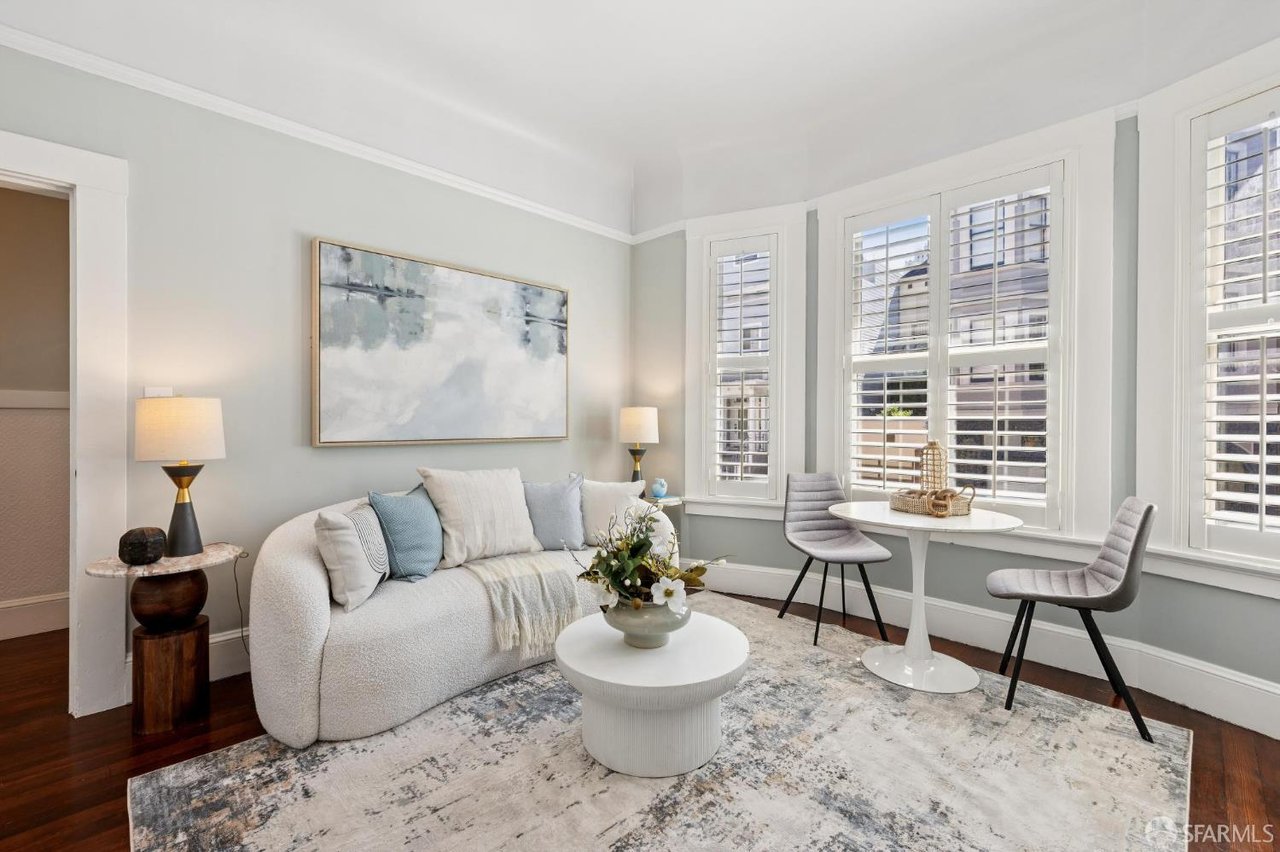
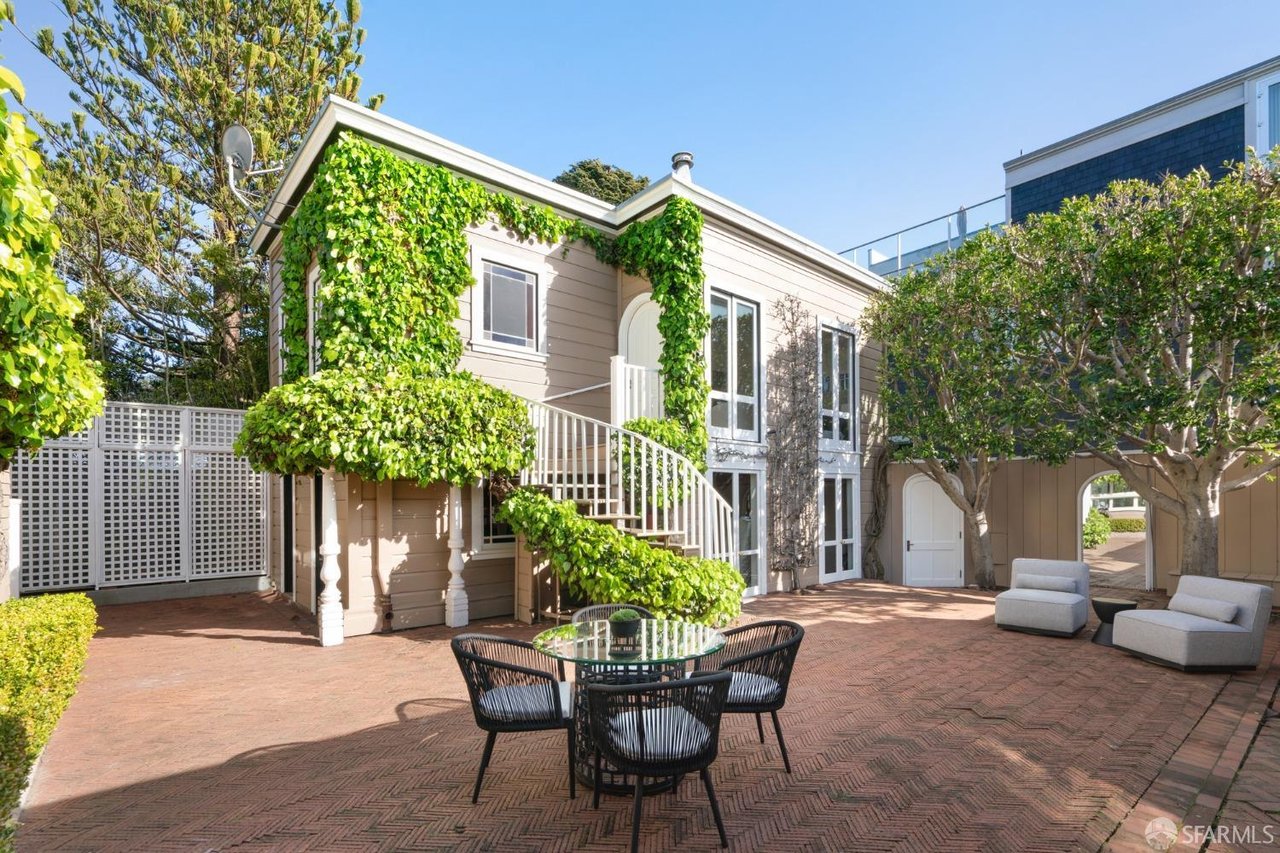
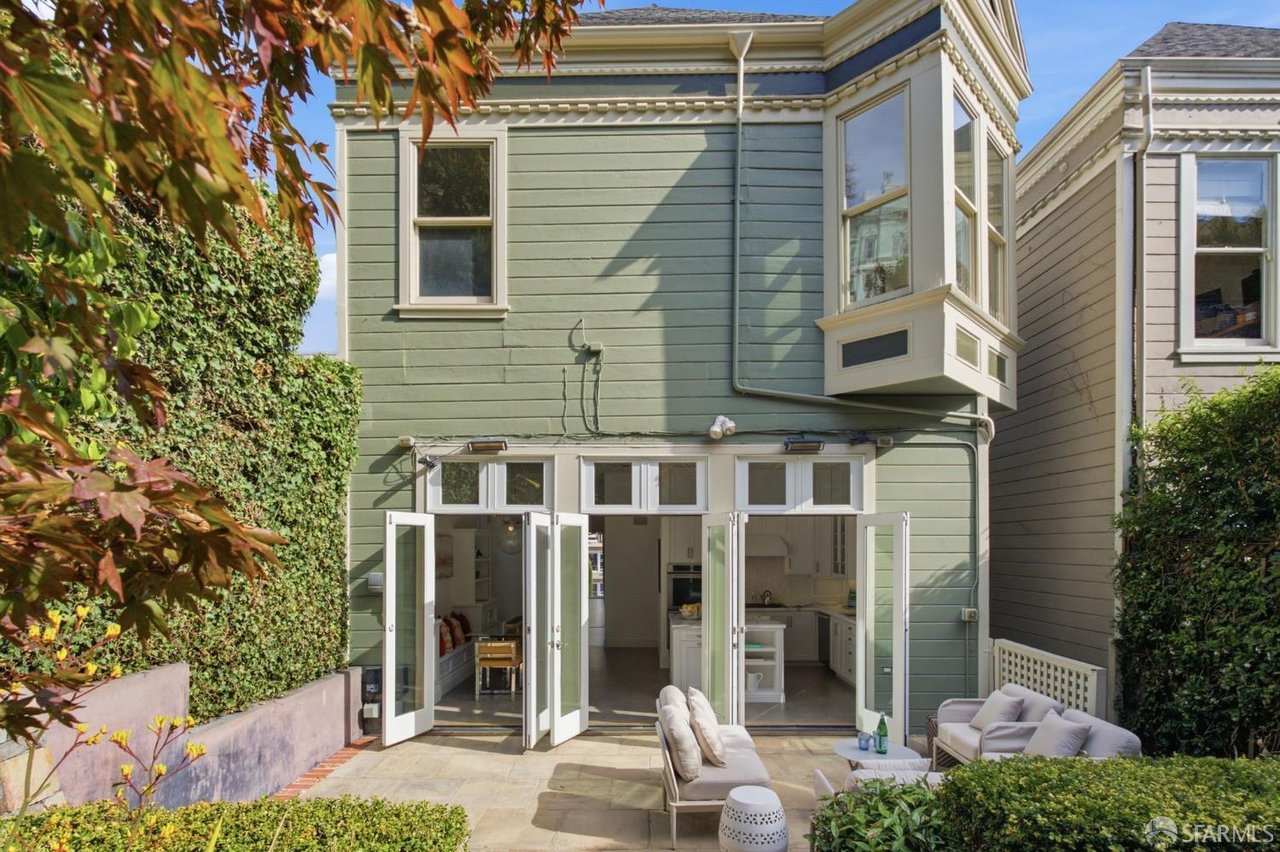
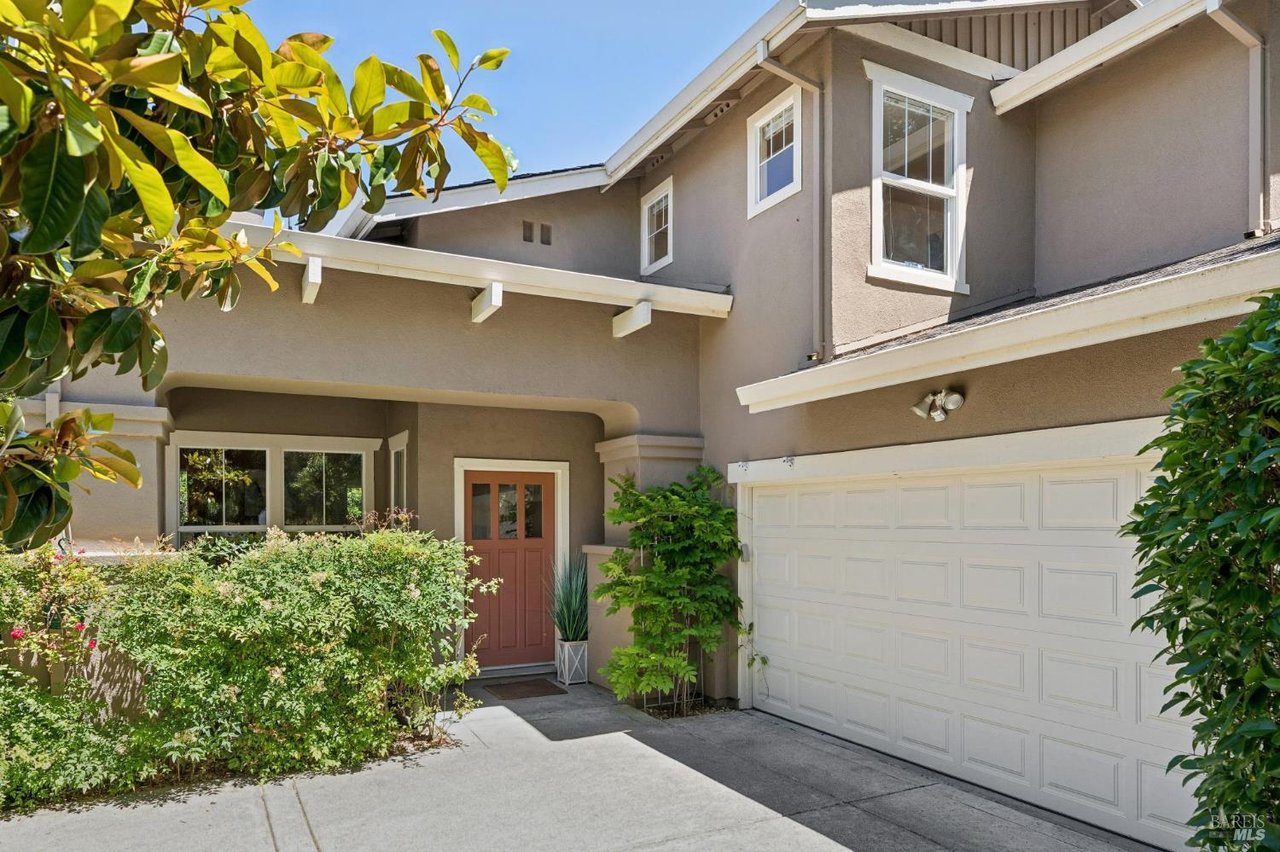
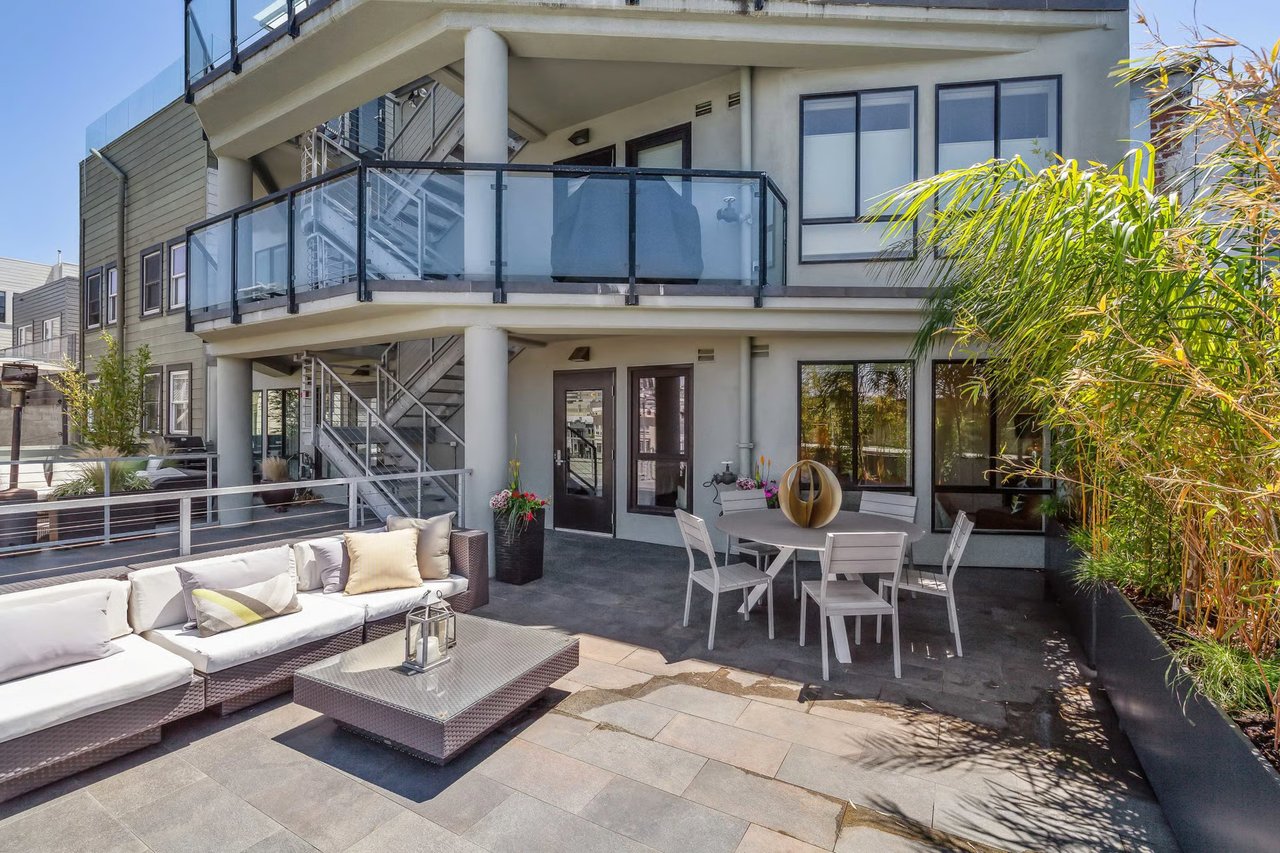
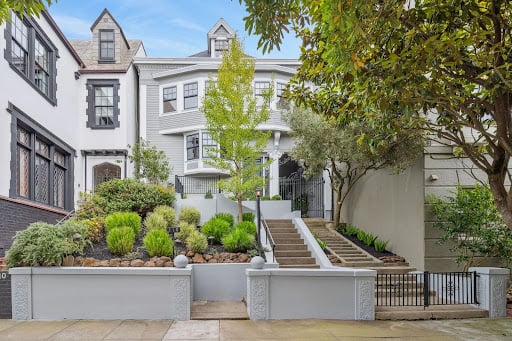
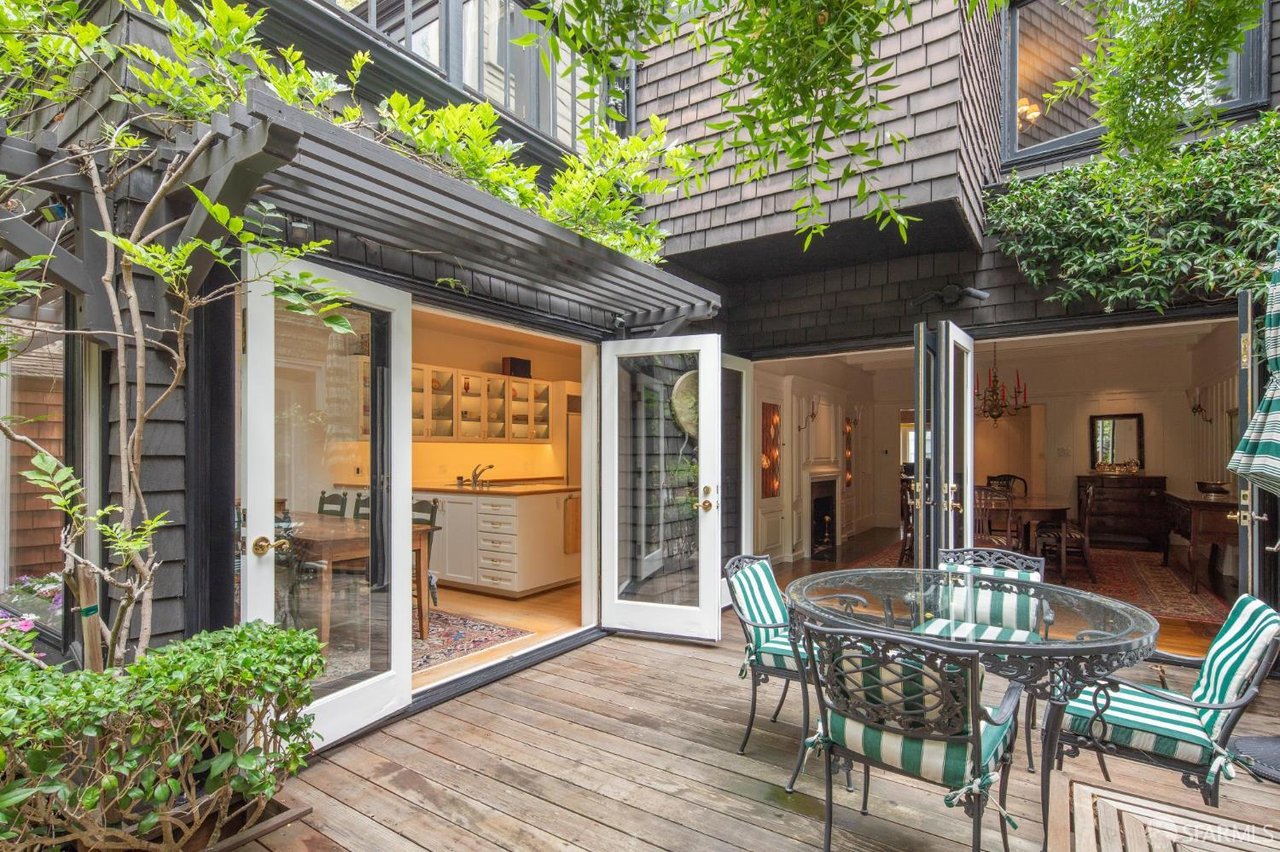
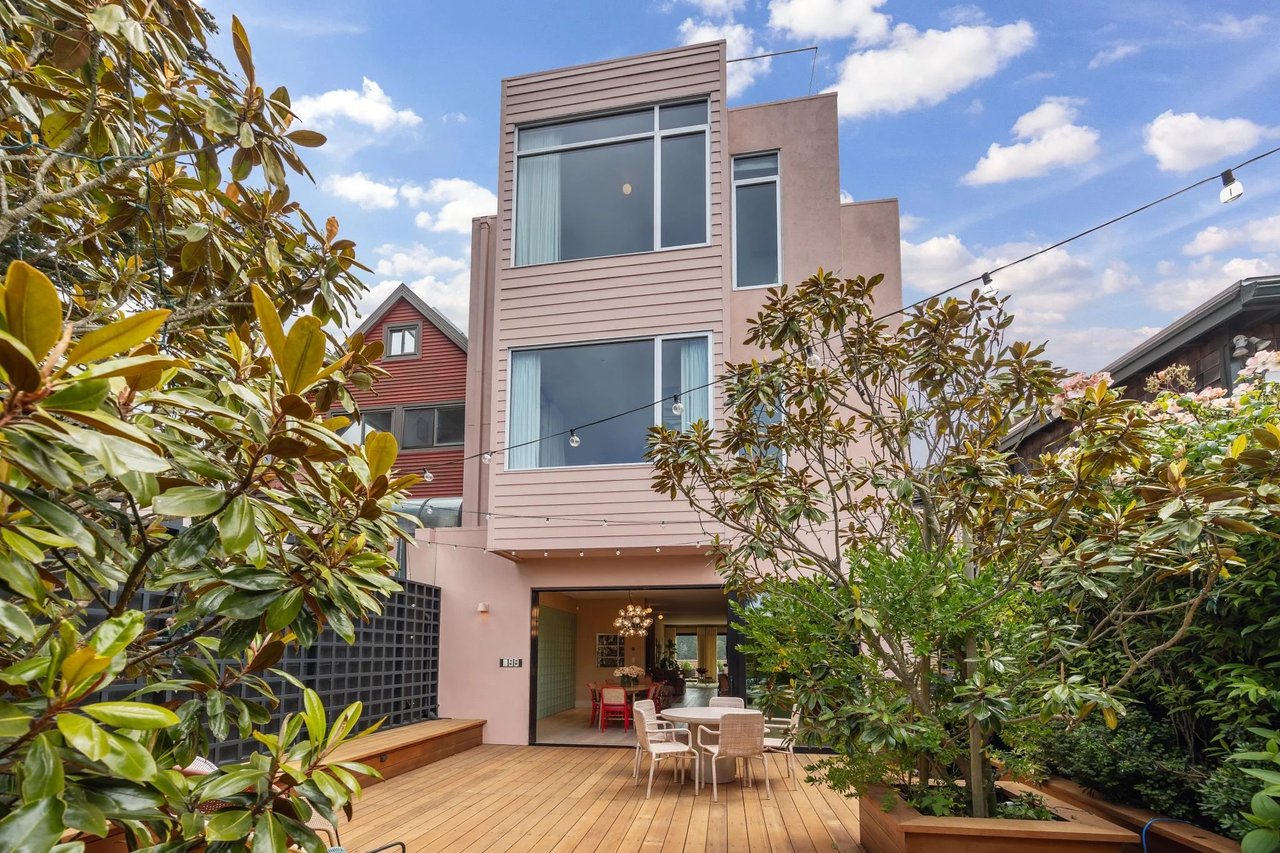
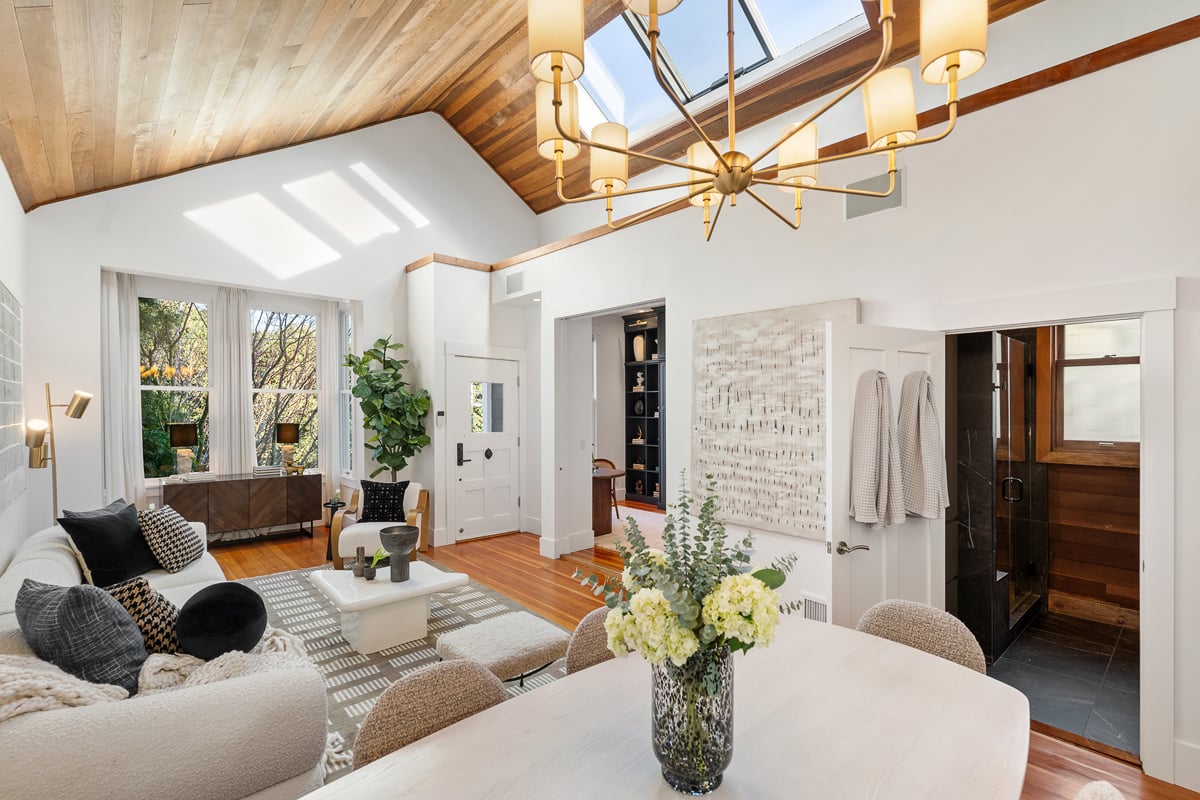
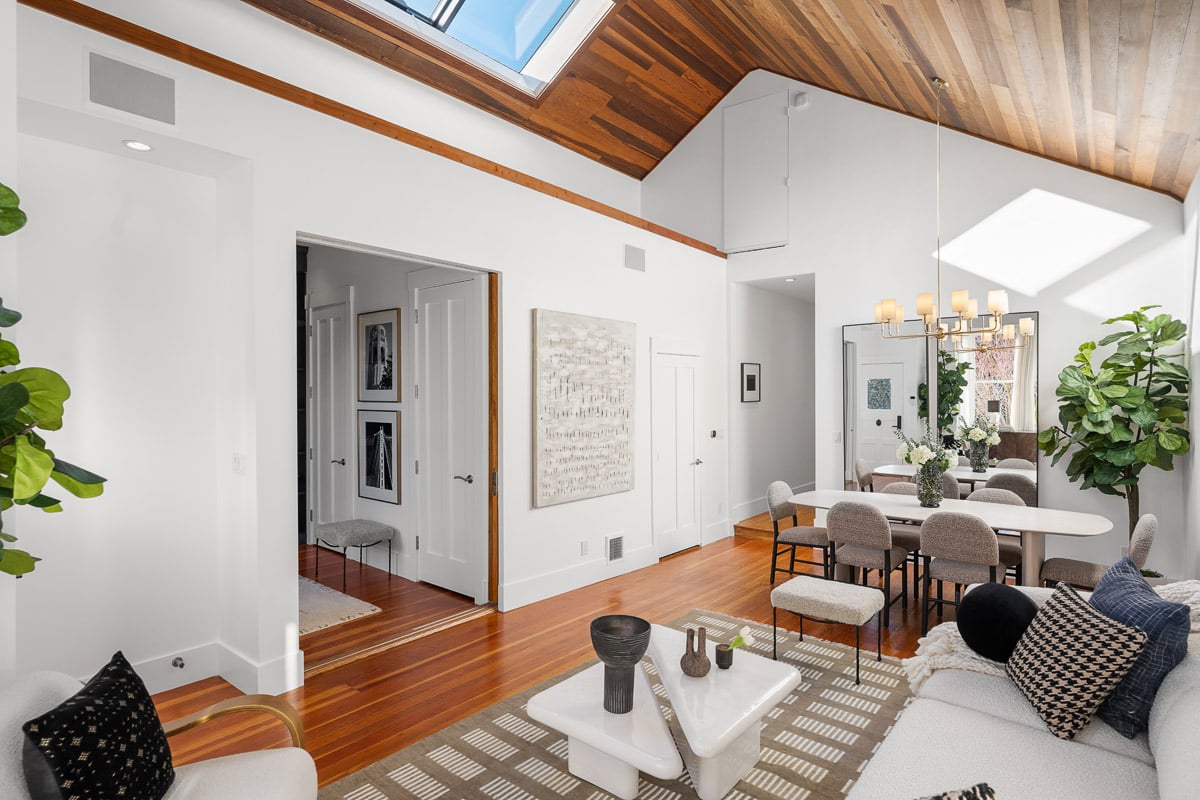
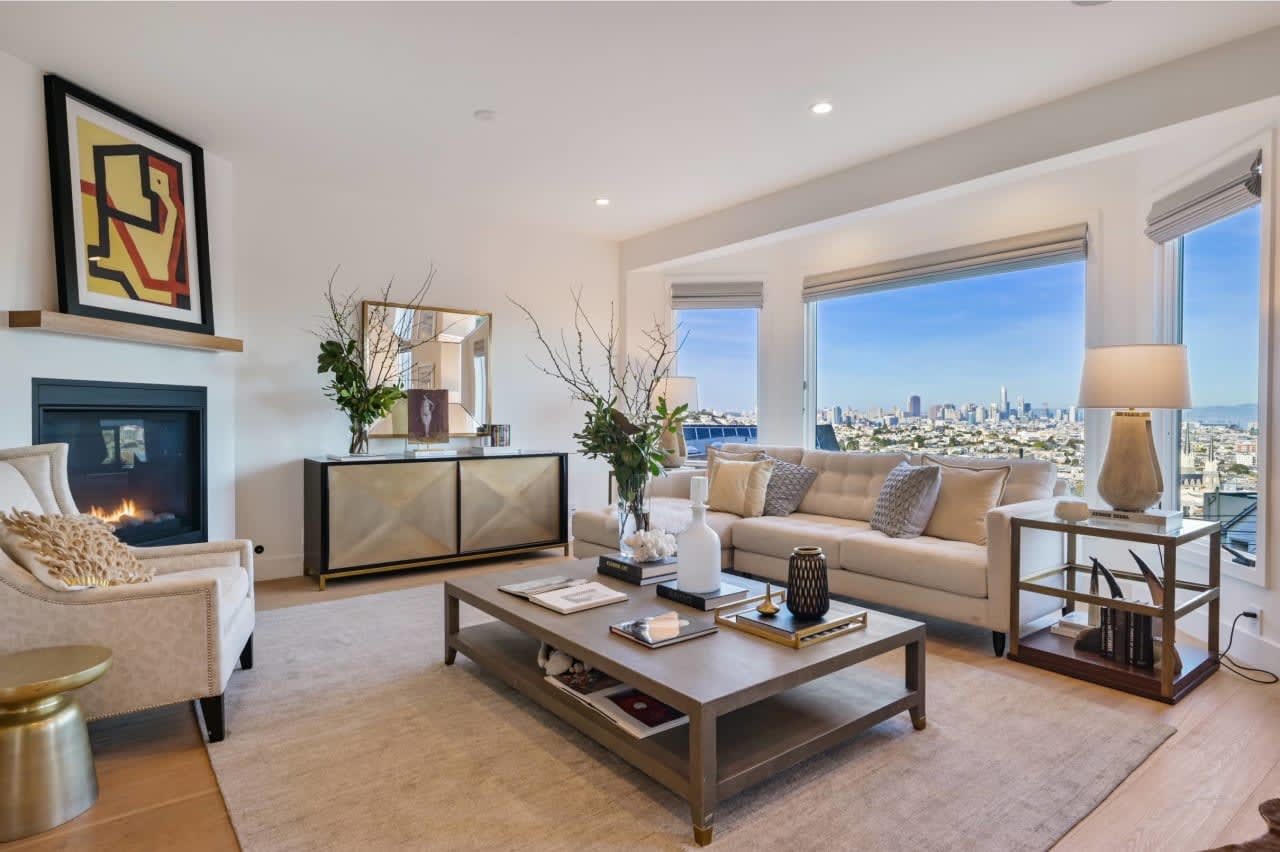
The first impression your home makes on potential buyers is critical. This goes beyond just a clean and tidy appearance; it’s about presenting a space that resonates with buyers' desires and emotions. Staging your home to highlight its best features, whether it’s a sun-drenched living room or an expansive kitchen, can make a significant difference. Pay attention to the home's curb appeal as well; landscaping, fresh paint, and well-maintained exteriors all contribute to the overall appeal of your property.
Renovations and Upgrades: Worth It or Not?
In the luxury market, high-quality renovations can elevate a property’s value and attract serious buyers. However, not all renovations yield a high return on investment. Focusing on key areas like the kitchen, bathrooms, and outdoor spaces is often worthwhile, but it's essential to approach upgrades with care. Opt for improvements that align with current buyer preferences, without overdoing it. Consulting with a professional to determine the best upgrades for your property can ensure that your investment translates into a profitable sale.
Pricing Your Home Strategically
The price you set for your home plays a pivotal role in how quickly it sells and how much you ultimately earn. Pricing too high may deter buyers, while pricing too low could result in leaving money on the table. A strategic pricing approach, backed by market analysis and an understanding of recent sales in your neighborhood, is essential. Your realtor will help assess the optimal price point, factoring in not just the square footage and condition of the home, but also the neighborhood’s desirability and the overall market conditions.
Working With A Realtor To Sell Your Home
Choosing the Right Realtor
When it comes to selling your home in San Francisco, working with a skilled realtor who understands the nuances of the local market is crucial. Look for a realtor who specializes in luxury properties and has a proven track record in San Francisco’s real estate scene. Their expertise will guide you through the selling process, ensuring your property is priced correctly, marketed effectively, and negotiated with skill to get you the best possible deal.
The Role of a Realtor in Selling Your Home
A seasoned realtor does much more than list your property on the market. From staging and photography to hosting open houses and coordinating private showings, they handle the logistics of marketing your home. Most importantly, a skilled realtor acts as your negotiator, ensuring that offers reflect the true value of your property. They’ll also be there to guide you through the often complex paperwork and legalities of selling your home, ensuring a smooth transaction from start to finish.
Off-Market Opportunities
In San Francisco’s luxury market, off-market sales are becoming increasingly popular. Selling off-market allows you to reach a select group of buyers who are looking for exclusive properties, often before they’re listed publicly. For sellers who value privacy and discretion, this route offers an opportunity to negotiate directly with serious buyers, potentially avoiding bidding wars and attracting top dollar without the public exposure of a traditional sale.
Marketing Your Home
Effective Marketing Strategies
The key to selling your home for top dollar is marketing it to the right audience. Professional photography, virtual tours, and high-quality staging photos are essential in showcasing your property online. Additionally, targeted outreach to qualified buyers, whether through private showings or exclusive events, ensures that your home reaches those who are most likely to make an offer.
Social Media and Luxury Listings
In today’s digital world, social media plays a significant role in real estate marketing. Platforms like Instagram, Facebook, and even LinkedIn can help generate interest in your property, especially when used strategically. High-end property listing sites such as Zillow, Realtor.com, and the luxury-focused Compass and Sotheby’s sites are also critical for attracting the right buyers. By leveraging these digital tools, you can ensure maximum exposure and interest in your property.
Negotiating The Sale
Understanding Offers
Once offers start coming in, evaluating them can be more complicated than simply choosing the highest bid. While price is essential, other factors, such as the buyer’s financial stability, contingencies, and timeline, must also be considered. Working with an experienced realtor ensures that you make informed decisions about which offer aligns best with your needs and objectives.
Negotiation Tips
Effective negotiation is an art, and the stakes are high when selling a luxury home. A skilled realtor will help you navigate negotiations, ensuring that you secure the highest possible price while maintaining a smooth transaction. It’s not just about accepting the highest offer but negotiating the terms to your advantage, whether it’s reducing contingencies or setting favorable closing dates.
The Closing Process
Navigating the Closing Process
Once an agreement has been reached, the closing process begins. This includes inspections, appraisals, and ensuring that all legal and financial paperwork is in order. It’s important to remain flexible and responsive during this stage to keep the deal on track. Your realtor will guide you through each step, ensuring you’re fully informed and prepared.
What to Expect After the Sale
After your property has sold, there are still logistical steps to consider, such as moving, dealing with taxes, and transferring utilities. It’s also important to think long-term about preserving the value of your property, whether it’s for future investment or simply for ensuring that it remains a sought-after asset in the San Francisco real estate market.
Conclusion
Selling your home in San Francisco doesn’t have to be a stressful experience. With the right preparation, a knowledgeable realtor, and an understanding of the local market dynamics, you can sell your property for the highest possible price. From staging your home to negotiating offers, every step plays a crucial role in achieving a successful sale. Contact Lurie Group today to leverage our expertise in San Francisco’s luxury market, ensuring your real estate transaction is handled with precision and care.
FAQs
What is the best time to sell a home in San Francisco?
The best time to sell typically aligns with the spring and summer months when buyer demand is high. However, depending on your specific property, off-market opportunities may also arise throughout the year.
How do I increase the value of my home before selling?
Focus on key renovations that offer the best return on investment, such as updating the kitchen and bathrooms. Also, consider staging the home to make it more appealing to potential buyers.
Is it better to sell my home on the market or off-market?
Selling off-market can be a great option if you value privacy and exclusivity. However, it’s essential to weigh the potential benefits against the risks of a public listing.
How do I find the right realtor in San Francisco?
Look for a realtor with experience in the luxury market who understands the nuances of San Francisco’s real estate scene and has a proven track record of successful sales.
What should I expect during the closing process?
The closing process involves completing inspections, appraisals, and all necessary paperwork. It’s essential to remain responsive to ensure the transaction goes smoothly.