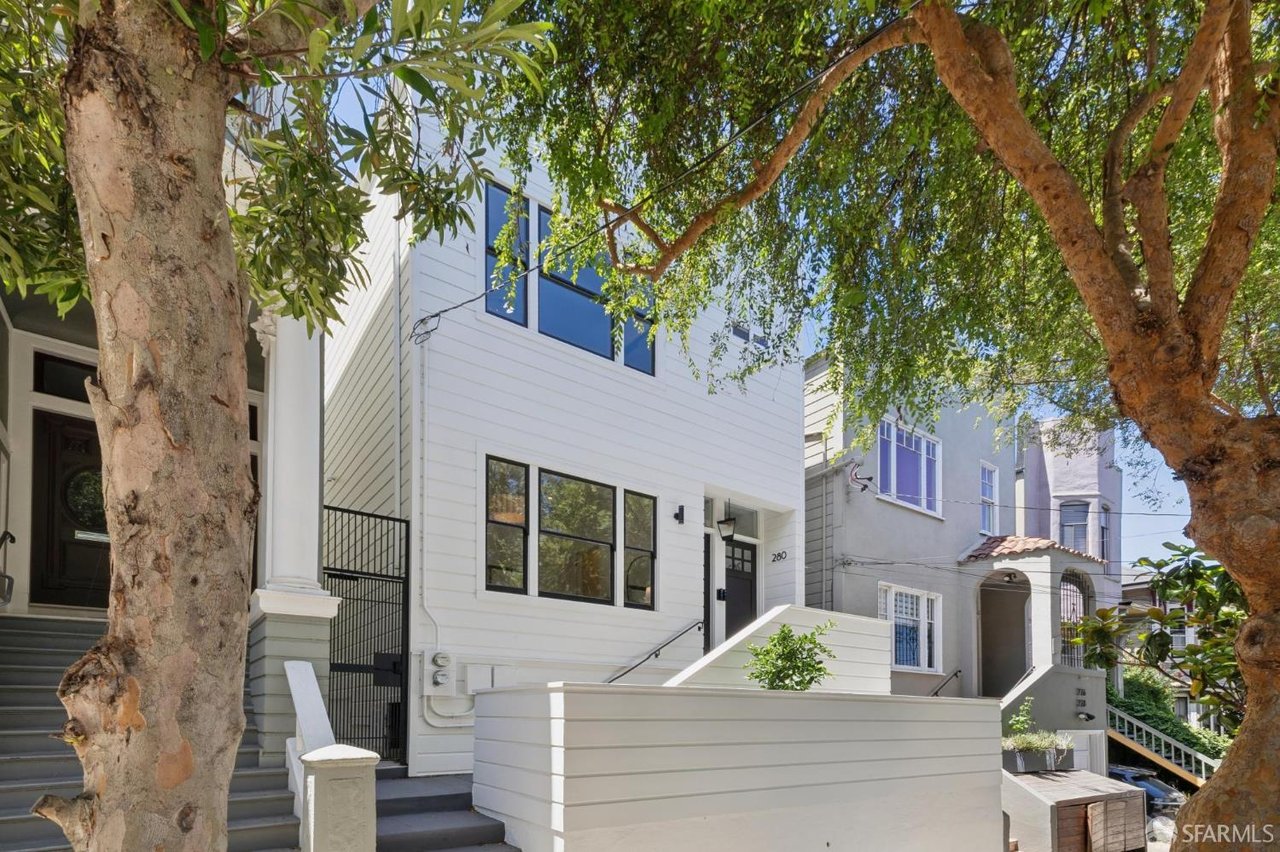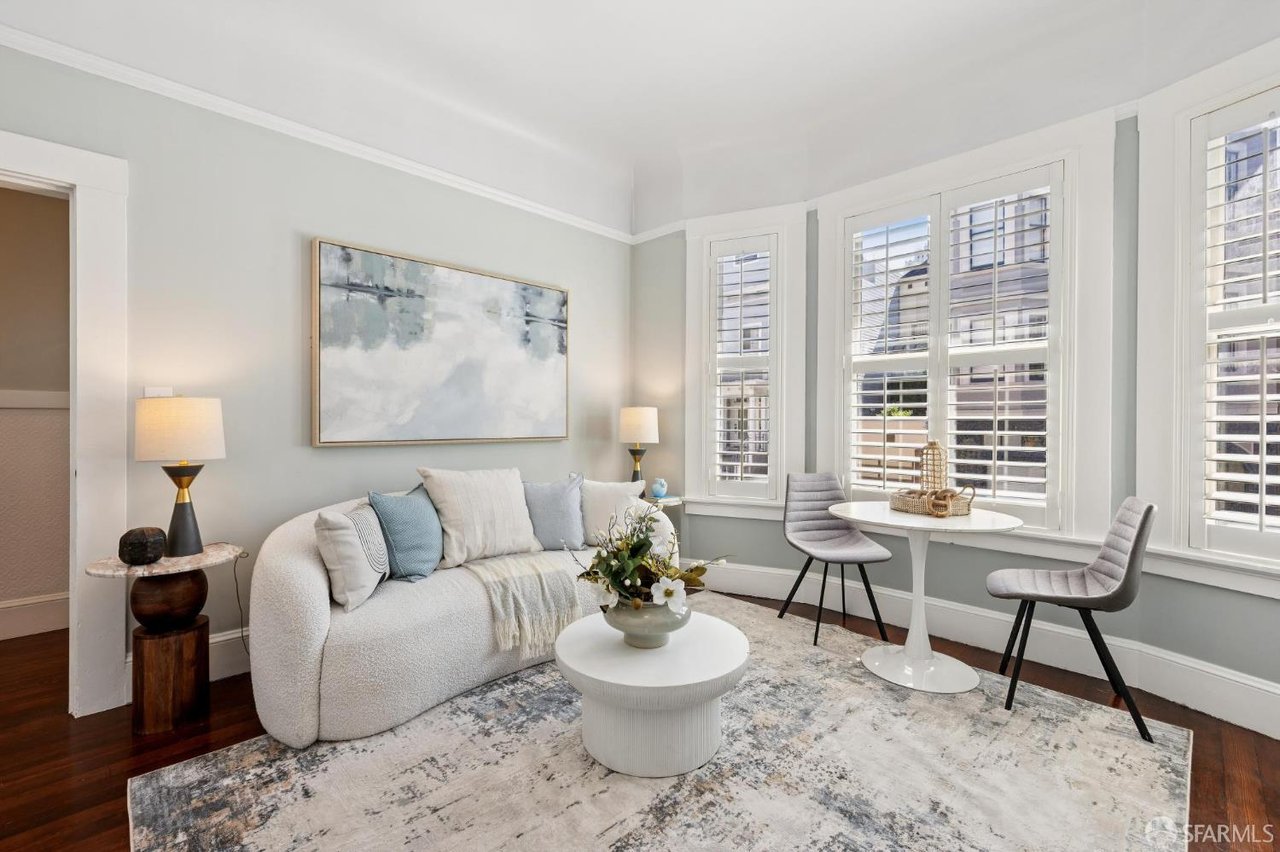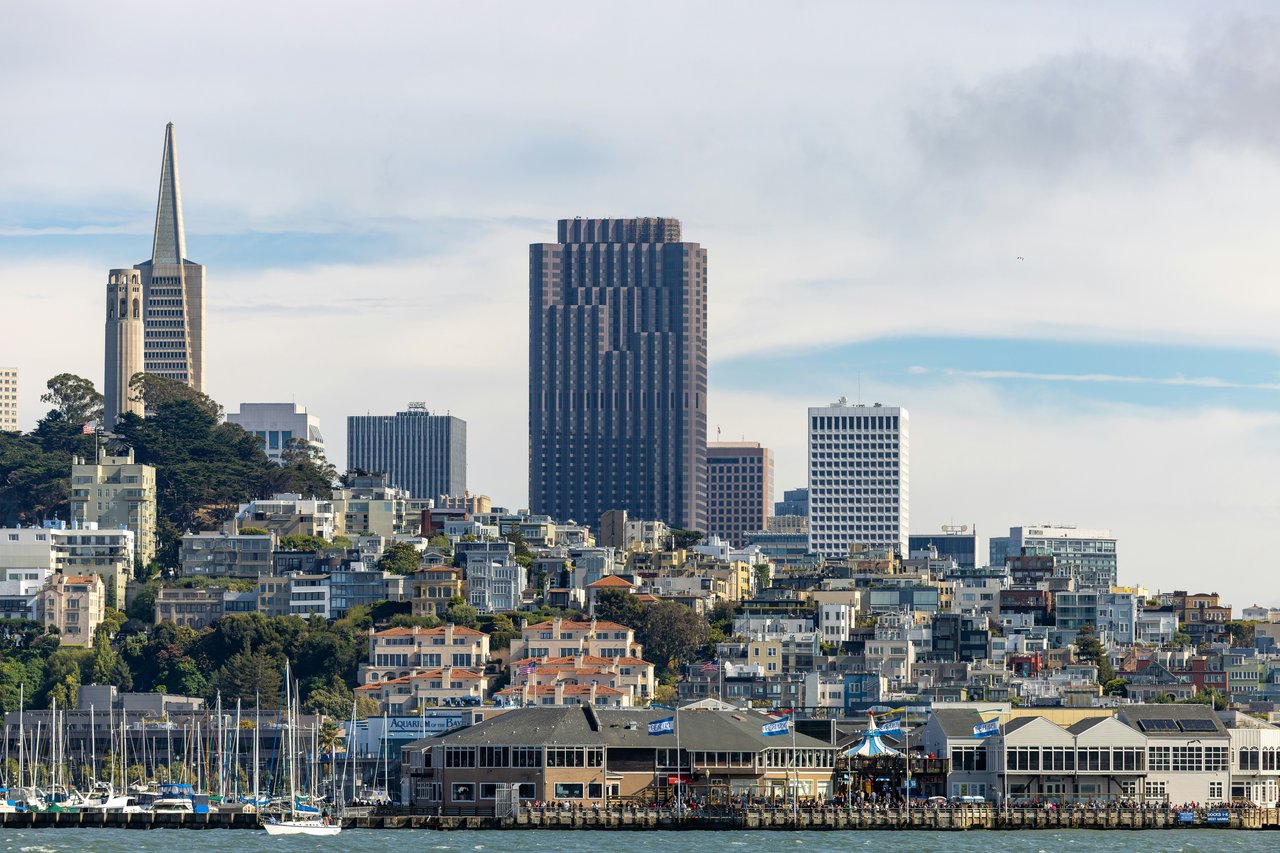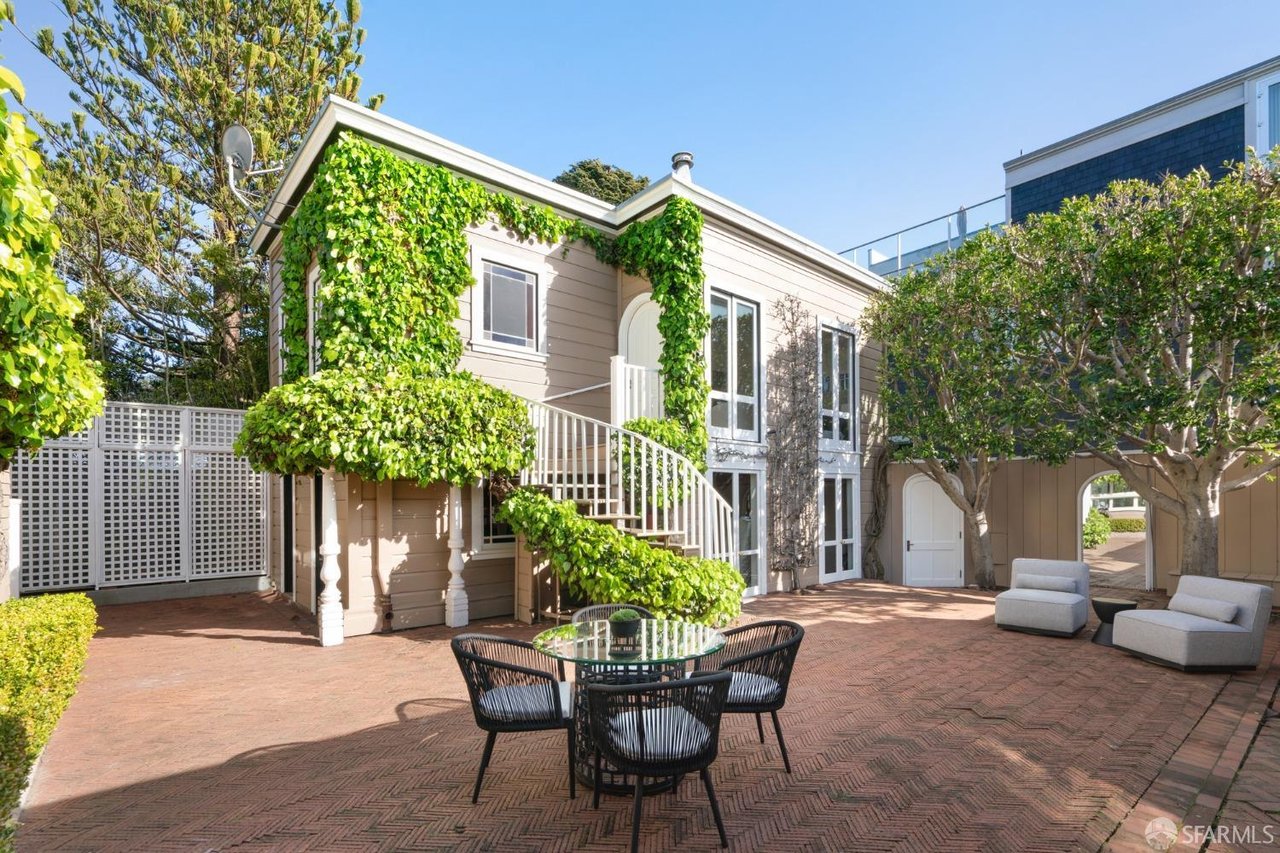
San Francisco residential real estate has shifted meaningfully over the past year, and anyone still working from last year's assumptions is operating with an outdated map. Prices have climbed, inventory has tightened further, and a wave of AI industry wealth, centered on companies like Anthropic and OpenAI, has poured fresh capital into a market that was already short on homes. Whether you are planning to buy, sell, or simply keep an eye on your home's value, understanding where the market actually stands right now will shape every decision you make from here.
The AI Boom Reshaping Demand
No single force has shaped San Francisco residential real estate this year more than the AI industry. Anthropic and OpenAI both call San Francisco home, alongside a dense cluster of smaller AI labs, model infrastructure companies, and startups that have grown up around them, and that concentration has translated directly into housing demand. Engineers, researchers, and early employees with meaningful equity are entering the market at every price point, from starter condos to the city's most expensive single-family homes.
This is not a subtle undercurrent, it shows up in the data. National outlets have covered the connection between AI driven wealth and San Francisco's accelerating prices extensively over the past year, and local agents, myself included, see it directly in the buyer pool for nearly every listing we bring to market. Understanding this dynamic is essential context for anyone trying to make sense of current pricing and competition levels.
What makes this cycle different from previous tech driven booms is how concentrated the wealth creation has been. Rather than spreading across dozens of companies at varying stages, a relatively small number of AI labs, Anthropic and OpenAI chief among them, have attracted an outsized share of both talent and capital. That concentration means the housing impact shows up quickly and visibly, rather than diffusing gradually across the broader economy the way past booms sometimes did.
Why San Francisco Buyers Feel the Squeeze More Than Most
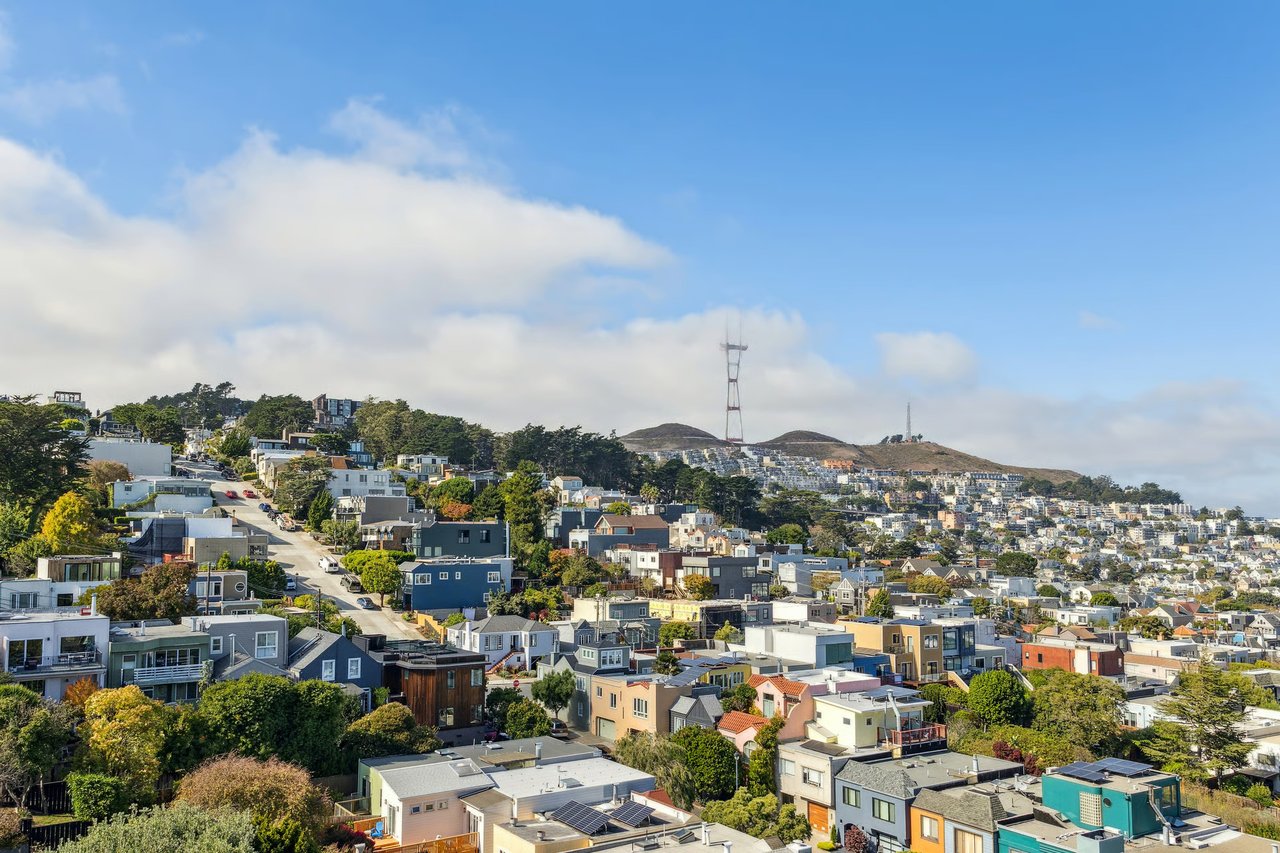
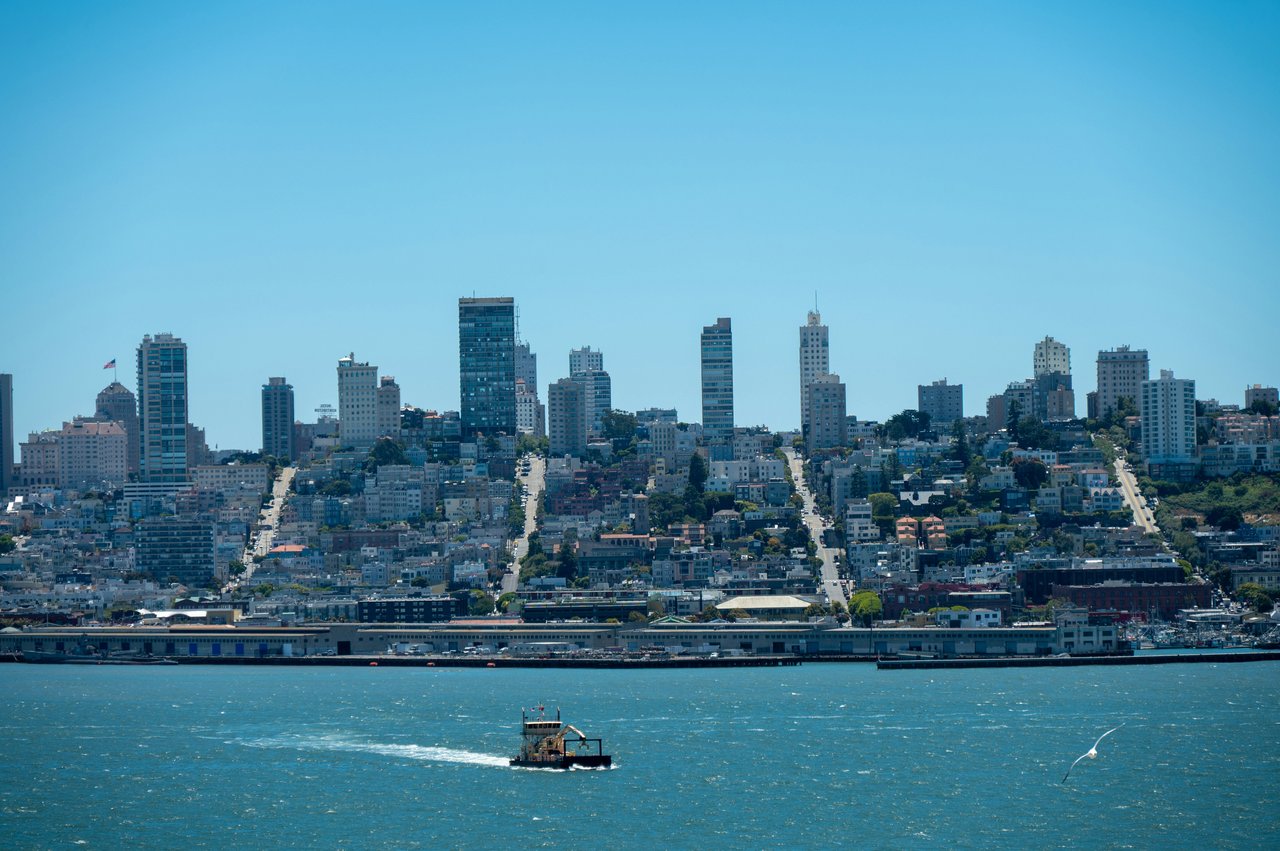
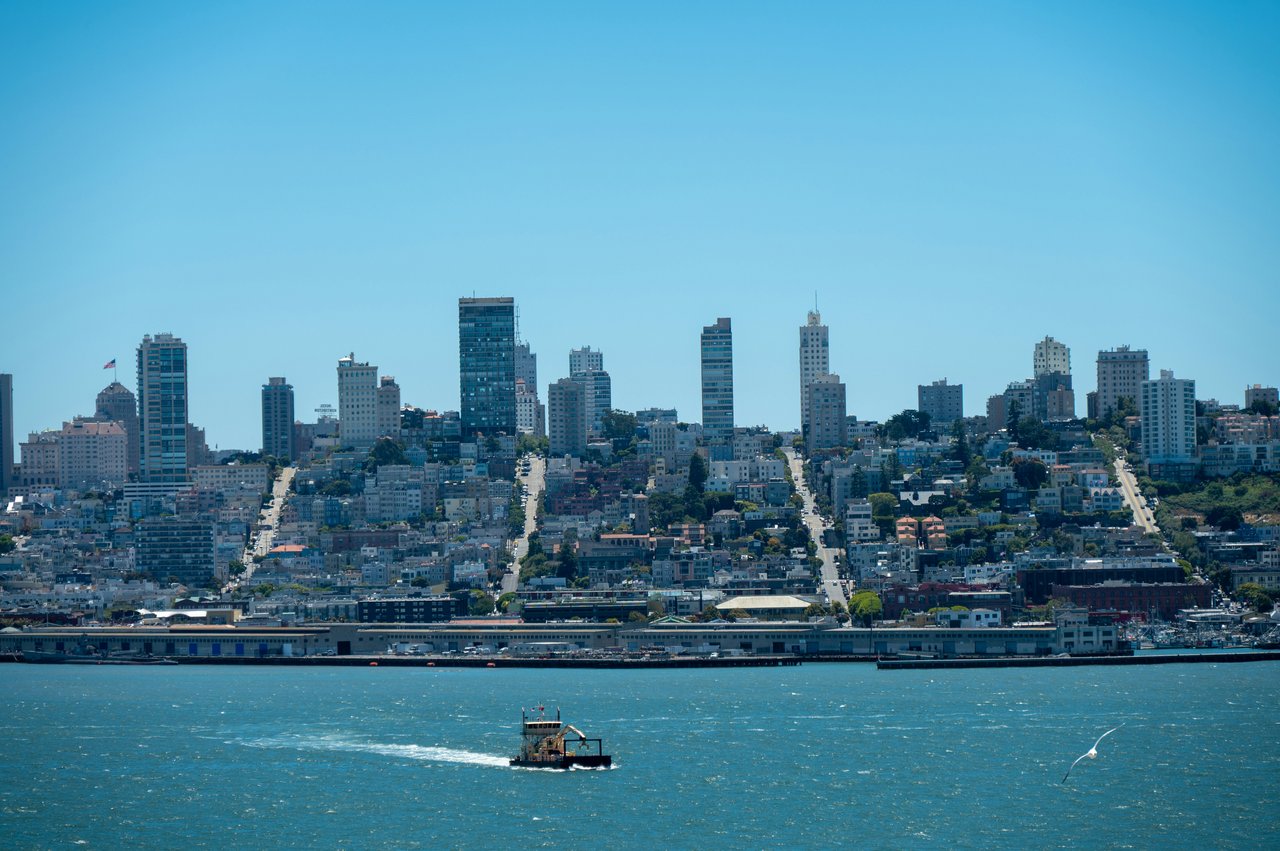
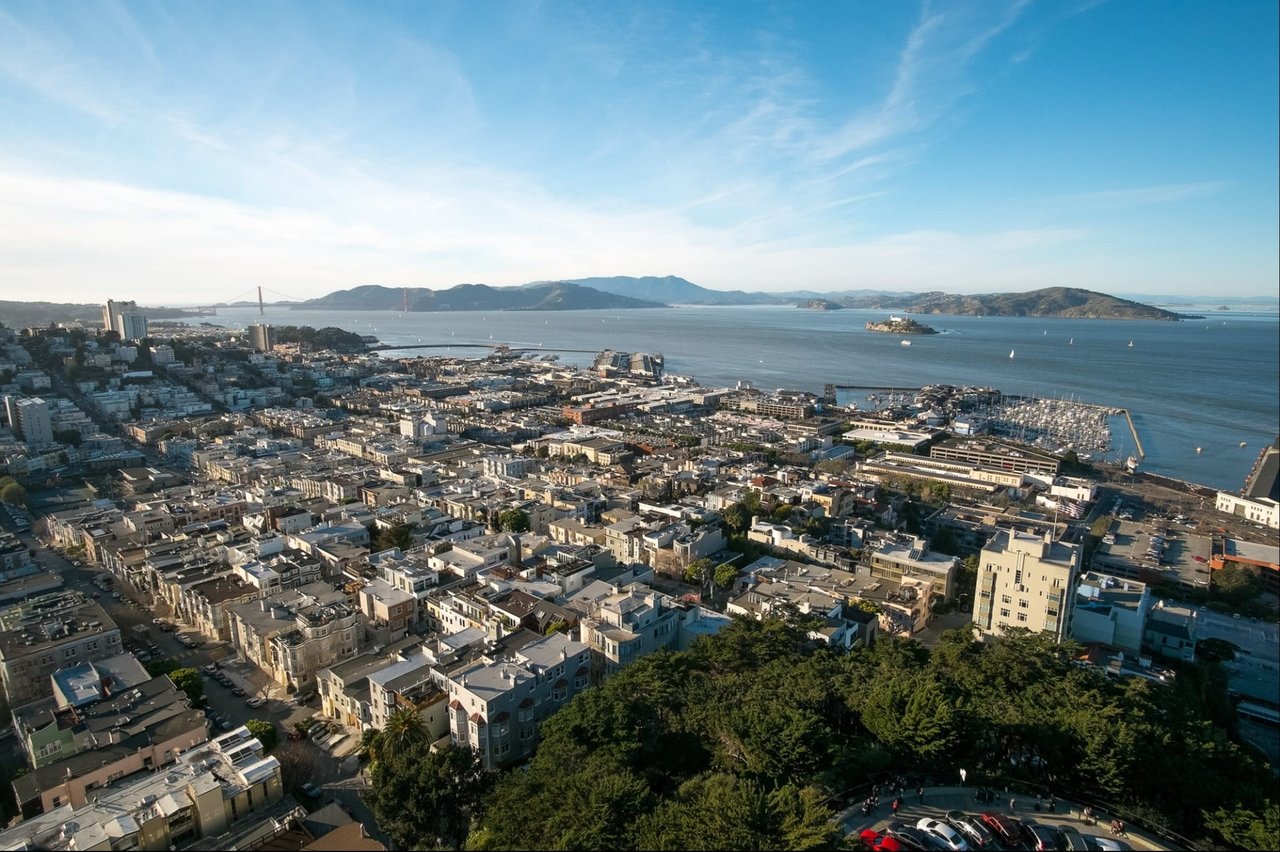
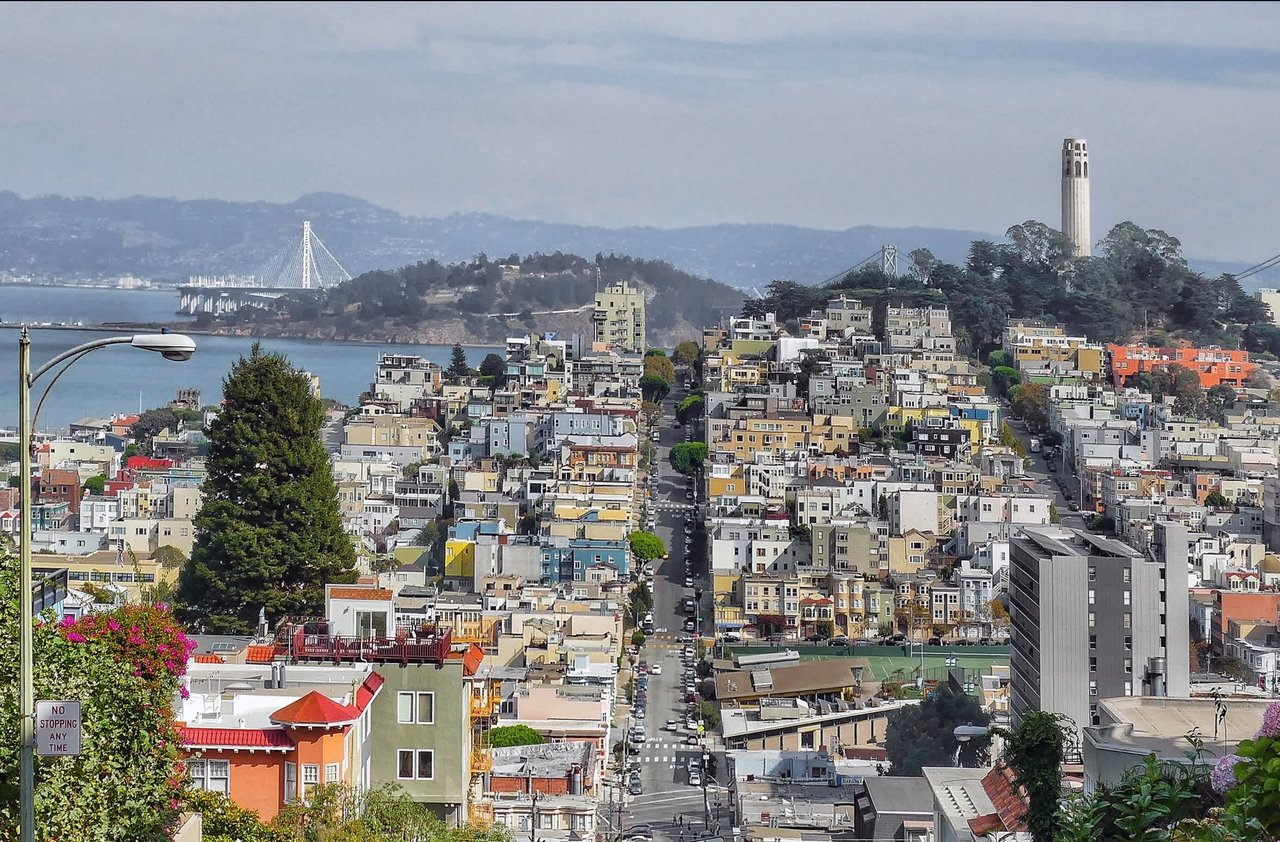
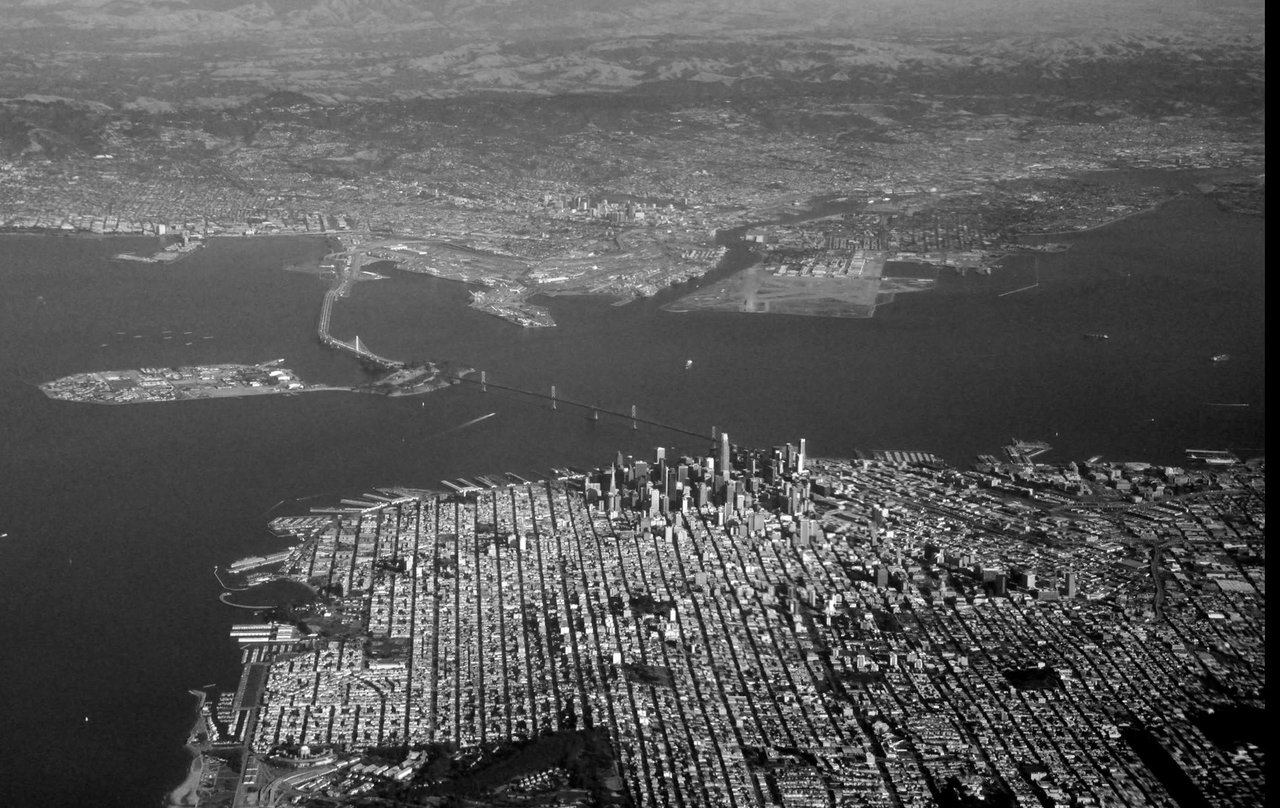
San Francisco's geography is a big part of why buyers here face more competition than in most other cities. The city sits on a narrow peninsula, bordered by water on three sides, with little room left to build new single-family housing. That physical constraint has been true for decades, but it collides with a local economy that keeps generating well-compensated buyers looking to plant roots, particularly as AI-driven wealth continues to concentrate in this specific city rather than spreading evenly across the country.
The result is a structural mismatch between supply and demand that shows no sign of resolving itself in the near term. New construction, where it happens at all, tends to be concentrated in condo buildings rather than the single-family homes many buyers are searching for, which keeps pressure concentrated on an already limited pool of houses, even as AI sector hiring keeps adding new, well-funded buyers to the search.
A Market Shaped by Scarcity and Local Wealth
Understanding San Francisco residential real estate today means understanding two forces working together: a fixed and shrinking supply of housing, and a local economy that continues to generate significant wealth concentrated in this specific city. The AI industry in particular, anchored by companies like Anthropic and OpenAI, has fueled a wave of buyers with the resources to compete aggressively for a limited number of homes, and that dynamic shows no clear signs of easing.
This is different from markets driven primarily by population growth or new construction. San Francisco's constraint is largely physical, a narrow peninsula with little room left for large-scale single-family development, combined with a persistent stream of high-earning buyers, many connected to AI companies, who want to live here. That combination is what continues to push prices upward even as broader national housing trends look considerably softer.
Where Prices Stand Right Now
San Francisco single-family homes have now spent six consecutive months above the two million dollar median mark, a level of sustained strength this market has not seen in years. Even with a modest seasonal pullback recently, prices remain roughly a quarter higher than they were at this time last year. Condos have told a slightly different story for much of the year, but recent data shows them accelerating too, posting meaningful year-over-year gains after a longer stretch of flatter performance.
The takeaway for both buyers and sellers is the same: this is not a market drifting sideways. Values are moving, and moving in a direction that has consistently rewarded sellers and challenged buyers who are not fully prepared, especially those competing directly against the newest wave of AI industry wealth.
Inventory Is Still Tight
Limited inventory remains the defining feature of San Francisco residential real estate. Single-family listings are down more than 40% from a year ago, and condo inventory has fallen by a similar margin. That scarcity is not primarily because sellers have stopped listing; new listings have actually held fairly steady. It is because buyers, including a growing share connected to AI companies, are absorbing available homes faster than new ones can replace them.
For sellers, tight inventory means less competition from other listings and stronger negotiating leverage. For buyers, it means a shrinking pool of options and a market where hesitation is costly, since well-priced homes are not sitting around waiting for a second look.
The Rise of Off-Market Activity
One trend worth watching closely is how much high-end activity is now happening away from the public market entirely. More sellers, particularly at the upper end of the price range, are choosing to sell quietly through private networks rather than public listings, open houses, and signage. Some of this is about discretion; some of it is about testing price with a smaller, more targeted pool of buyers, including AI industry buyers who often prefer privacy, before committing to a public campaign.
For buyers, this means a meaningful share of true opportunity in San Francisco residential real estate is invisible unless you are connected to an agent with an active network of relationships across the city.
What This Means for Sellers
Conditions right now favor sellers about as strongly as they have in recent years. Limited competing inventory, strong buyer demand fueled in part by AI sector wealth, and sale prices well above original asking are combining to create real pricing power for well-prepared listings. That said, pricing power is not unconditional. Homes that are overpriced or poorly presented can still sit and stall, even in a market this tight, so strategic pricing and presentation remain essential rather than optional.
Sellers considering their options should also weigh the choice between a public listing and a more discreet, off-market sale. Public listings maximize exposure and can generate competitive bidding, while off-market sales offer privacy and can sometimes move faster, particularly for higher-end properties where the pool of realistic buyers, including many from the AI industry, is naturally smaller.
What This Means for Buyers
Buyers need to approach this market with speed, financial readiness, and realistic expectations about competition, including competition from buyers backed by AI industry equity and compensation. That does not mean opportunity has disappeared; it means opportunity looks different than it did a few years ago. Buyers who are fully prepared, connected to off-market inventory, and willing to move decisively on the right home are still finding success, even in a market this competitive, particularly when they work with an agent who can help them see beyond the public listings that everyone else is already competing over.
What the Numbers Say
The current data paints a clear and consistent picture across San Francisco residential real estate, one defined by rising prices, shrinking inventory, and a market firmly tilted toward sellers, with AI-driven wealth acting as a persistent tailwind behind the demand side of that equation.
Single family median price reached $2,050,000, up 24.87% year over year
Condo median price reached $1,250,000, up 8.93% year over year
San Francisco homes are closing an average of 26% over original list price for single family and 4% for condos
Combined single-family and condo inventory sits at just over 500 homes citywide
The Lurie Group has sold more than 500 homes citywide, totaling over $1 billion in sales, at a premium averaging 3.2 times the citywide average.
Conclusion
San Francisco residential real estate has entered a phase defined by scarcity, sustained demand, and a new wave of AI-driven wealth, and every signal points toward that dynamic holding through the rest of the year. Sellers are operating from a position of strength, and buyers who want to compete need to move with more preparation and speed than the market required just a couple of years ago. Staying current on these trends is not optional anymore; it is the difference between a smooth transaction and a frustrating one.
None of this is likely to reverse quickly. AI hiring across San Francisco has continued at a steady pace, equity events keep adding new liquidity to the buyer pool, and the underlying housing shortage that predates this boom shows no sign of resolving on its own. Anyone planning a purchase or sale in the next year should build their strategy around these conditions persisting, not fading.
Markets like this reward information. The buyers and sellers who come out ahead are rarely the ones with the most patience; they are the ones with the clearest, most current picture of what is actually happening on the ground, neighborhood by neighborhood, month by month. That kind of clarity is exactly what separates a strategic decision from a reactive one, whether you are pricing a listing or preparing to compete for a home you love, especially in a market where a single well-funded buyer connected to the AI industry can reshape the outcome of an entire offer process.
Work With The Lurie Group
As a third-generation San Franciscan, I have watched this market move through multiple cycles, and the current run of scarcity, demand, and AI-driven wealth is among the most pronounced I have seen. The Lurie Group brings a data-driven, deeply local perspective to every client relationship, backed by a top 1% ranking among San Francisco agents and a track record of sales that consistently outperform the citywide average by 3.3 times.
If you want a clear, current read on San Francisco residential real estate as it applies to your specific situation, reach out. Call us at (415) 696-0288 for a personalized market conversation.
Frequently Asked Questions
Is San Francisco a buyer's or seller's market right now?
San Francisco is firmly in seller's market territory across both single-family homes and condos, with months of supply well below the balanced market benchmark used across California.
How is the AI industry affecting San Francisco real estate?
Companies like Anthropic and OpenAI, along with the wider AI ecosystem based in San Francisco, have added a significant number of well-compensated, equity-rich buyers to the market, contributing to faster sales, higher premiums over asking, and tighter competition citywide.
Are home prices in San Francisco still rising?
Yes. Single-family prices are up nearly 25% year over year, and condo prices are up close to 9% year over year, based on the most recent citywide data, even after accounting for typical seasonal fluctuation.
Why is inventory so low in San Francisco?
New listings have held fairly steady, but buyer demand, including demand tied to AI industry wealth, is absorbing available homes faster than new inventory can replace them, which keeps overall supply near historic lows.
Should I wait for the market to cool before buying or selling?
Every situation is different, and waiting carries its own risks in a market defined by rising prices, shrinking inventory, and a steady influx of AI industry wealth, so it is worth discussing your specific timeline and goals with an agent before deciding.