If you work at Anthropic and you are starting to look for a home in this city, one of the most important decisions you will make has nothing to do with square footage or neighborhood charm. It is choosing the right realtor. Finding the best realtor for Anthropic employees in San Francisco means finding someone who understands both the intensity of this market and the specific financial picture that comes with working at a fast-growing AI company. I have spent my career representing buyers across San Francisco, and this guide walks through exactly what to look for, what questions to ask, and what red flags should send you looking elsewhere.
What to Look for in a Realtor as an Anthropic Employee
The single most important quality to look for is real experience with equity-based income and how lenders evaluate it. Anthropic employees frequently have compensation packages that blend base salary with equity, vesting schedules, and performance bonuses, and not every realtor, or the lenders they work with, understands how to translate that into an accurate picture of your purchasing power. A realtor who has worked with this compensation structure before will already know which lenders handle it well and which ones will undervalue your true financial position, and that difference alone can shift what you qualify for by a meaningful margin.
Communication style matters here too, more than many buyers initially expect. Anthropic employees are often managing demanding schedules alongside a home search, and a realtor who can operate efficiently, summarize key information clearly, and respect your time tends to make the entire process feel far less overwhelming than one who requires constant back and forth to get simple questions answered.
A strong track record in fast-moving, low-inventory conditions matters just as much. San Francisco homes routinely go from listing to accepted offer within one to two weeks, and a realtor who has only worked in slower markets may not have the instincts needed to help you compete effectively here. Ask about recent transactions and how quickly those clients moved from their first showing to a signed contract. A realtor with genuine experience in this specific market will have concrete, recent examples to share rather than vague generalities.
Access to off-market and pre-market inventory is another differentiator worth taking seriously. A meaningful share of San Francisco's best homes never appear on public listing sites at all, moving instead through relationships between agents before they are ever marketed publicly. A well-connected realtor hears about these opportunities early, sometimes weeks before a home is fully prepared for the public market, and that access alone can be the difference between finding the right home and never seeing it at all.
Questions to Ask Before Choosing a Realtor
Before you commit to working with anyone, a short set of direct questions can tell you a great deal about whether a realtor genuinely fits your situation. Start by asking how many tech or AI company clients they have worked with recently. A realtor who can describe several recent transactions with buyers in a similar compensation situation to yours has almost certainly built real fluency in this area, while vague or general answers often signal limited direct experience.
Ask specifically how they handle multiple offer situations. San Francisco listings frequently receive many competing offers at once, and the way a realtor structures your offer, from price to contingencies to how the offer is presented to the seller's agent, has a real impact on whether you win. A realtor who can walk you through their specific approach, rather than offering a generic answer about writing a strong offer, demonstrates the kind of hands-on expertise you actually want on your side.
Finally, ask directly about their experience with off-market sales. This is one of the clearest signals of how deeply connected a realtor actually is across the city. A realtor who can point to multiple recent off-market transactions, rather than describing this as something they occasionally hear about, is far more likely to bring you real opportunities that other buyers never see. It is also worth asking how a realtor typically communicates during an active search. Given how quickly homes move in this market, response time matters enormously. A realtor who takes a day or two to respond to messages during a critical offer window can cost you a home entirely, so it is reasonable to ask directly about their typical availability and how they handle time-sensitive situations, particularly evenings and weekends when many offer deadlines actually fall.
Why Local Market Knowledge Matters More Than Ever
San Francisco's pricing and pace set it apart from nearly every other housing market in the country, and that gap has only grown as more AI companies have expanded their San Francisco headcount. Homes here sell faster, close at higher premiums over asking price, and require buyers to make confident decisions on a much shorter timeline than most other cities demand. A realtor without deep, current local knowledge simply cannot help you navigate this pace effectively, no matter how much general real estate experience they bring to the table.
This is especially true when it comes to pricing strategy. Homes in San Francisco are frequently listed below what sellers actually expect to receive, specifically to attract a wide pool of offers, and buyers who take the listed price at face value often underbid significantly. A realtor with genuine local knowledge understands this pricing convention well enough to guide you toward a realistic, competitive number from the very first conversation about a specific property, rather than leaving you to guess based on the number printed on the listing itself.
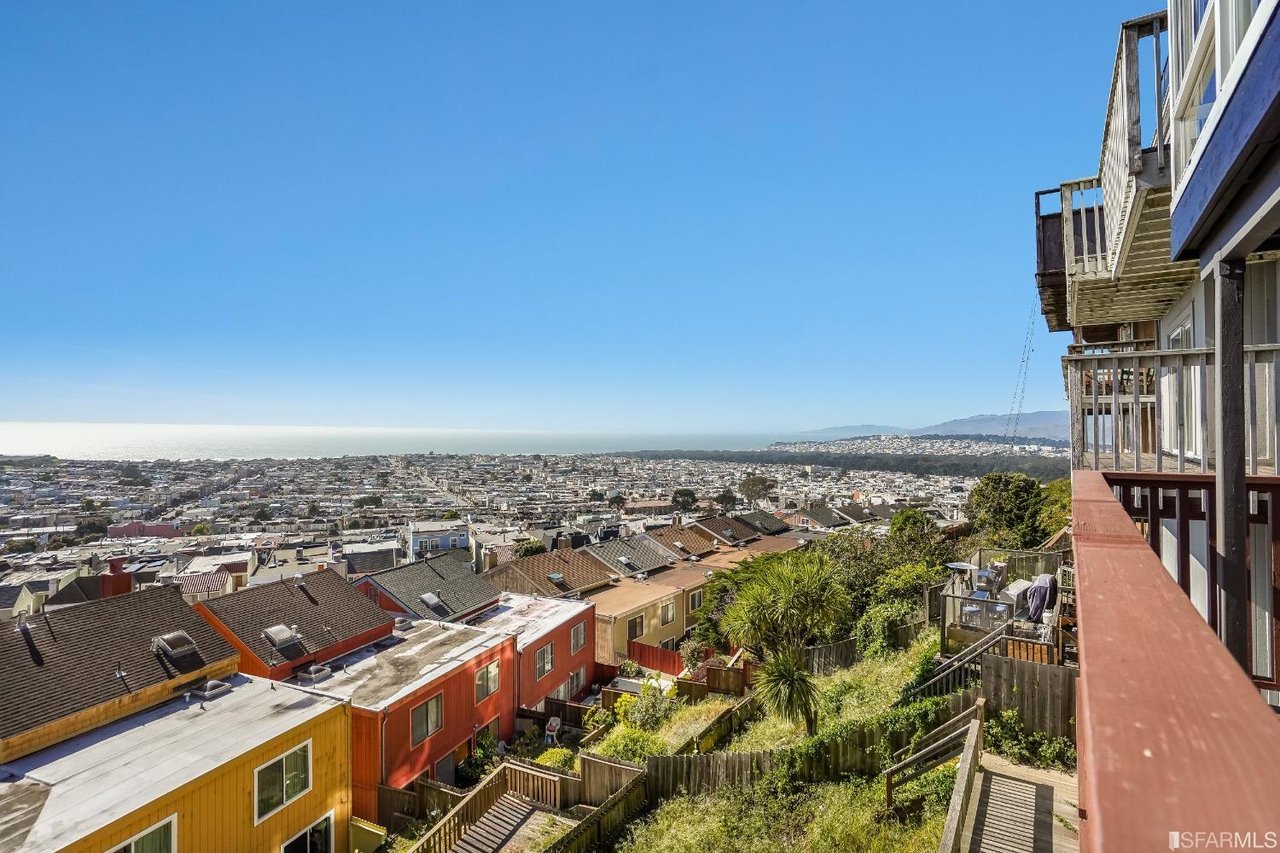
Neighborhood-specific insight matters enormously as well, particularly for Anthropic employees weighing proximity to the office against lifestyle and long-term value. Some buyers prioritize a short commute above everything else, while others are willing to accept a longer commute in exchange for more space or a quieter street. A realtor with genuine, current knowledge of San Francisco's neighborhoods can walk you through these tradeoffs specifically, pointing you toward pockets of the city like Pacific Heights, Presidio Heights, or Noe Valley based on how you actually want to live, rather than offering the same generic recommendations to every client regardless of their situation. This kind of specificity only comes from an agent who is actively working across these neighborhoods on a regular basis, showing homes, tracking closed sales, and staying current on what is actually happening street by street rather than relying on outdated general impressions of the city.
Red Flags to Avoid When Choosing a Realtor
A few warning signs tend to show up consistently among realtors who are not actually well suited to helping Anthropic employees navigate this market. The first is a lack of familiarity with equity compensation. If a realtor seems unsure how to talk about vesting schedules, RSUs, or bonus timing, or if they simply defer the entire conversation to whichever lender you happen to already be using, that is a strong sign they have not worked extensively with this buyer profile before.
The second red flag is no clear track record of competitive, fast-paced transactions. If a realtor cannot point to specific, recent examples of clients who successfully competed and won in a multiple-offer situation, it is reasonable to question how prepared they actually are to help you do the same. This market does not reward general real estate experience alone; it rewards realtors who have specifically operated at this pace, in this exact environment, recently.
A third red flag worth watching for is a realtor who pushes you toward waiving contingencies or stretching your budget as a default strategy rather than a carefully considered choice for a specific property. While there are situations where a more aggressive approach makes sense, a realtor who applies the same high-pressure tactics to every client and every listing is prioritizing a quick close over your actual best interests.
A fourth red flag is a realtor who cannot clearly explain how they source off-market opportunities or who treats the entire concept as a marketing buzzword rather than a real part of their practice. Genuine off-market access comes from years of relationships with other agents, past clients, and property managers across the city, and a realtor who cannot describe how those relationships actually work in practice likely does not have meaningful access to this layer of the market.
What to Get Ready Before You Start Your Search
Even the best realtor cannot move faster than your own preparation allows, so it is worth getting a few things in order before your search begins in earnest. Start with a genuine pre-approval rather than a rough pre-qualification, and make sure your lender has actually reviewed your equity and vesting details rather than working from your base salary alone. This single step often determines how confidently you can move once you find a home you want to pursue.
It also helps to have a clear, honest sense of your true budget, distinct from the maximum amount you might technically qualify for. Anthropic employees sometimes qualify for more home than they are actually comfortable committing to on a monthly basis once other financial goals are factored in, and having this conversation with yourself early prevents difficult second-guessing later in the process.
Finally, spend some time narrowing your neighborhood priorities before your first serious tour. Buyers who keep every neighborhood in San Francisco on the table at once tend to move more slowly and struggle to recognize a genuinely good fit when it appears. Working with your realtor to narrow your focus to two or three neighborhoods that truly match your lifestyle allows you to move with the speed this market consistently requires. It is also worth touring a range of homes in those neighborhoods early, even ones slightly outside your ideal criteria, simply to calibrate your sense of value and pricing before you find the property you actually want to pursue seriously.
What the Numbers Say
Our team ranks in the top 1% of San Francisco real estate agents
We have closed over 500 transactions across the city
Our transactions represent more than 1 billion dollars in career sales
Homes we represent sell at a 3.3x premium over the citywide average
Finding the best realtor for Anthropic employees in San Francisco comes down to a combination of local expertise, genuine speed in a fast-moving market, and real fluency with equity-based compensation. Buyers who take the time to ask the right questions upfront, and who watch for the red flags outlined here, put themselves in a far stronger position from the very first conversation through closing day.
What the Timeline Looks Like Once You Choose the Right Realtor
Once you have chosen a realtor who genuinely fits your situation, the process itself tends to move quickly. Most San Francisco sellers set a formal offer date roughly one to two weeks after a listing goes live, meaning every serious buyer submits their offer at the same time rather than over an extended period. The right realtor will have already helped you prepare your financing, clarify your priorities, and understand realistic pricing in your target neighborhoods well before that offer date ever arrives.
Once an offer is accepted, escrow typically closes within three to four weeks, assuming financing and disclosures proceed smoothly. Anthropic employees who plan their offer timing around their vesting calendar, with guidance from a realtor who understands that calendar, consistently report a smoother, less stressful path to closing than those who scramble to align financing after the fact.
It is also worth discussing your move itself early in the process, particularly if your start date at Anthropic falls before your expected closing date. A good realtor will help you think through this timeline holistically, from your first serious home tour through the day you actually receive your keys, rather than focusing narrowly on the transaction alone. Many Anthropic employees find it helpful to sketch out a rough calendar covering their work start date, their expected offer timeline, and their target closing date all in one place, since seeing these milestones together makes it much easier to spot potential conflicts well before they become a real problem.
Work With a Realtor Who Understands This Market
I have spent my entire career focused on San Francisco real estate, and I have worked closely with Anthropic employees and other AI company professionals as they navigate this exact market. My team at The Lurie Group understands how to evaluate equity-based compensation accurately, how to access off-market opportunities before they reach the public listings, and how to help you compete confidently without unnecessary risk. If you are looking for a realtor who genuinely understands your situation, call us at (415) 696-0288 and let us show you what that experience looks like in practice, from your very first conversation through the day escrow closes.
Frequently Asked Questions
What should I look for in a realtor if I am paid mostly in equity?
Look for a realtor with direct experience working with equity-based compensation and a relationship with lenders who know how to document and underwrite it properly.
How do I find a realtor with experience working with AI company employees?
Ask directly about recent transactions with buyers in a similar compensation situation, and request specific examples rather than general assurances.
What questions should I ask a realtor before hiring them?
Ask how they handle multiple offer situations, how many tech or AI company clients they have represented recently, and what their experience is with off-market sales.
How competitive is the San Francisco market right now?
Homes frequently receive multiple offers and close well above asking price, with many properties going under contract within one to two weeks of listing.
Can a realtor help me find homes before they hit the public market?
Yes, a well-connected realtor often has access to off-market and pre-market listings that never appear on public search sites.