
Ask any recent buyer how their search went, and you will likely hear a version of the same story, they found a home they loved, they offered what felt like a strong number, and they still lost. That is the reality of trying to buy a home in San Francisco right now. Homes are moving in days, not weeks, a new wave of AI wealth is pulling well funded buyers into every price bracket, and buyers who are not fully prepared before they start touring are already behind.
Knowing how to buy a home in San Francisco without losing every round takes more than a healthy budget. It takes a clear understanding of how this market actually works, who you are really competing against, and a plan built around speed, preparation, and the right guidance from the very first showing.
Why San Francisco Buyers Feel the Squeeze More Than Most
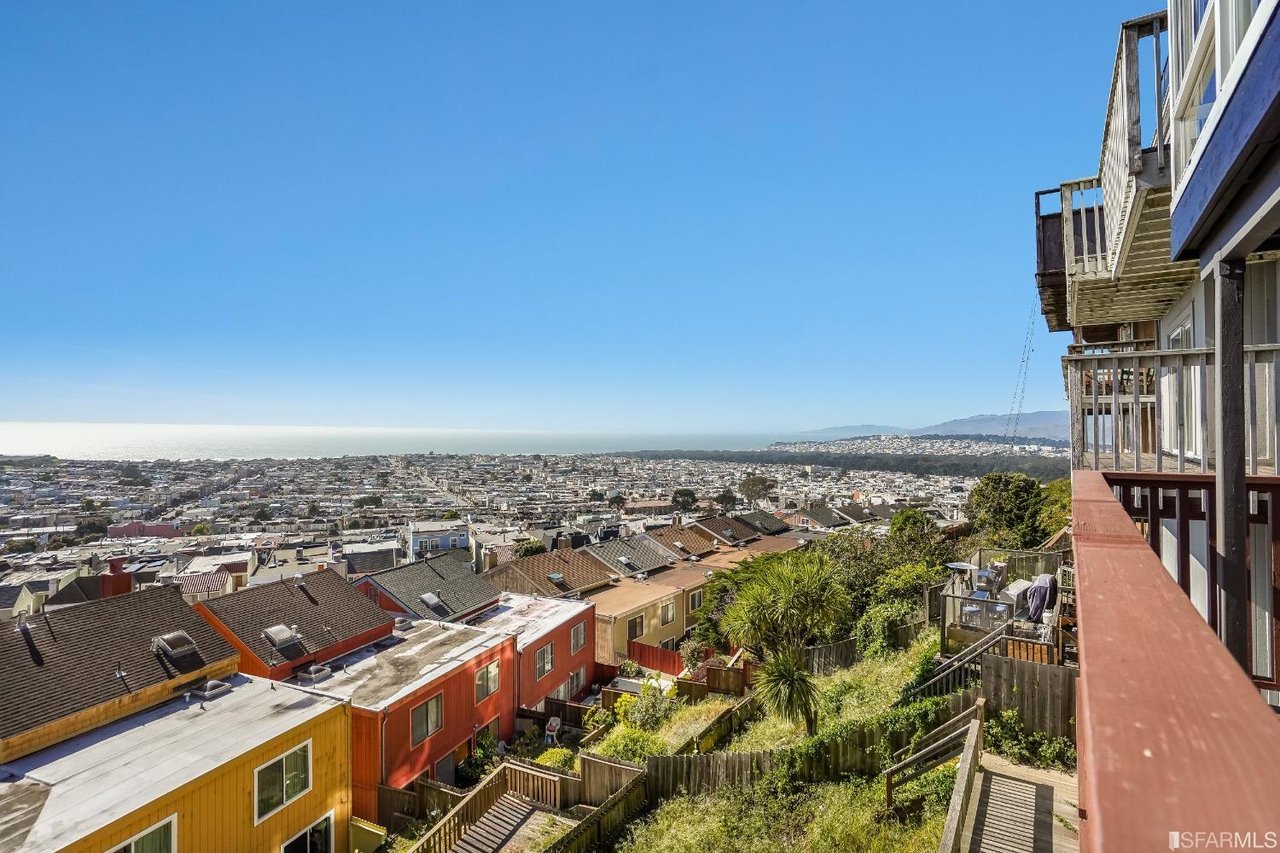
San Francisco's geography is a big part of why buyers here face more competition than in most other cities. The city sits on a narrow peninsula, bordered by water on three sides, with little room left to build new single family housing. That physical constraint has been true for decades, but it now collides with an economy generating wealth faster than almost anywhere else in the country, largely thanks to the AI industry.
San Francisco is home to Anthropic, OpenAI, and a growing list of AI labs and startups that have concentrated an extraordinary amount of talent, and equity, inside city limits. Engineers, researchers, and early employees at these companies are turning strong compensation and vested equity into home purchases, often with financing profiles that look very different from a typical buyer's. The result is a structural mismatch between supply and demand that shows no sign of resolving itself in the near term, layered on top of a housing stock that was already too small for the demand it faces.
How AI Industry Wealth Is Reshaping the Buyer Pool
It is worth naming this directly, because it changes how you should think about your own offer. A meaningful share of today's competitive bids are coming from buyers connected to companies like Anthropic and OpenAI, along with the broader ecosystem of AI startups, model infrastructure companies, and venture firms that have grown up around them here in San Francisco. Some of these buyers are paying in cash. Others are backed by large stock grants that give them room to stretch further on price than a buyer relying purely on salary and savings.
This does not mean a typical buyer cannot compete, it means the bar for a competitive offer has moved. Sellers and their agents have grown accustomed to seeing strong offers, and a buyer showing up with only a standard pre-approval letter and a modest down payment is often competing directly against someone whose financial picture looks considerably different. Understanding that dynamic upfront helps you set realistic expectations before you fall in love with a home.
Understand the Market Before You Start
San Francisco is not behaving like the national housing market, and buyers who compare notes with friends in other cities are often working from the wrong playbook entirely. Nationally, inventory still favors buyers in most metro areas. San Francisco does not. Listings remain near historic lows, sales are absorbing new inventory almost as fast as it appears, and well priced homes are routinely closing well above their asking price, a trend that has only intensified as AI sector hiring and equity events have picked up.
This gap matters because it changes how you should approach every part of the process, from how quickly you tour a new listing to how you structure an offer. Waiting a few extra days to think it over, a habit that works fine in slower markets, can mean losing a home entirely here.
Get Your Finances in Order First
The single biggest mistake I see buyers make is starting their home search with only a basic pre-qualification letter in hand. In a competitive multiple offer situation, sellers and their agents can tell the difference between a buyer who has been fully underwritten and one who has simply filled out an online form. Full underwriting, where a lender has actually verified your income, assets, and credit ahead of time, signals to a seller that your offer is real and unlikely to fall apart during escrow.
If a portion of your funds are tied up in equity or restricted stock, for instance from an AI industry employer, start the conversation with your lender early. Vesting schedules, lockup periods, and how a lender treats equity compensation can all affect how much buying power you actually have on paper, and it is far better to understand those limits before you are competing for a specific home than after.
It also helps to understand your true budget before you fall in love with a home outside of it. Closing costs in San Francisco, along with transfer taxes and other fees, add up quickly, and buyers who only budget for the purchase price often find themselves stretched thin at the closing table.
Working With the Right Agent
In a market this competitive, and increasingly shaped by AI industry wealth, the agent representing you can be the difference between winning and losing. Access to off-market and pocket listings matters enormously when public inventory is this thin, since some of the best opportunities never show up on a public search at all. Local negotiation experience matters just as much, since knowing how a specific listing agent tends to run their offer process, and how they typically evaluate offers from buyers with equity-heavy compensation, can shape how you time and structure your own offer.
Crafting a Winning Offer
Once you find the right home, the offer itself needs to be built to compete. Escalation clauses, which automatically increase your offer up to a set ceiling if a competing offer comes in higher, can help you stay competitive without overpaying blindly. Clean terms matter too, and many sellers will take a slightly lower offer with fewer contingencies over a higher offer that carries more risk of falling apart, a real concern when a competing buyer's funds are tied up in stock that has not yet been sold or converted.
A well-written personal letter, when appropriate and welcomed by the seller, can occasionally help humanize your offer, though it should never replace a strong financial package. Timing matters as well. Understanding when the listing agent plans to review offers, and submitting on their schedule rather than your own, keeps you from either missing the window or tipping your hand too early.
It also helps to think beyond price alone. Sellers weighing several strong offers often pay close attention to the proposed closing timeline, the size of the deposit, and how flexible a buyer is willing to be on possession date. A buyer who can accommodate a seller's preferred timeline sometimes wins over a slightly higher offer that comes with a more rigid schedule, so it is worth asking your agent to find out what actually matters most to the seller before you finalize your terms.
Common Mistakes Buyers Make
Underestimating competition is the most common mistake I see, especially from buyers who have not yet accounted for how much AI industry wealth is now circulating through this market. Buyers often assume a slightly above-asking offer will be enough, only to find out five other offers came in higher, sometimes from a buyer with liquidity most people simply do not have access to. Waiting too long to make a decision is a close second, since hesitating even a day or two on a well-priced home in a hot pocket of the city can mean it is already gone.
Skipping inspections entirely, rather than completing them proactively before submitting an offer, is another common misstep. It is far better to schedule a pre-offer inspection and understand a home's condition upfront than to waive that protection blindly just to appear more competitive.
Another mistake worth naming is focusing only on the public market. Buyers who limit themselves strictly to what shows up in an online search are competing for a shrinking pool of listings against everyone else doing exactly the same thing, including the AI sector buyers who often move through private channels first. Expanding your search to include off-market and pocket listings widens your options and can reduce the amount of direct competition you face on any single home.
How Financing Shapes Your Competitiveness
Not every buyer is competing with cash, and that is fine, but how you structure financing still matters enormously. Sellers weighing multiple offers pay close attention to loan type, down payment size, and appraisal contingencies, since these details signal how likely a deal is to actually close without complications. A larger down payment, even without an all-cash offer, can meaningfully strengthen your position, particularly against a competing buyer whose offer looks strong on paper but depends on liquidating equity.
It also helps to have a direct relationship with your lender rather than working through a call center. When a listing agent has a question about your financing during a tight offer window, a lender who can respond quickly and confidently adds real credibility to your offer, sometimes enough to tip a close decision in your favor.
What Happens After Your Offer Is Accepted
Winning the offer is a milestone, not the finish line. Once your offer is accepted, San Francisco escrow timelines typically move quickly, and buyers who fall behind on inspections, loan documentation, or disclosure review can jeopardize a deal they worked hard to win. Staying organized and responsive during this window matters just as much as the preparation that came before it.
This is another area where the right agent earns their value, coordinating inspectors, keeping your lender on schedule, and flagging anything unusual in the disclosures before it becomes a problem. A smooth escrow is rarely accidental; it is the result of careful management from the moment your offer is accepted through the day you get your keys.
Buyers should also expect a fairly compressed timeline compared to markets elsewhere. Many San Francisco transactions close within three to four weeks of an accepted offer, which leaves little room for delays on inspections, appraisal, or loan underwriting. Building in a buffer wherever possible, and communicating early with your lender about any potential complications, goes a long way toward keeping the deal on track.
What the Numbers Say
The data confirms exactly what buyers are experiencing on the ground this year: a market where speed and preparation are not optional extras; they are the baseline expectation for anyone hoping to actually close on a home. National coverage has connected this year's price acceleration directly to AI-driven wealth flowing through San Francisco, and the underlying numbers back that up.
Single-family homes across San Francisco are averaging just 13 days on market
Condos have tightened to an average of 20 days on market, down sharply from 43 days a year ago
San Francisco homes are closing an average of 26% over original list price
Citywide single-family inventory sits at only 154 homes, down 42.11% year over year
San Francisco single-family homes carry just 0.8 months of supply, deep in seller's market territory
Conclusion
Learning how to buy a home in San Francisco comes down to three things working together: financial preparation, speed of decision-making, and access to the right guidance and inventory. Buyers who show up ready, with full underwriting, realistic expectations about a market shaped by AI industry wealth, and a plan for how to structure a competitive offer, are the ones who consistently win in this market. The rest end up watching from the sidelines.
None of this means the process has to feel overwhelming. Once you understand the rhythm of this market, how quickly homes move, what sellers actually value in an offer, and where to look beyond the public listings, buying a home here becomes far more manageable, even in a market this competitive. The buyers who struggle most are rarely the ones with the smallest budgets; they are the ones who never adjusted their expectations to match how San Francisco actually works.
Work With The Lurie Group
The Lurie Group has guided buyers through some of the most competitive offer situations San Francisco has seen, including offers going up against AI industry wealth at every price point, and our track record speaks for itself: over $1 billion in career sales and a consistent top 1% ranking among San Francisco agents. We also maintain access to pocket listings that never reach the public market, which can be the deciding factor for buyers trying to get ahead of the competition.
If you are preparing to buy a home in San Francisco, connect with us before you start touring. Call (415) 696-0288 and let us build a strategy around your search, from your first showing through closing day.
Frequently Asked Questions
How much over asking should I expect to offer in San Francisco?
It depends heavily on the neighborhood and property type, but San Francisco homes are currently closing an average of 26% over original list price citywide, so buyers should budget accordingly and build that expectation into their financing plans from the start.
Is AI industry wealth really driving San Francisco home prices?
Yes. San Francisco is home to Anthropic, OpenAI, and a wide network of AI companies, and buyers connected to that industry, through salary, equity, or both, have become a meaningful part of the competitive pool in this market.
Do I need to waive contingencies to compete in San Francisco?
Not always, but in the most competitive situations sellers often favor clean offers with fewer contingencies, so it is worth discussing which contingencies matter most to you with your agent before writing an offer, rather than waiving them reflexively.
How fast do homes sell in San Francisco?
Single family homes are currently averaging about 13 days on market citywide, and condos are averaging around 20 days, both far faster than the pace buyers see in most other parts of the country, which is exactly why preparation matters so much here.
What is the first step I should take before searching for a home in San Francisco?
Get fully underwritten by a lender rather than relying on a basic pre-qualification letter, since that level of preparation is what allows you to move quickly and compete seriously once you find the right home, sometimes within days of it hitting the market.