Anthropic's growth in San Francisco has brought a wave of new residents into the city, and many of them are buying a home in San Francisco for the first time while discovering just how different this market is from anywhere else they have lived. Whether you relocated from Seattle, Boston, London, or across the country to join the team, the pace, the competition, and the pricing here can catch even the most financially sophisticated buyer off guard. I have spent my career working exclusively in San Francisco real estate, and the patterns I see among tech employees buying their first home in this city are remarkably consistent. This guide walks through what actually matters before you start touring properties.
Why the San Francisco Market Moves Differently for Tech Buyers
San Francisco does not behave like a typical housing market, and it certainly does not behave like the markets many Anthropic employees are coming from. This is a city where inventory is scarce by design, geography limits new construction, and demand from well-compensated buyers keeps climbing year after year. When you combine that scarcity with a hiring boom at companies like Anthropic, you get a market that rewards speed and punishes hesitation in equal measure.
Homes here are selling in under two weeks on average, and that number continues to compress during the busier spring and summer months. Buyers accustomed to thirty- or sixty day timelines from other cities often lose out on their first few offers simply because they did not realize how quickly a well-priced home in a desirable neighborhood would go under contract. By the time a home has been listed for a week, serious offers are usually already in hand, and by day ten the seller has often already accepted one of them.
Bidding also works differently here. It is common for homes to close well above the original asking price, sometimes by a significant margin, because sellers and agents often price homes attractively to generate multiple offers rather than pricing at what the seller ultimately expects to receive. A buyer who offers exactly the list price in a competitive neighborhood is often not even in contention. Understanding this dynamic before you start touring homes saves you from wasted time, repeated disappointment, and the frustration of watching the same pattern play out offer after offer.
Equity compensation adds another layer of complexity that is specific to buyers coming from companies like Anthropic. Employees frequently have a meaningful portion of their total compensation tied up in equity, vesting schedules, and signing bonuses rather than base salary alone. Traditional mortgage underwriting was not built with this compensation structure in mind, and not every lender knows how to evaluate it properly. Some lenders will discount unvested equity heavily or ignore it altogether, which can dramatically understate your true purchasing power on paper. Working with a lender who has real experience underwriting tech compensation, alongside a real estate team that knows how to present that income clearly to sellers and their agents, changes both what you qualify for and how competitive your offers can be perceived to be.
Neighborhoods Anthropic Employees Are Gravitating Toward
Anthropic's presence in San Francisco has shaped where a lot of employees are choosing to put down roots, and the neighborhoods that come up most often in my conversations with tech buyers tend to balance commute, lifestyle, and long-term value.
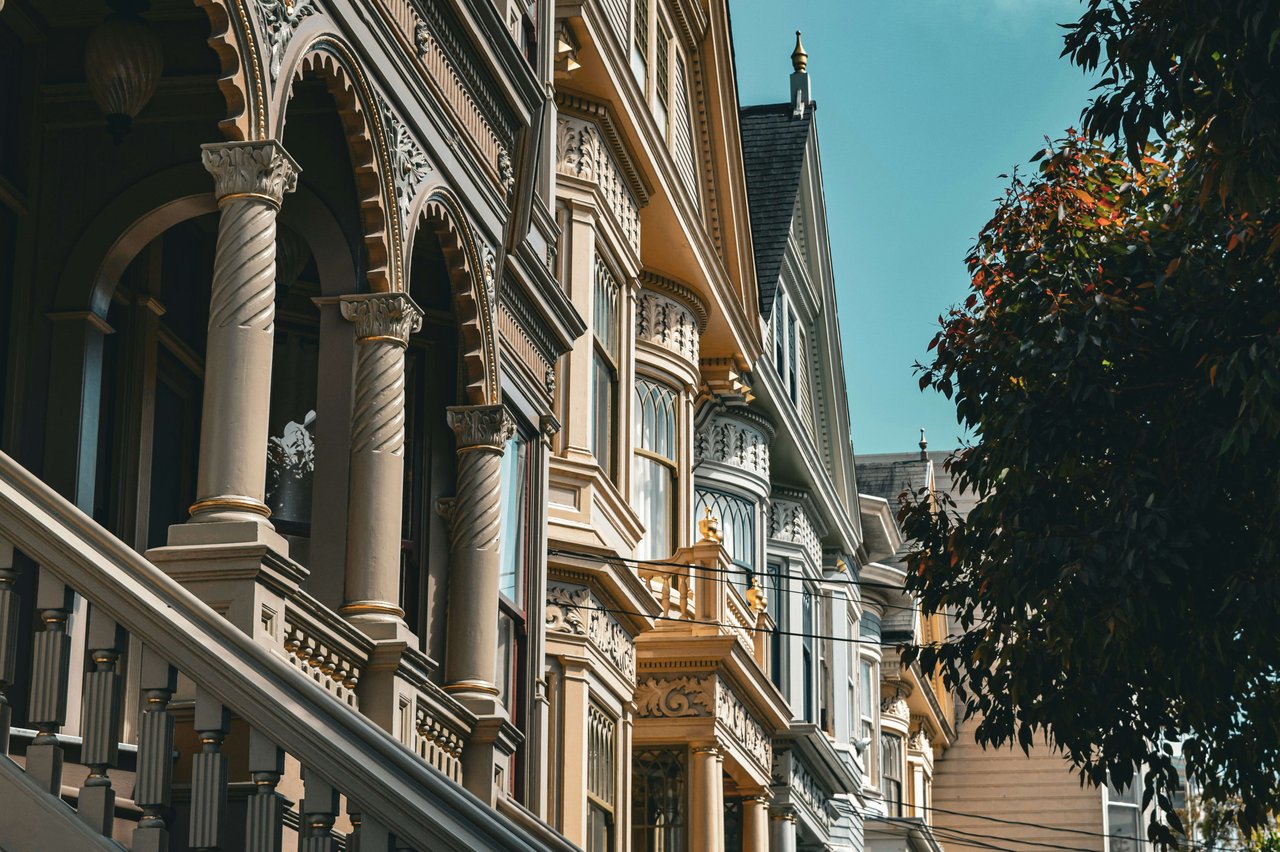
Some buyers prioritize walkability and a shorter commute above everything else, gravitating toward central neighborhoods where they can skip a car entirely and walk or bike to the office most days. Others are willing to trade a slightly longer commute for more space, a quieter street, or better access to parks and family amenities, particularly if they are relocating with a partner or planning to start a family within the next few years. Neighborhoods like Pacific Heights and Presidio Heights continue to attract buyers who want a classic San Francisco feel with strong long-term appreciation, while areas closer to Noe Valley draw buyers who want a slightly more residential, community-oriented pace without giving up easy access to the rest of the city. I have also seen a growing number of Anthropic employees look toward Cow Hollow and Sea Cliff for their combination of walkable retail, proximity to the water, and housing stock that has historically held its value well through market cycles.
There is no single right answer here. The best neighborhood for you depends on your commute tolerance, your budget, and what kind of home you actually want to live in day to day. Spending time exploring different pockets of the city before you commit to a search radius will save you from narrowing your options too early. Our team spends a lot of time walking clients through the full range of San Francisco neighborhoods so they understand the tradeoffs before they fall in love with a specific street, and we can point you toward the pockets of the city that best match how you actually want to live rather than simply where you assume you should look. For relocating employees in particular, it also helps to spend a weekend simply walking a shortlist of neighborhoods on foot, at different times of day, before narrowing your search. A neighborhood that feels perfect on a Saturday afternoon can feel very different on a weekday morning commute, and that kind of firsthand exposure tells you far more than any listing description ever will.
What to Get in Order Before You Start Looking
The buyers who move fastest and win the most competitive offers are almost always the ones who did their preparation before they ever stepped into an open house. In a market where homes sell in days, preparation is not optional; it is the entire game.
Start with a real pre-approval, not a pre-qualification. A pre-qualification is a quick estimate based on information you report yourself, while a pre-approval involves a lender actually verifying your income, assets, and credit in detail. If a meaningful portion of your compensation comes from equity or RSUs, make sure your lender has reviewed your vesting schedule and knows how to document it properly for underwriting purposes. This is one of the most common places where Anthropic employees run into friction during their home search, and it is entirely avoidable with the right lender relationship established from the very start of your process.
Next, take the time to understand how off-market and pre-market listings work in this city. A significant share of San Francisco's most desirable inventory never appears on the public listing sites at all, and buyers who only rely on portals like Zillow or Redfin are seeing a fraction of what is actually available at any given moment. Working with an agent who has relationships across the city and real visibility into pocket listings gives you access to homes your competition never even sees, which can be the difference between competing against fifteen other offers or none at all.
Finally, get comfortable with the idea that when the right home appears, you need to be ready to move within days, not weeks. That means having your financing lined up in advance, your down payment funds accessible and properly sourced, and a clear sense of your top three or four priorities so you can make a confident decision quickly when the moment comes. Buyers who try to deliberate for two weeks on a home that genuinely fits them typically lose it to someone else who was simply ready to act sooner.
It also helps enormously to have already walked a handful of comparable homes before your ideal property comes on the market. Anthropic employees relocating on a tight timeline sometimes skip this step because they feel pressed for time, but a few weekends spent touring homes in your target neighborhoods will sharpen your sense of value and pricing far more than any amount of online research alone, and it will make you far more decisive once your ideal home actually appears on the market.
Common First-Time SF Buyer Mistakes to Avoid
I see a handful of mistakes repeat themselves among first-time buyers in San Francisco, and nearly all of them are avoidable with the right guidance early in the process.
The most common mistake is underestimating just how competitive the market actually is. Buyers who have purchased homes in other cities often assume their experience translates directly, and it rarely does. San Francisco's combination of limited inventory and high-earning buyers creates a level of competition that surprises even seasoned homeowners who thought they had seen it all elsewhere.
Another mistake is waiving contingencies without fully understanding the risk involved. In an effort to compete, some buyers skip inspections or waive financing contingencies entirely, and while this can occasionally be the right strategy in a specific situation, it should never be a default approach applied to every offer. A knowledgeable agent can help you structure a genuinely competitive offer that still protects you appropriately, rather than exposing you to unnecessary risk just to win a single bidding war.
The third mistake is working with an agent, or no agent at all, who does not understand how tech compensation and relocation timelines actually work in practice. Buying a home in San Francisco while managing a demanding role at a fast-growing AI company requires a real estate partner who can move efficiently, communicate clearly on a compressed timeline, and structure financing conversations around your actual income picture rather than a generic underwriting checklist that does not reflect how you are actually paid.
A final mistake worth naming is searching too broadly for too long. Buyers relocating from other markets sometimes try to keep every neighborhood on the table at once, which slows down the entire search and makes it harder to recognize a great home when it appears. Narrowing your focus to two or three neighborhoods that genuinely fit your lifestyle allows you to move with the speed this market requires.
I would also add that many first-time buyers underestimate closing costs and ongoing ownership expenses in San Francisco, from transfer taxes to homeowners association dues on condos to the cost of any near-term repairs. Building a realistic total cost picture before you start touring homes, rather than after you have already fallen for a specific property, keeps your search grounded in what you can comfortably afford rather than what you can technically qualify for on paper.
What the Timeline Actually Looks Like From Offer to Move In
Once you understand the pace of the market, it helps to know exactly what the process looks like from the moment you find a home you want to write an offer on. In San Francisco, sellers frequently set an offer date roughly one to two weeks after a listing goes live, which means every serious buyer's offer lands on the table at the same time rather than trickling in over weeks. That compressed offer window is exactly why your financing, your down payment documentation, and your decision-making all need to be settled before that window opens, not during it.
Once an offer is accepted, escrow in San Francisco typically closes within roughly three to four weeks, assuming financing and disclosures move smoothly. During that window, you will complete your inspections, review the seller's disclosure package closely, and finalize your loan. Anthropic employees who plan their offer strategy around their vesting calendar and any upcoming liquidity events tend to have the smoothest closings, since it removes last-minute scrambling to fund a down payment or cover closing costs.
It is also worth planning your move itself around this timeline. Many relocating employees underestimate how quickly they need to line up movers, temporary housing if needed, and any renovation work once they take possession. Building a rough calendar from your first offer through your expected move-in date, even before you have found the specific home, keeps the whole process from feeling rushed once things start moving.
What the Numbers Say
Our team ranks in the top 1% of San Francisco real estate agents
We have closed over 500 transactions across the city
Our transactions represent more than 1 billion dollars in career sales
Homes we represent sell at a 3.3x premium over the citywide average
Buying a home in San Francisco as an Anthropic employee is entirely achievable, but it takes more preparation, speed, and local expertise than most other markets require. The buyers who do best here are the ones who understand the pace of the market, get their financing structured correctly around their real compensation, and work with a team that knows how to move quickly the moment the right property appears.
Work With a Team That Knows This Market
I have spent my entire career representing buyers and sellers across San Francisco, and I have watched the city's tech workforce, including a growing number of Anthropic employees, navigate this market successfully with the right guidance behind them. My team at The Lurie Group understands how to structure financing conversations around equity-heavy compensation, how to surface off-market opportunities before they ever reach the public listings, and how to move at the pace this market demands. If you are relocating to San Francisco or beginning your search, call us at (415) 696-0288 and let us build a strategy around your specific situation, your timeline, and the neighborhoods that actually make sense for the way you want to live in this city.
Frequently Asked Questions
Do I need a bigger down payment if my income comes mostly from equity or RSUs?
Not necessarily. What matters more is working with a lender who knows how to document and underwrite equity compensation properly so your full purchasing power is reflected accurately in your pre-approval.
What San Francisco neighborhoods are close to major AI company offices?
Several neighborhoods offer a short commute to San Francisco's tech corridor, and the right choice depends on your budget and lifestyle preferences. A local San Francisco real estate agent can walk you through the trade-offs for your specific priorities and commute tolerance.
How fast do homes actually sell in San Francisco right now?
Many homes are going under contract in under two weeks, and desirable listings in competitive neighborhoods can receive serious offers within the first few days of hitting the market.
Should I waive contingencies to compete with other offers?
Not automatically. There are ways to make a competitive offer while still protecting yourself, and the right approach depends on the specific property, the level of competition, and the market conditions at the time.
How do off-market listings work in San Francisco?
A meaningful share of homes in San Francisco sell before they are ever publicly listed. Working with an agent who has strong relationships across the city gives you access to opportunities other buyers never even see.