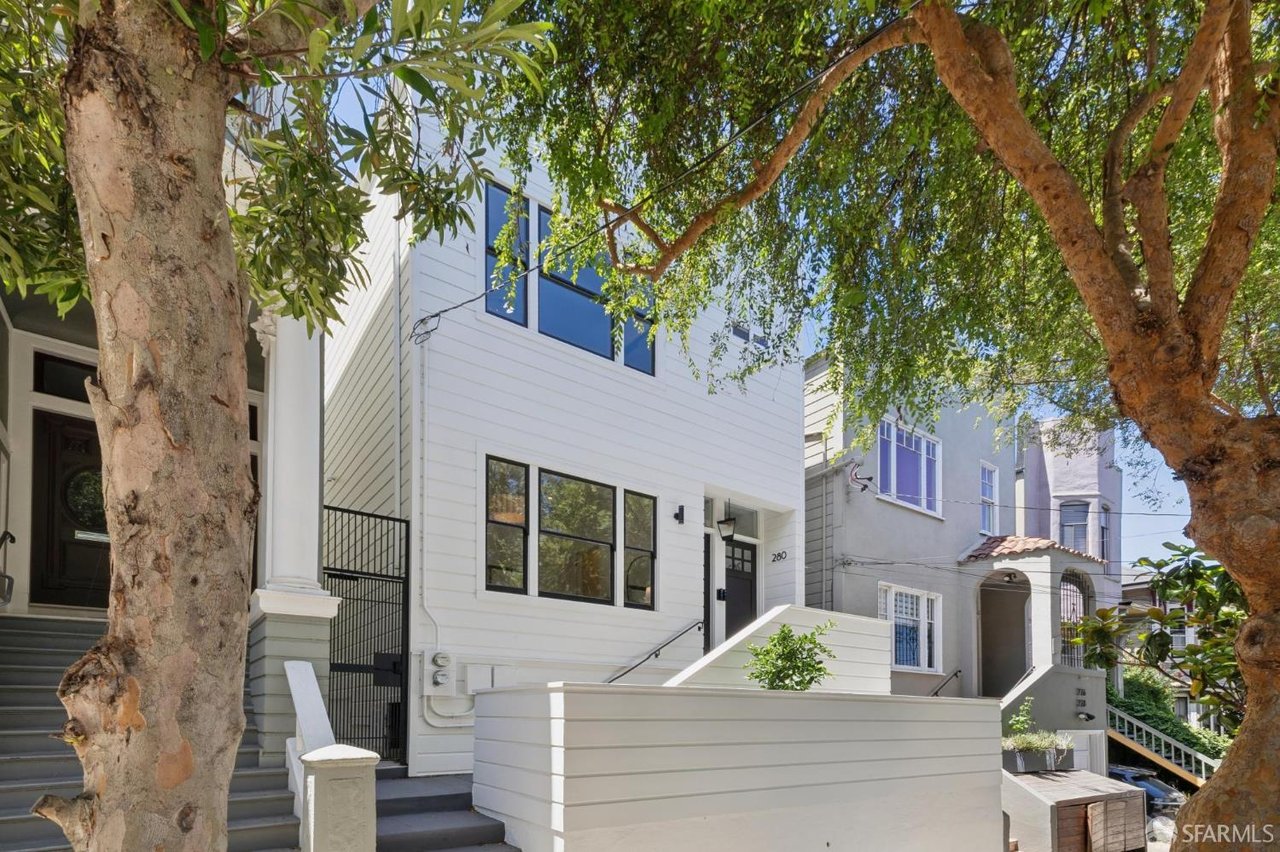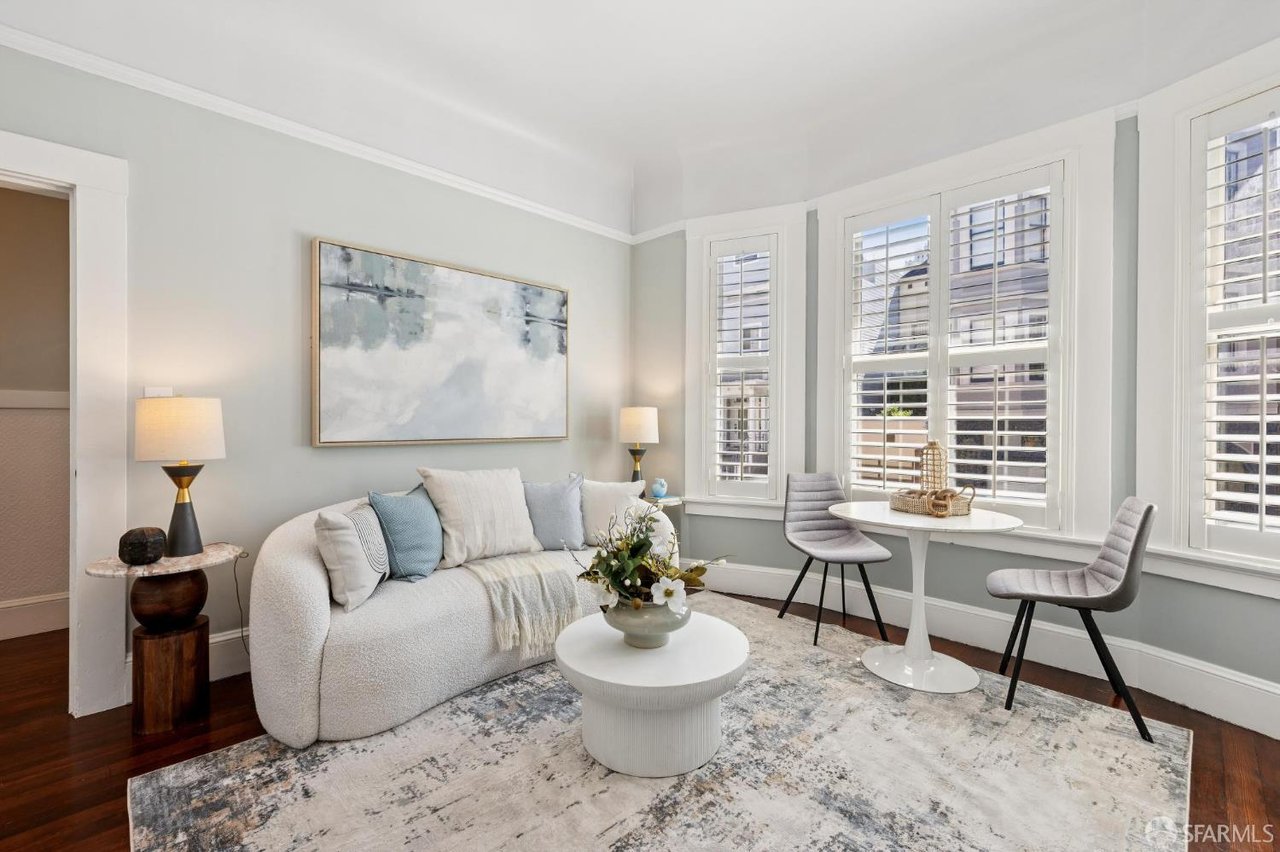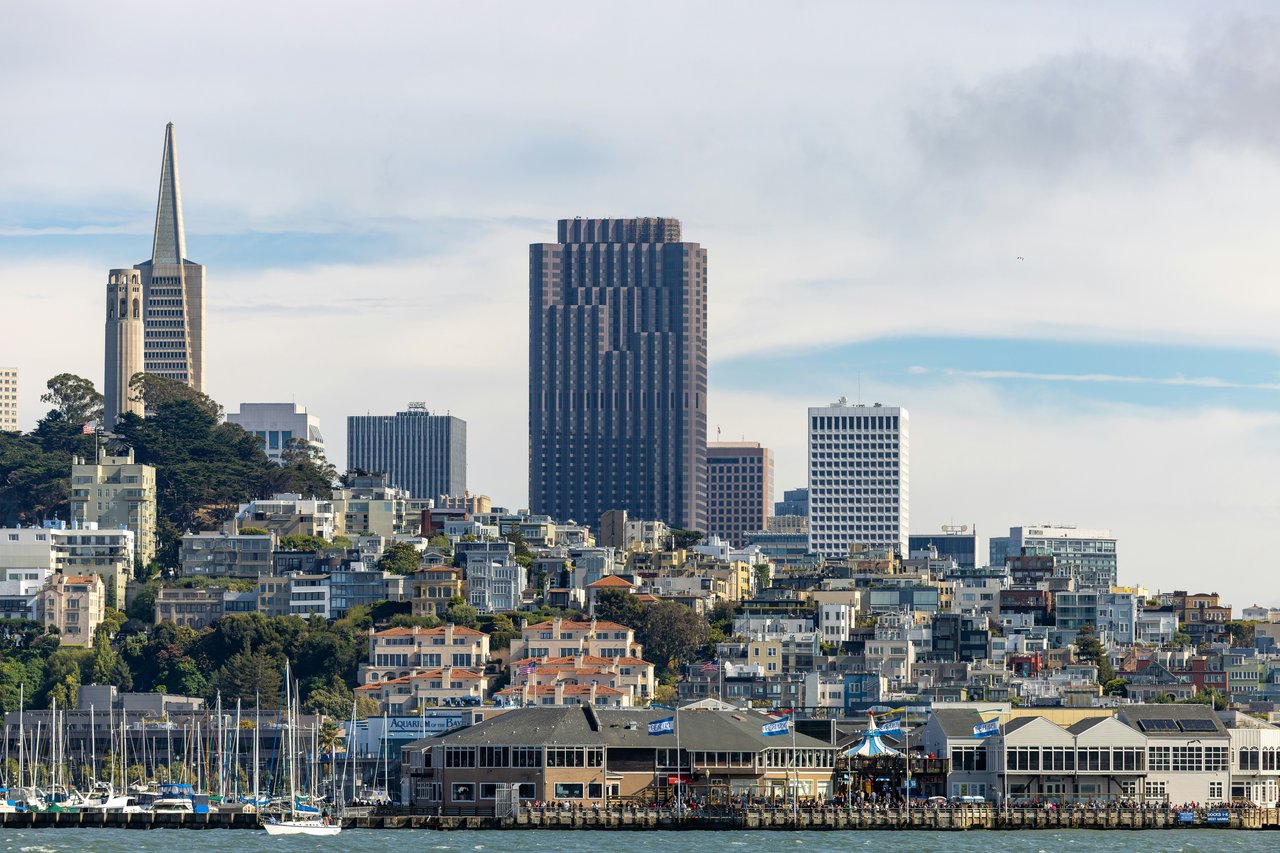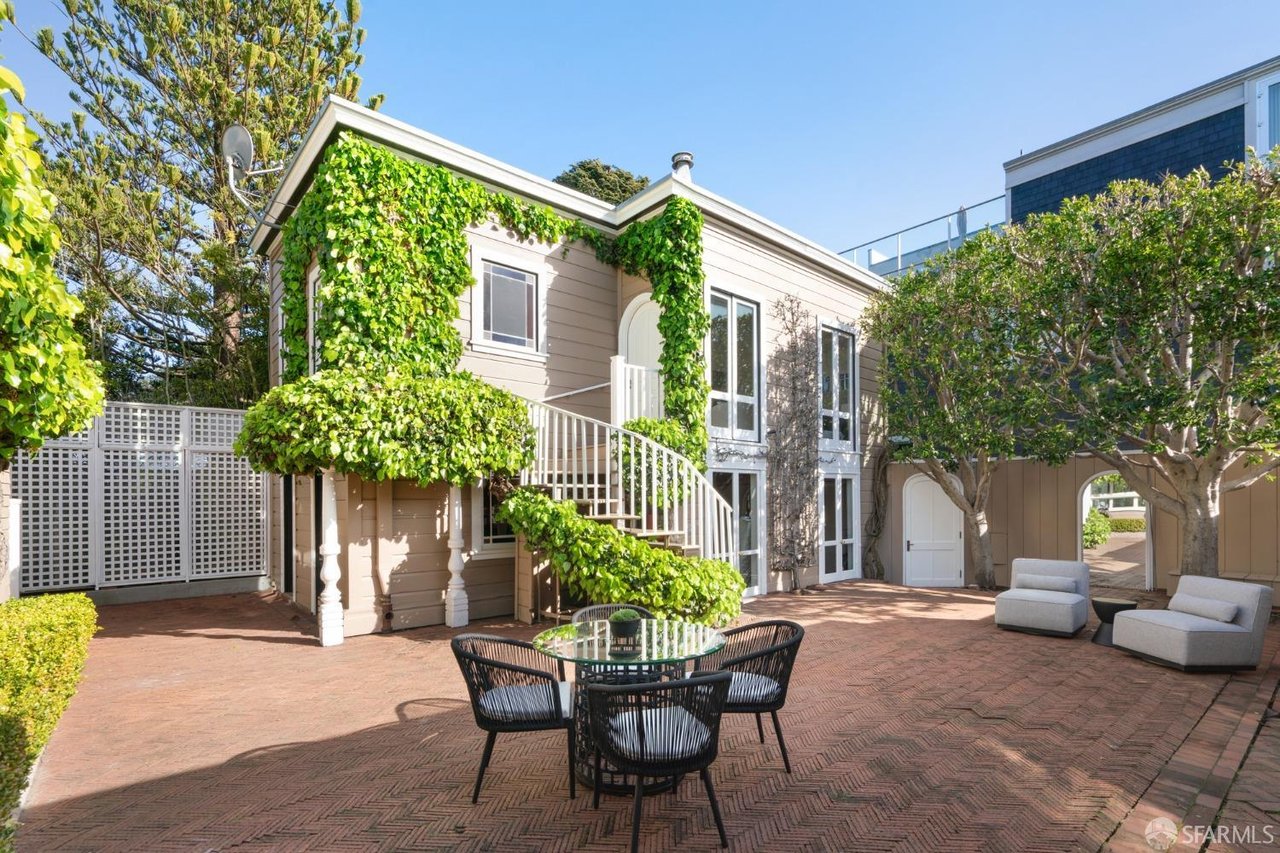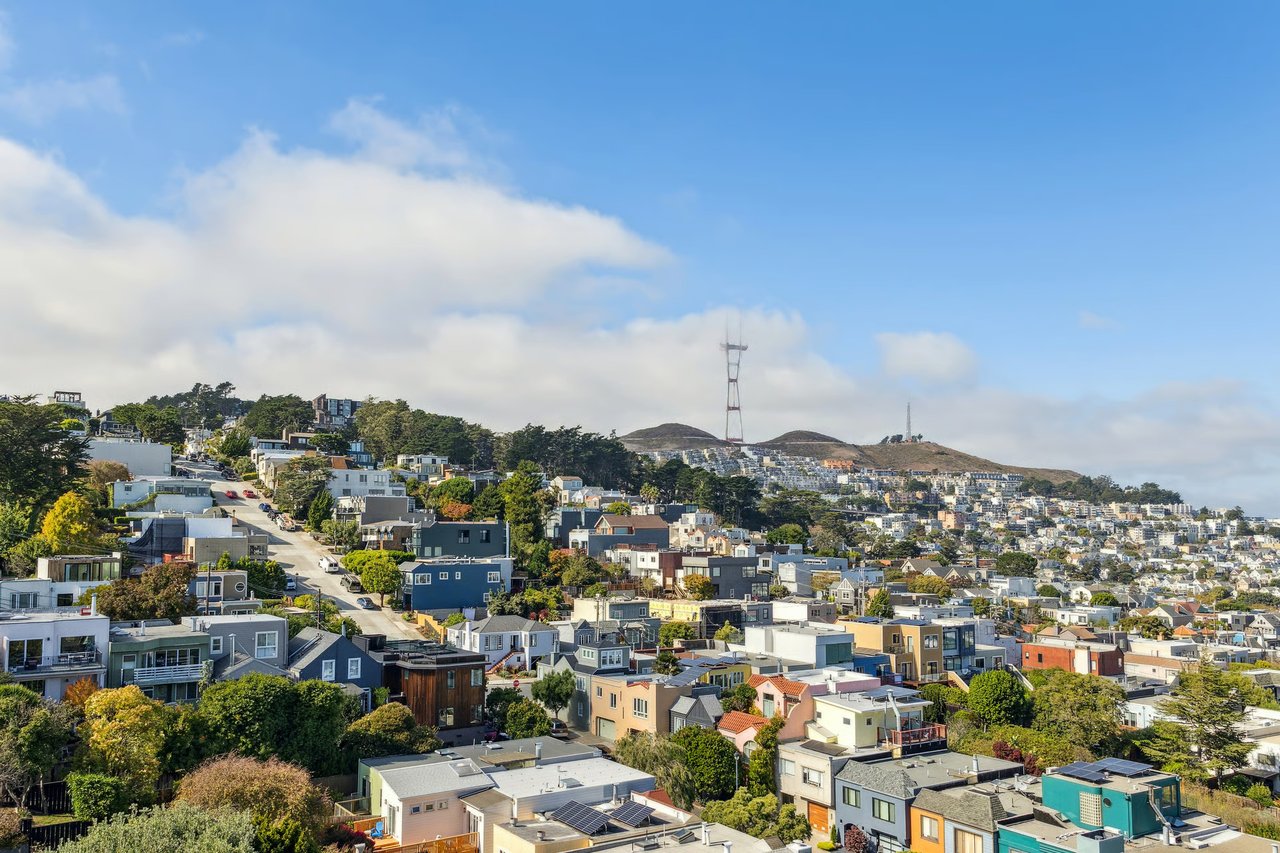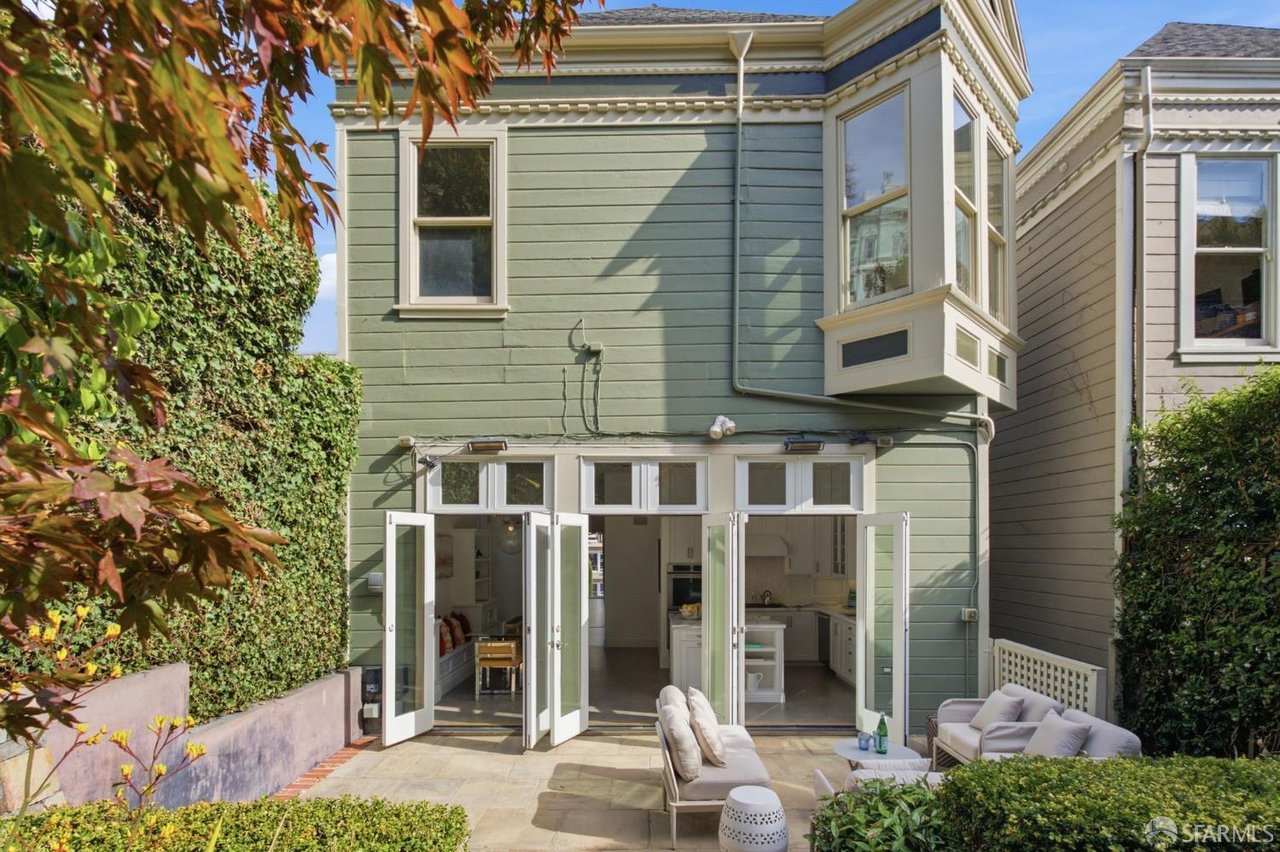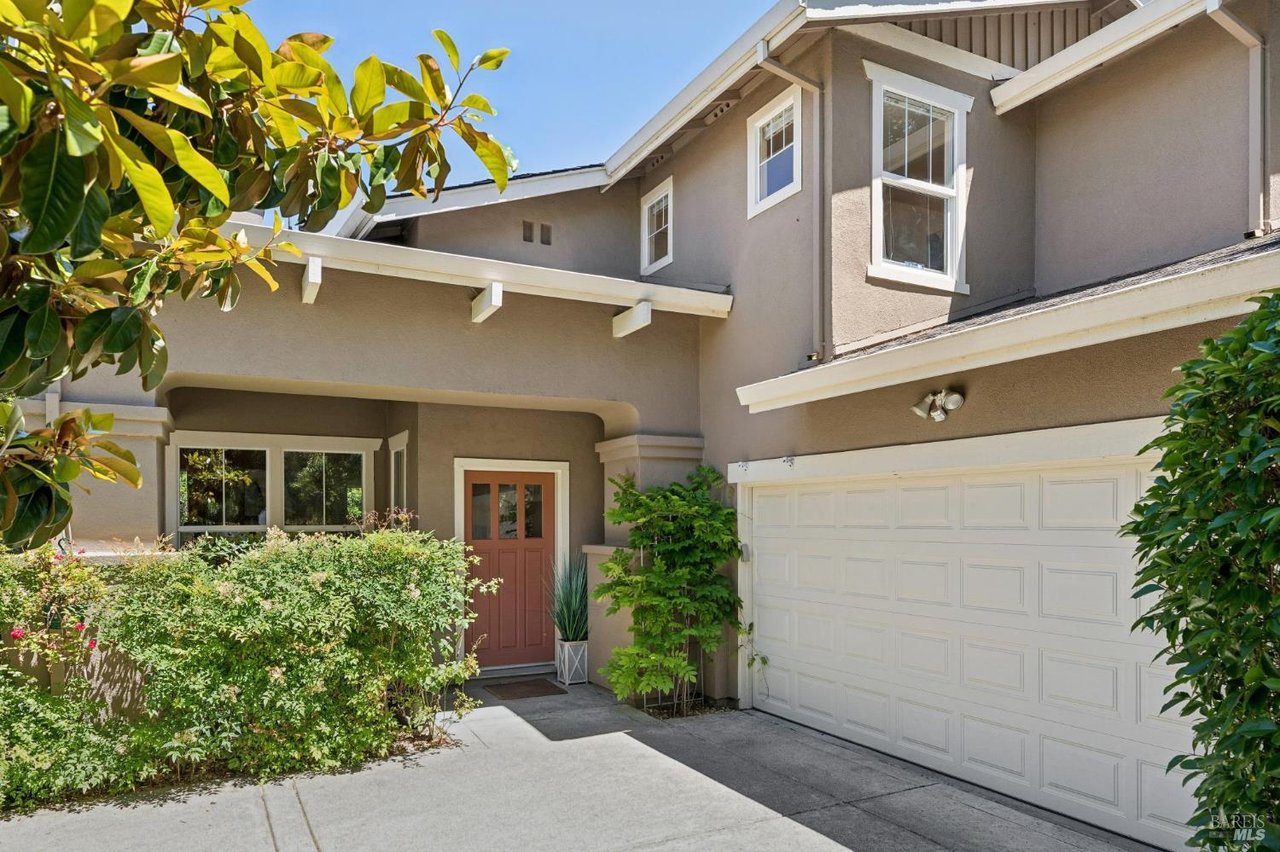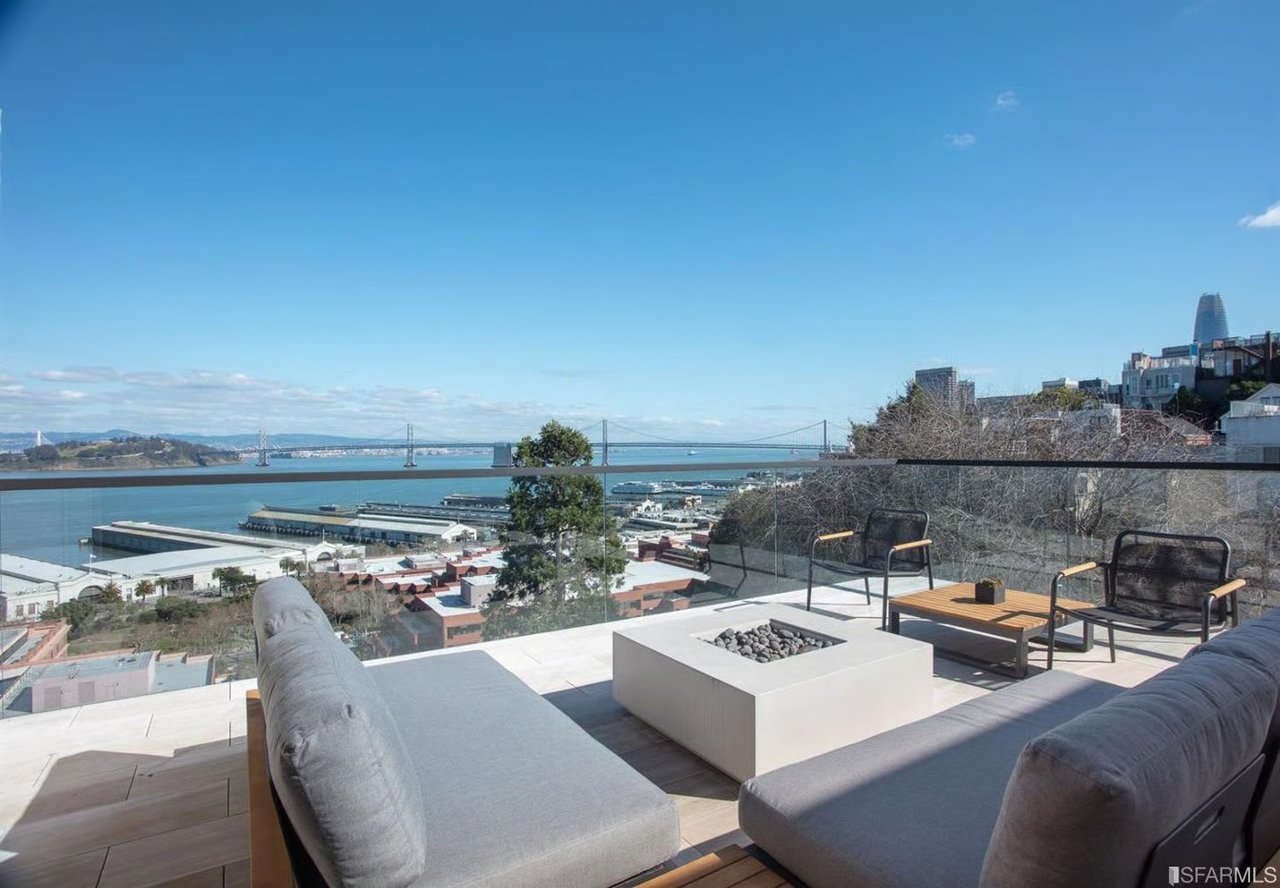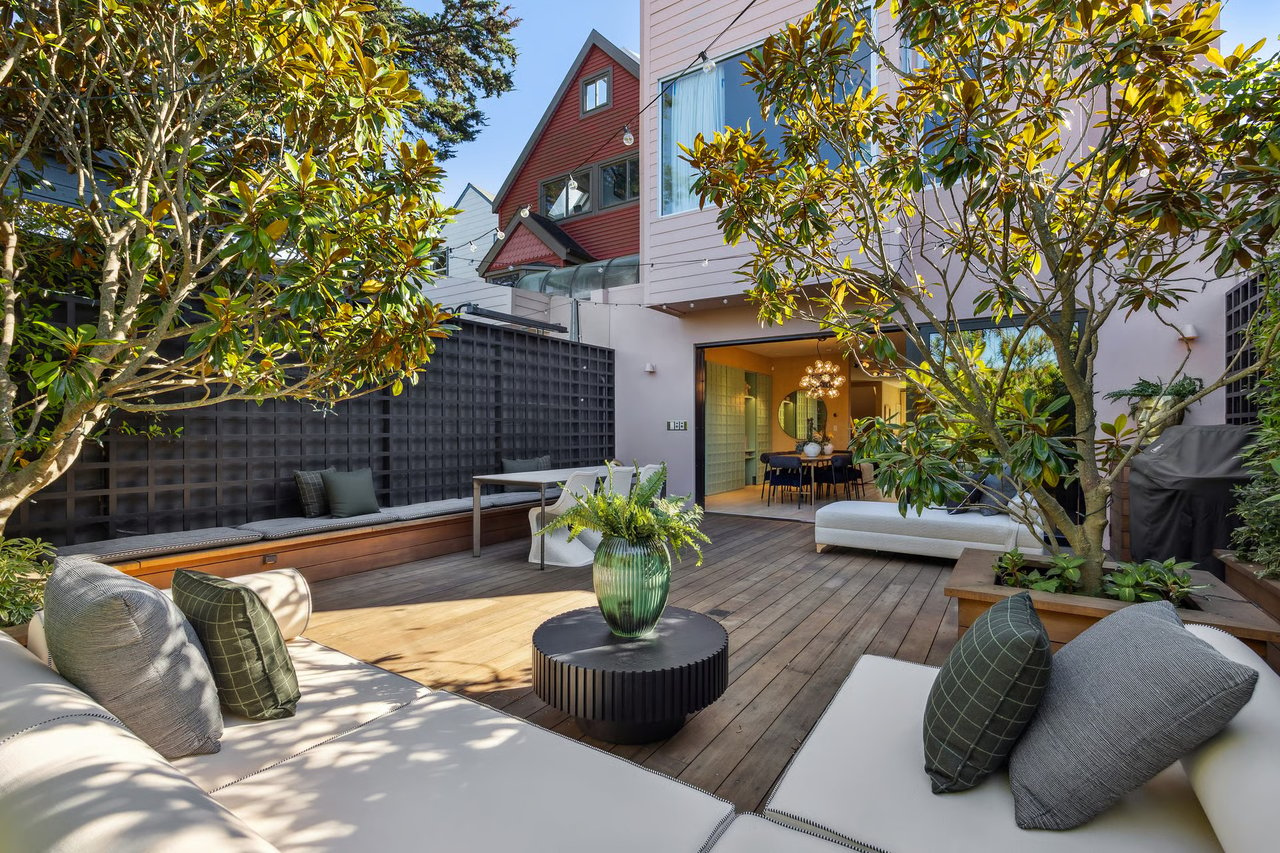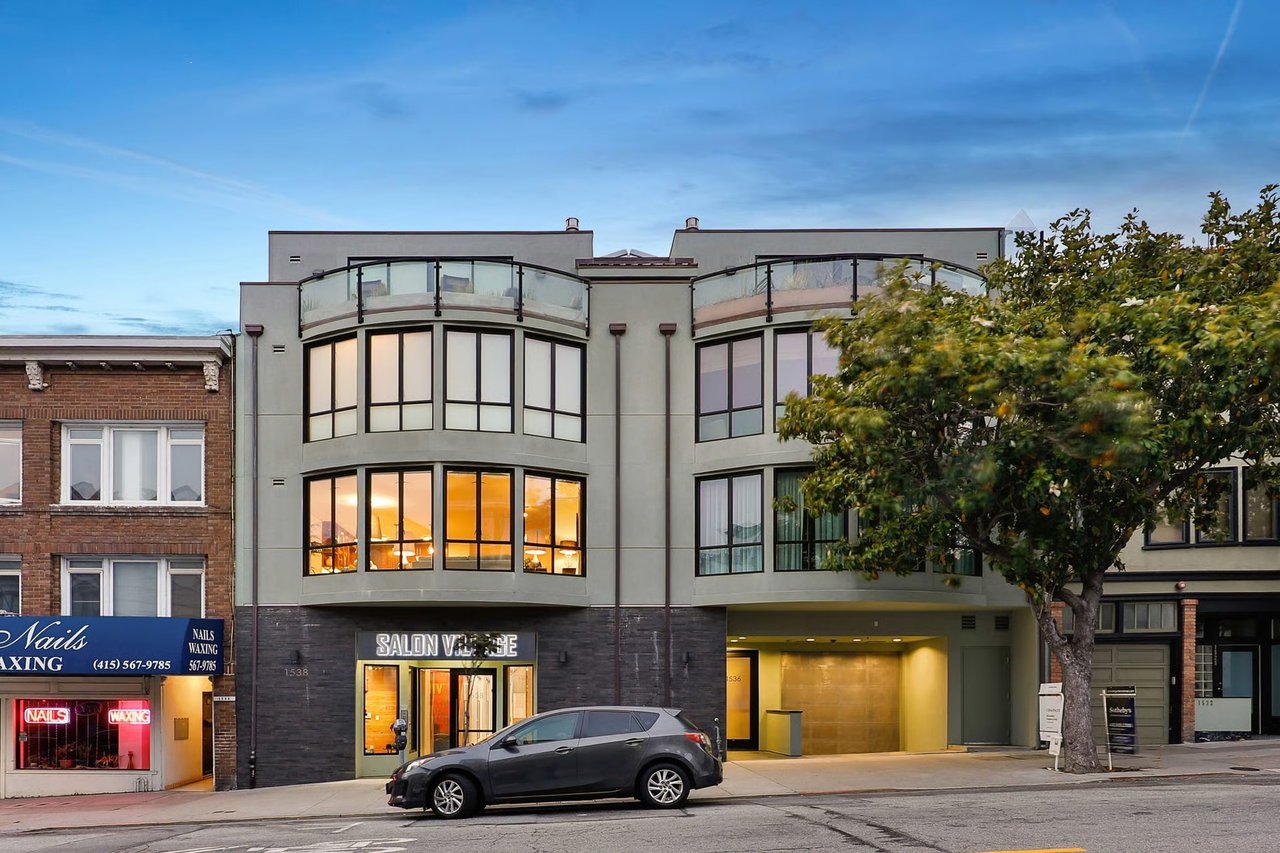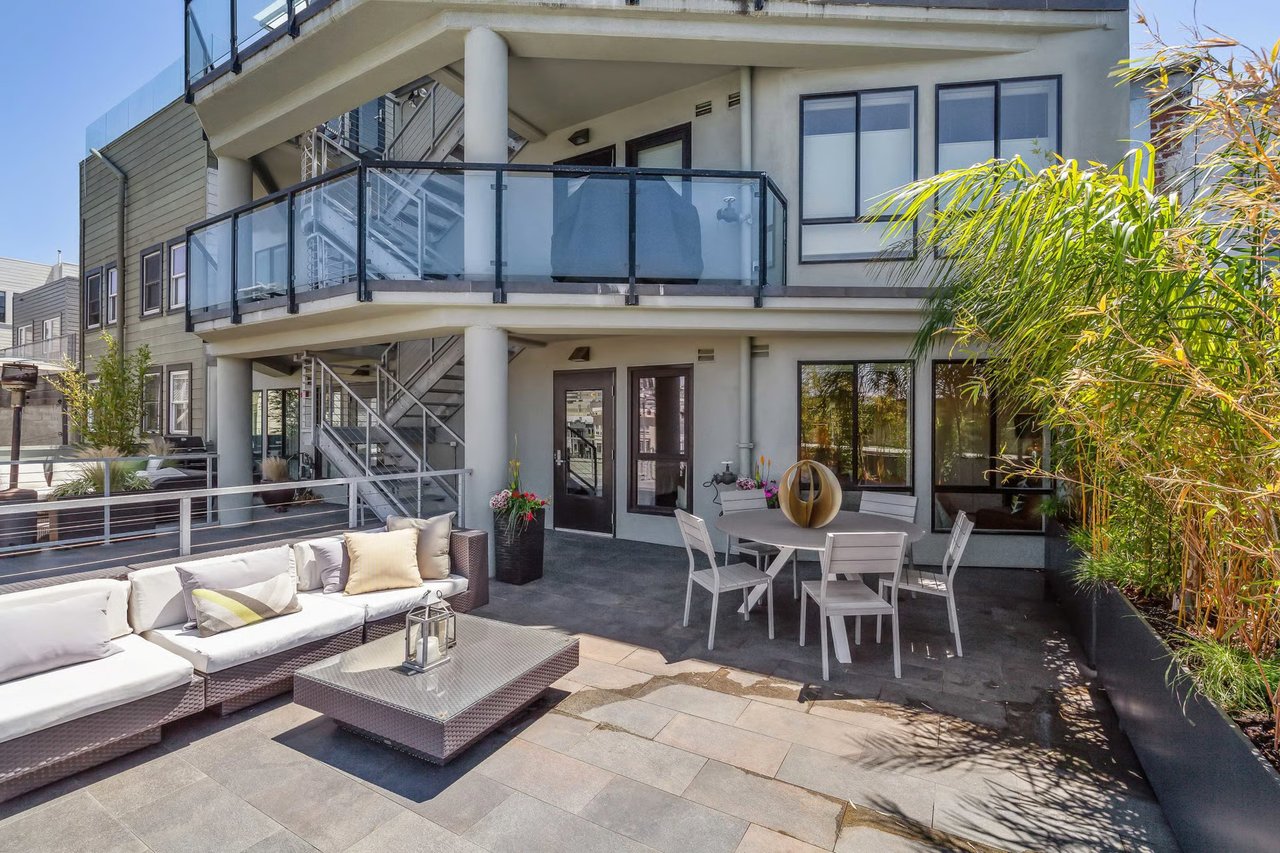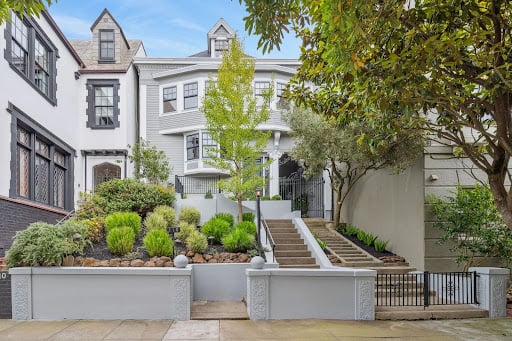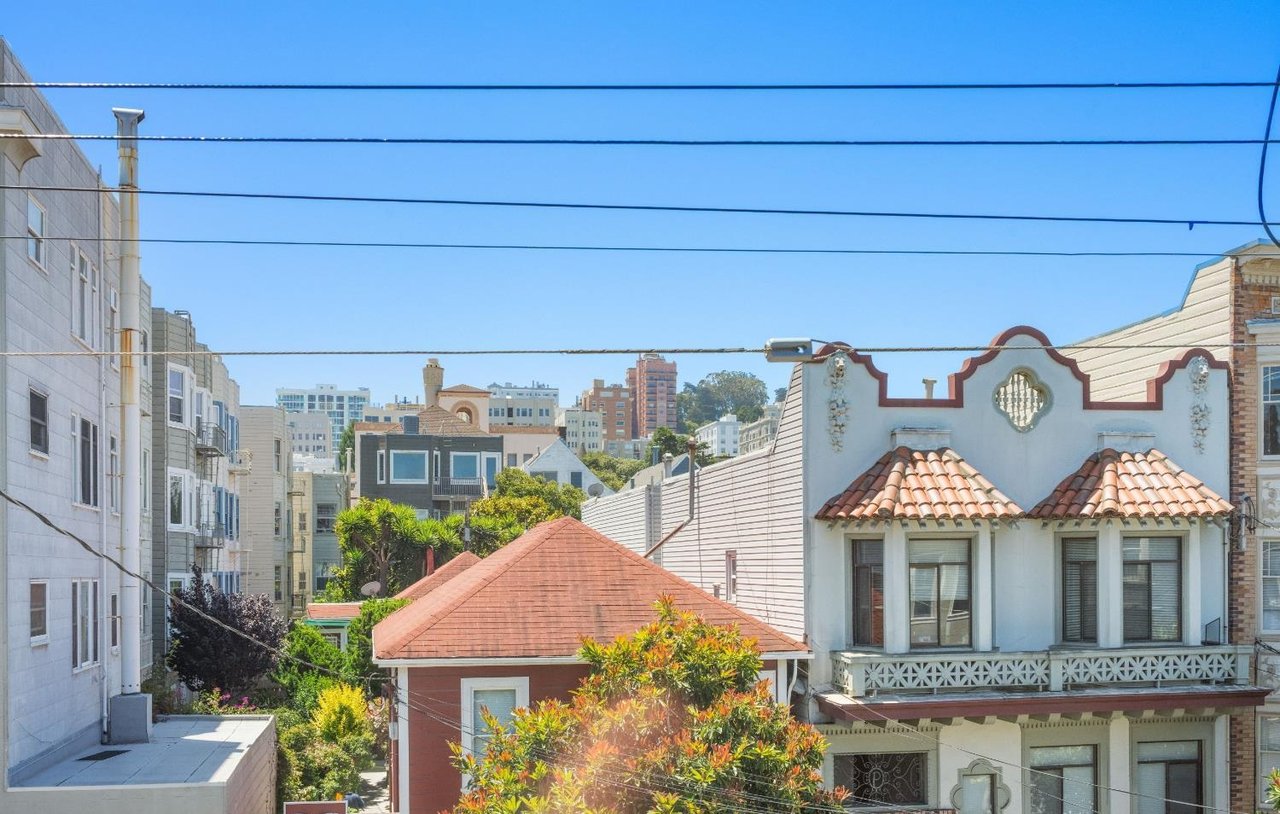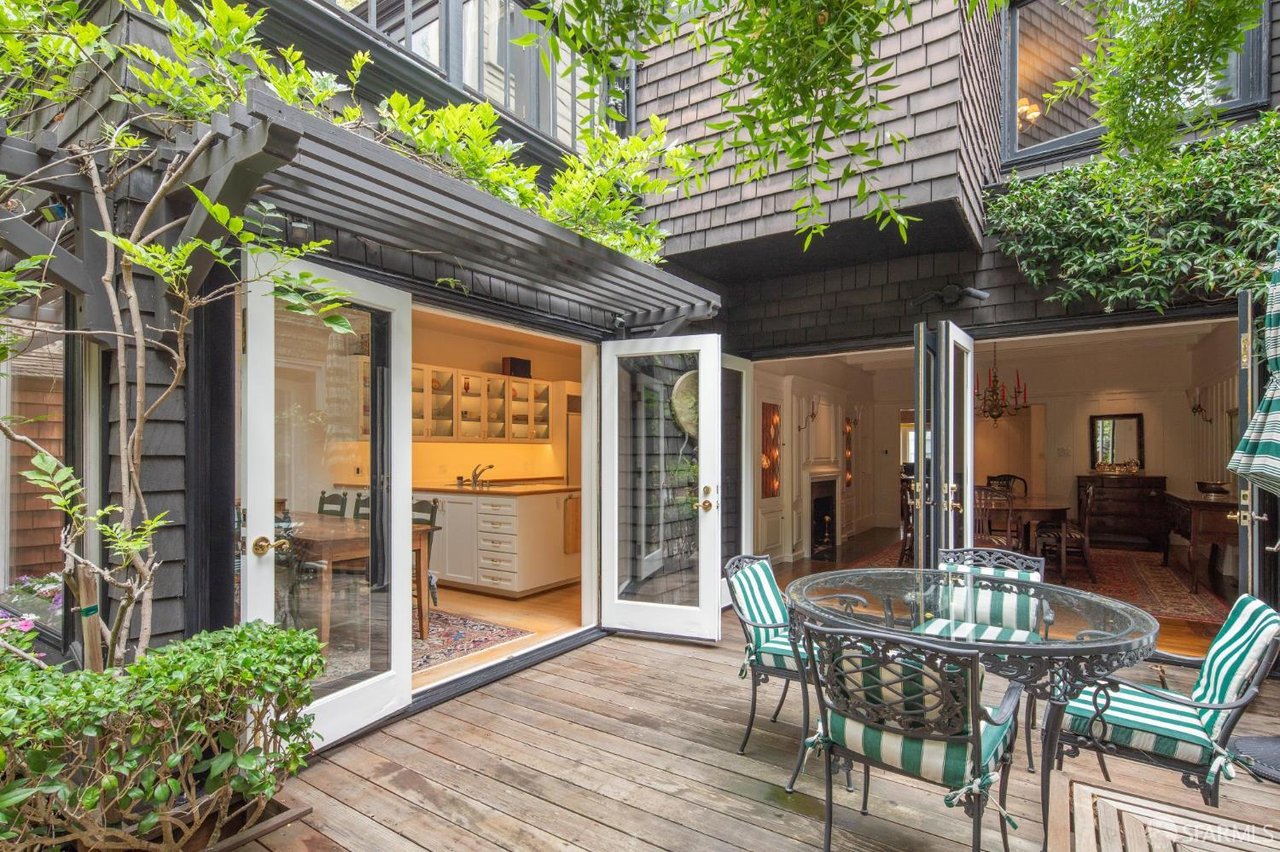
If you work at OpenAI and you are starting to think about buying a home in San Francisco, you are not alone, and you are also not entering a normal housing market. Finding the right real estate agent for OpenAI employees matters more here than it would almost anywhere else in the country, because San Francisco moves faster, prices more aggressively, and rewards local knowledge in a way few other cities do. I have spent my career representing buyers across this city, and I have watched OpenAI's rapid growth reshape entire neighborhoods over the past few years. This guide walks through what a specialized agent actually brings to the table and how to navigate this market with confidence.
Why OpenAI Employees Need a Specialized Approach
OpenAI's headcount growth has been extraordinary, and a large share of that growth is landing directly in San Francisco. That means a lot of new buyers are entering the market at the same time, often with similar timelines, similar compensation structures, and similar urgency. When that many well-funded buyers compete for a limited supply of homes, the entire dynamic of the market shifts.
Timelines compress dramatically. A home that might sit on the market for a month in a typical city can go from listing to accepted offer in ten days here, sometimes less. Buyers who are used to a slower pace elsewhere often find themselves several steps behind before they even realize the clock has started. OpenAI employees relocating from other tech hubs are frequently surprised by just how quickly they need to be ready to act once they start seriously looking.
There is also the matter of who else is competing for the same homes. In many of San Francisco's most desirable neighborhoods, a meaningful share of active buyers work in tech, and many of them are well capitalized through salary, bonuses, and equity. That means you are rarely competing against a single other offer; you are often competing against several, all backed by buyers with strong financial profiles. Standing out in that environment requires more than just a strong number; it requires a strategy built around how sellers and their agents actually evaluate offers.
What a Real Estate Agent for OpenAI Employees Actually Does
A generic real estate agent can show you homes and write an offer. A real estate agent for OpenAI employees who actually understands this specific buyer profile does considerably more than that.
The first thing a specialized agent does is help translate your equity and stock compensation into a workable, realistic budget. Many OpenAI employees have compensation packages that blend base salary with equity grants, and figuring out how much home that combination genuinely supports takes more than a simple back-of-the-envelope calculation. An experienced agent works alongside a lender who understands this compensation structure, so your budget reflects your actual financial position rather than an overly conservative or overly optimistic guess.
The second thing a specialized agent does is surface opportunities you would never find on your own. A significant portion of San Francisco's best inventory moves through off-market and pre-market channels, meaning it never appears on Zillow, Redfin, or any public portal at all. Agents with deep relationships across the city hear about these opportunities early, sometimes before a home is even fully prepared for its public debut, and that access can be the difference between finding your home and missing it entirely. This matters especially in a city with San Francisco's inventory constraints, where the total number of homes on the market at any given moment is a fraction of what a comparable population elsewhere would generate. When public inventory is already limited, the unlisted layer of the market becomes disproportionately important, and buyers without access to it are effectively competing for a smaller pool of options than everyone else.
The third thing a good agent does is manage the pace and pressure of multiple offer situations on your behalf. When a home receives ten or fifteen offers, the negotiation is not just about price; it is about structure, timeline, contingencies, and how your offer is presented to the seller's agent. An experienced local agent knows exactly what tends to win in a given neighborhood and price point, and can shape your offer accordingly rather than leaving you to guess.
Where OpenAI Employees Are Buying in San Francisco
OpenAI's offices sit within easy reach of several of San Francisco's most established neighborhoods, and that proximity shows up clearly in where employees are choosing to buy. Some prioritize a short, simple commute above everything else, gravitating toward central neighborhoods where walking or biking to the office is realistic most days of the week. Others are willing to accept a slightly longer commute in exchange for more space, a quieter street, or better long-term value, particularly as they think about starting a family or settling in for the long term.
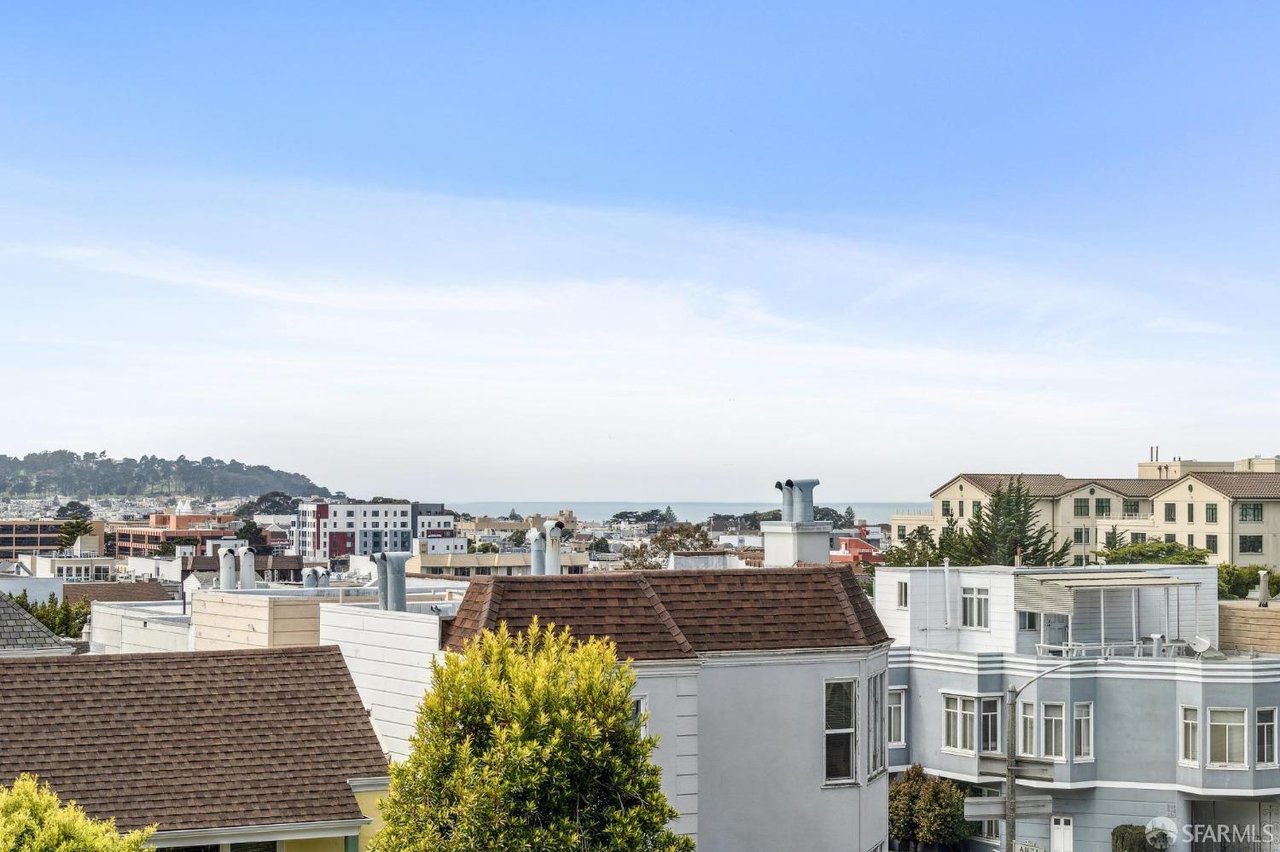
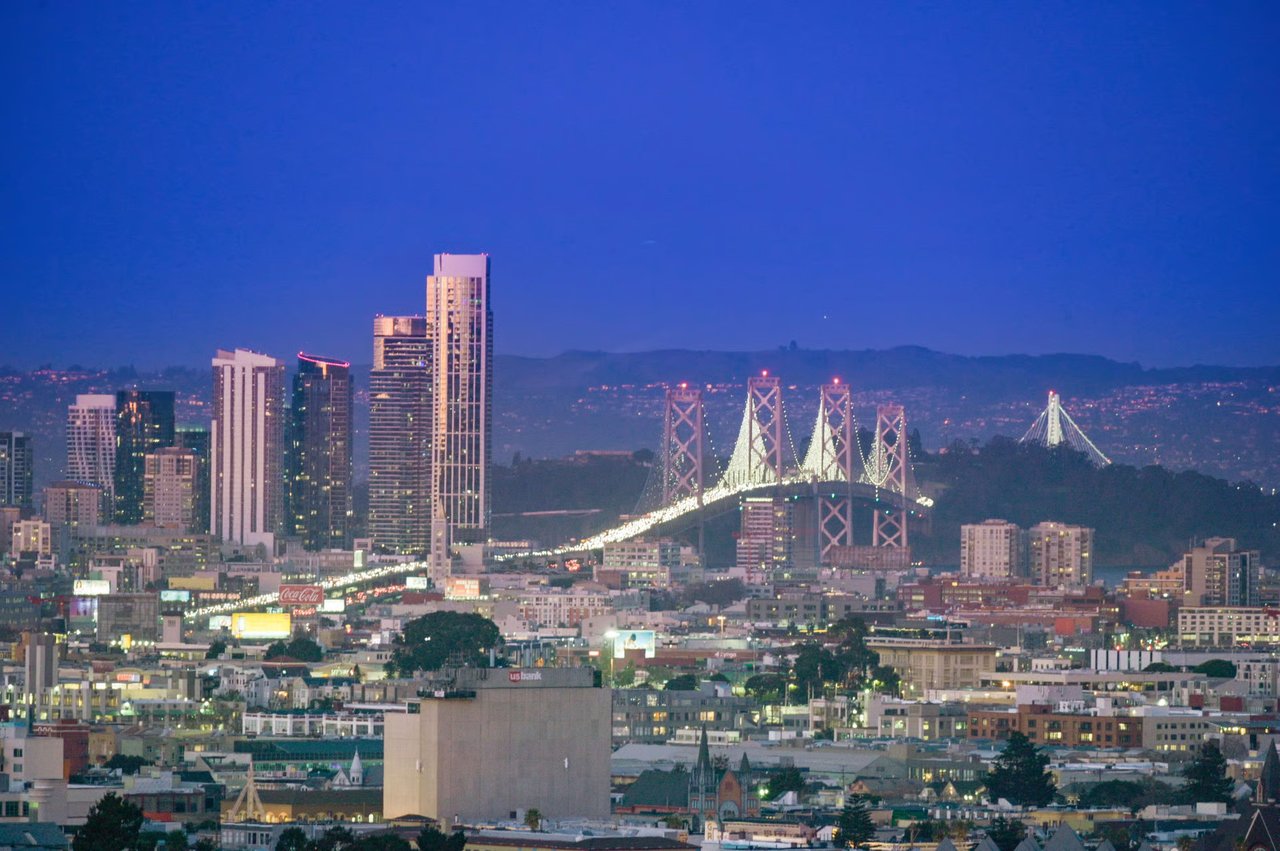
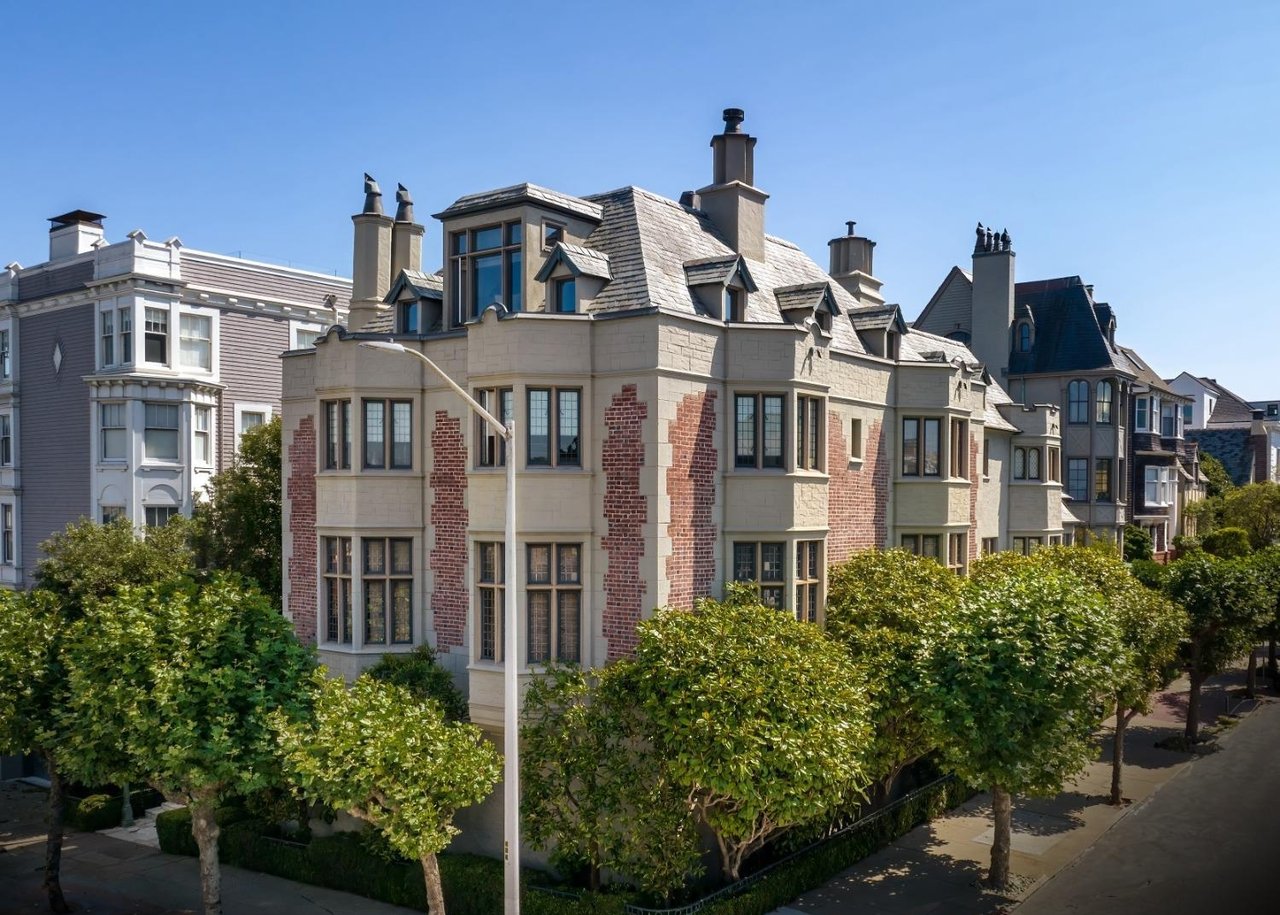
Neighborhoods like Pacific Heights continue to draw buyers who want a classic, established feel with strong appreciation history, while areas around Noe Valley appeal to those who want a more residential, community-driven pace without sacrificing easy access to the rest of the city. I have also seen growing interest from OpenAI employees in Presidio Heights and Cow Hollow, both of which offer a strong balance of walkable retail, established housing stock, and long-term value stability. The right answer for you depends heavily on your commute tolerance, your budget, and the kind of day-to-day lifestyle you actually want, and it is worth touring a range of San Francisco neighborhoods before narrowing your focus too early. Spending a few weekends walking a shortlist of neighborhoods, at different times of day and on different days of the week, tells you far more than any listing photo or walk score ever could. A street that feels lively and convenient on a Saturday afternoon can feel completely different during a weekday morning commute, and that firsthand experience often reshapes which neighborhoods buyers ultimately choose to focus on.
It is also worth thinking beyond your first year or two in the city. Many OpenAI employees plan to stay in San Francisco well past their initial relocation, and buying with that longer horizon in mind changes which neighborhoods and property types make the most sense. A home that is convenient for a single person working long hours near the office may not be the right fit once life circumstances change, so it is worth having an honest conversation with your agent about where you see yourself in five years, not just where you want to be next month.
Making a Competitive Offer Without Overextending
One of the hardest parts of navigating the SF market as a first-time buyer is figuring out how to compete seriously without stretching yourself into a financial position that feels uncomfortable. This is where local expertise genuinely pays for itself.
Understanding current overbid percentages in your target neighborhood is essential. In San Francisco, homes routinely close well above their original asking price, and that percentage varies meaningfully by neighborhood, property type, and season. An agent who tracks this data closely can tell you realistically what it will take to win in a specific micro market, rather than leaving you to guess and either underbid repeatedly or overpay unnecessarily.
It also matters enormously to work with lenders who are genuinely familiar with tech compensation structures. Not every lender treats equity, RSUs, and bonus income the same way, and the difference between a lender who understands this and one who does not can change your effective purchasing power significantly. A strong agent maintains relationships with lenders who specialize in this exact profile and can make introductions that streamline your entire financing process.
Finally, a good agent helps you separate genuine value from simple hype. Not every home worth bidding aggressively on is actually worth the final price it commands, and not every underpriced listing is a bargain. Local expertise means knowing which properties justify a strong offer and which ones are better left to another buyer, so your competitiveness is targeted rather than indiscriminate.
There is also a psychological dimension to this that first-time San Francisco buyers often underestimate. Losing your first offer, or even your first three offers, is common in this market and does not necessarily mean your budget or your strategy is wrong. A good agent helps you interpret each loss constructively, adjusting your approach based on real feedback from the market rather than becoming discouraged or, in the other direction, panicking into an offer that stretches you too far. Staying financially disciplined while remaining genuinely competitive is a balance that experienced agents help their clients strike again and again throughout a search, and it is often the single biggest factor separating buyers who close within a few months from those who spend a year searching without success.
What the Home Buying Timeline Looks Like
Understanding the actual mechanics of a San Francisco transaction helps OpenAI employees plan around their work schedules and any upcoming liquidity events tied to their equity. Most sellers here set a formal offer date roughly one to two weeks after a listing goes live, which means every serious buyer's offer arrives at the same moment rather than trickling in over time. That structure rewards buyers who have already lined up financing and made their key decisions in advance, and it penalizes buyers who are still figuring out their budget once the offer date arrives.
Once an offer is accepted, escrow typically closes within three to four weeks, assuming financing and disclosures move smoothly. During that window, you complete inspections, review the seller's disclosure package in detail, and finalize your loan. OpenAI employees who plan their offer timing around their vesting schedule, rather than scrambling to source funds after the fact, tend to have noticeably smoother closings and far less stress during the final weeks before they receive keys.
It is also worth thinking through your move itself well before you are under contract. Relocating employees sometimes underestimate how quickly they need to line up movers, temporary housing if their start date arrives before their closing date, and any renovation work they want completed before move-in. Building a rough calendar early, even before you have found a specific home, keeps the entire process feeling manageable rather than rushed.
Questions to Ask Before You Choose an Agent
Not every agent who says they understand the tech buyer profile actually does. Before you commit to working with someone, it is worth asking a few direct questions. Ask how many transactions they have closed with tech or AI company employees specifically, since general San Francisco experience does not always translate into fluency with equity compensation and relocation timelines. Ask how they typically structure offers in multiple offer situations, since a vague answer here often signals limited hands-on experience. Ask directly about their track record with off-market opportunities, since access to unlisted inventory is one of the clearest indicators of how well connected an agent actually is across the city.
The answers to these questions tend to separate agents who occasionally work with tech buyers from agents who have built real expertise around this exact profile. Given how much is riding on getting this right within a compressed timeline, it is worth taking the time to ask before you sign on with anyone. It is also reasonable to ask for references from recent clients with a similar profile to your own, particularly other tech employees who purchased in the last twelve months. Their experience, including how quickly they closed and how many offers it took before one was accepted, tells you more about an agent's real-world effectiveness than any marketing material ever will. A brief conversation with a past client, even a short phone call, often reveals more about how an agent communicates under pressure, how responsive they are during a tight offer window, and how honestly they set expectations than an hour spent reading online reviews.
What the Numbers Say
Our team ranks in the top 1% of San Francisco real estate agents
We have closed over 500 transactions across the city
Our transactions represent more than 1 billion dollars in career sales
Homes we represent sell at a 3.3x premium over the citywide average
Working with the right real estate agent for OpenAI employees is not a luxury in this market; it is a practical necessity. The pace, the competition, and the compensation structures at play here require a level of local expertise that a generic approach simply cannot match, and buyers who recognize this early tend to move through the process with far less stress and far better outcomes.
Work With a Team That Understands This Market
I have built my entire career around San Francisco real estate, and over the past several years I have worked closely with OpenAI employees navigating this exact market, from first-time buyers relocating from out of state to experienced homeowners looking to upgrade. My team at The Lurie Group understands how to structure offers around equity-heavy compensation, how to access off-market inventory before it becomes public, and how to help you compete confidently without overextending yourself financially. If you are ready to start your search, call us at (415) 696-0288 and let us put that experience to work for you, from your very first conversation through the day you receive your keys.
Frequently Asked Questions
How is buying a home different for someone paid partly in equity?
Lenders evaluate equity and stock compensation differently than base salary, and working with a lender experienced in this structure ensures your true purchasing power is reflected accurately in your pre-approval.
What areas of San Francisco are most popular with OpenAI employees?
Neighborhoods with strong commute access and long-term value stability tend to attract the most interest, though the right fit depends on your personal priorities and budget.
How much over asking price should I expect to offer?
Overbid percentages vary by neighborhood and season, and a local agent who tracks this data can give you a realistic target for your specific search area.
Can a real estate agent help me access homes not publicly listed?
Yes, a well-connected agent often has visibility into off-market and pre-market listings that never appear on public search portals.
How long does the home buying process take in this market?
From offer to closing, the process typically takes three to four weeks once an offer is accepted, though the search itself can move much faster than buyers expect once the right home appears.