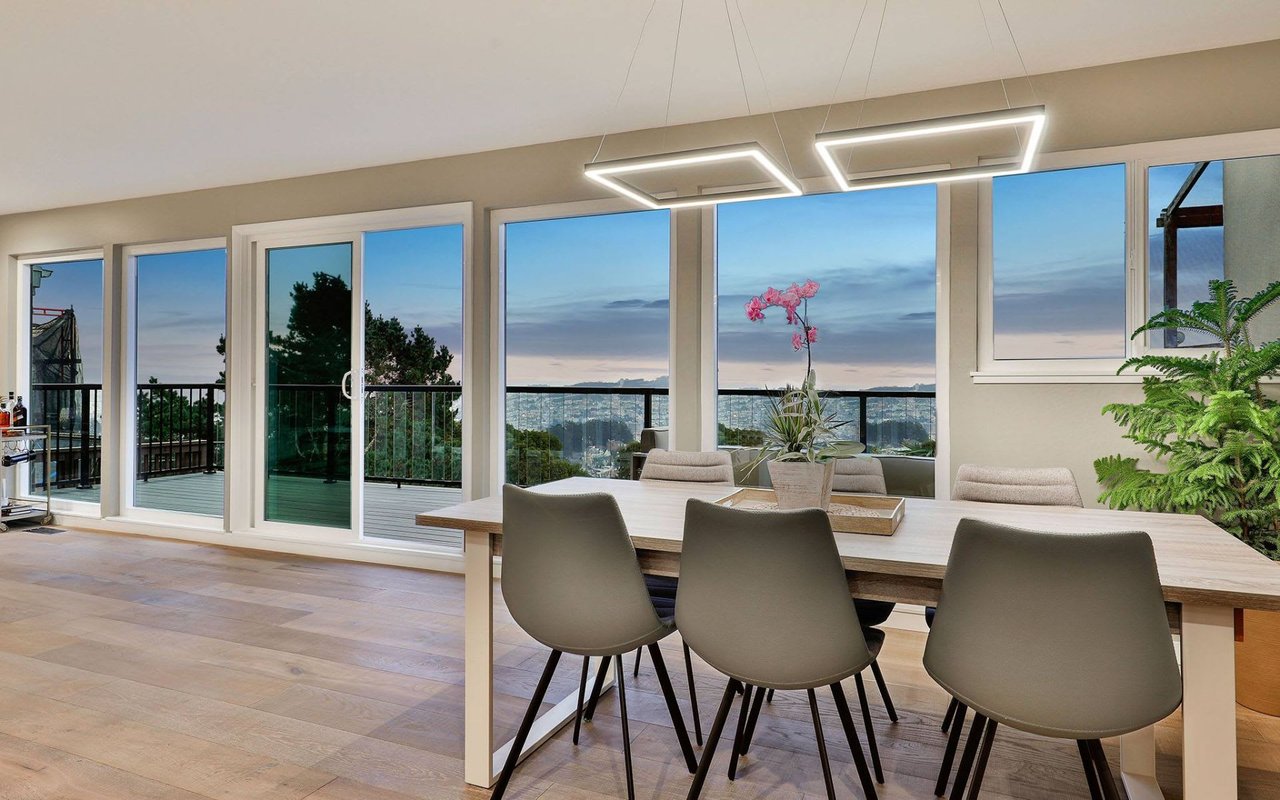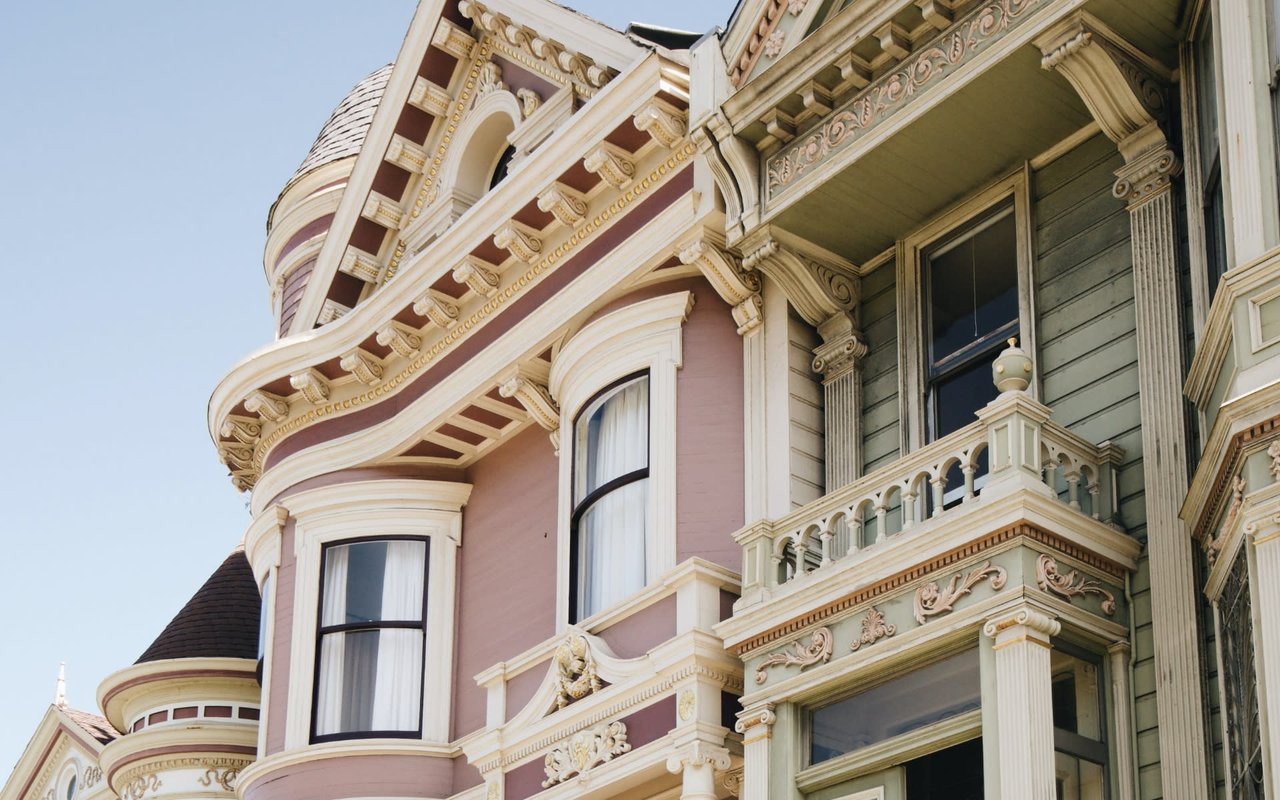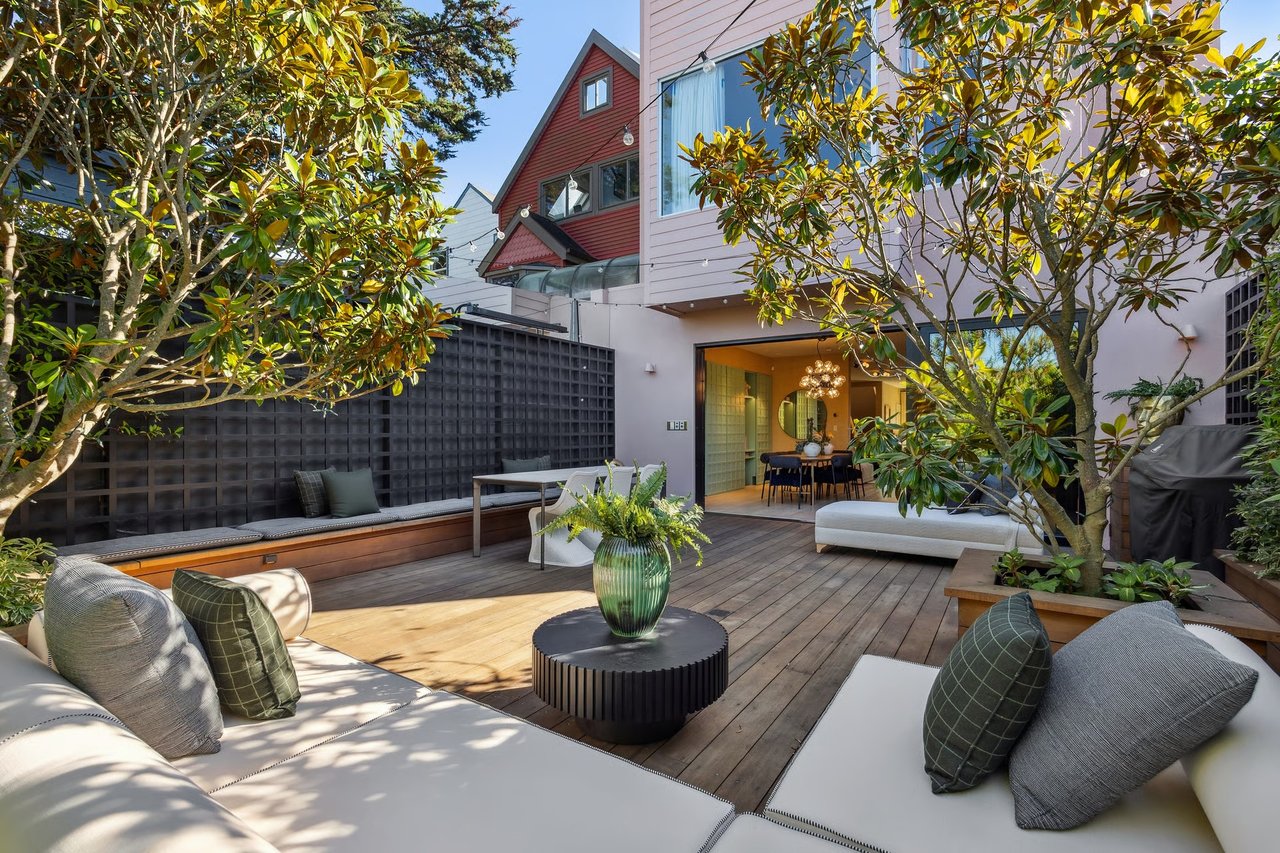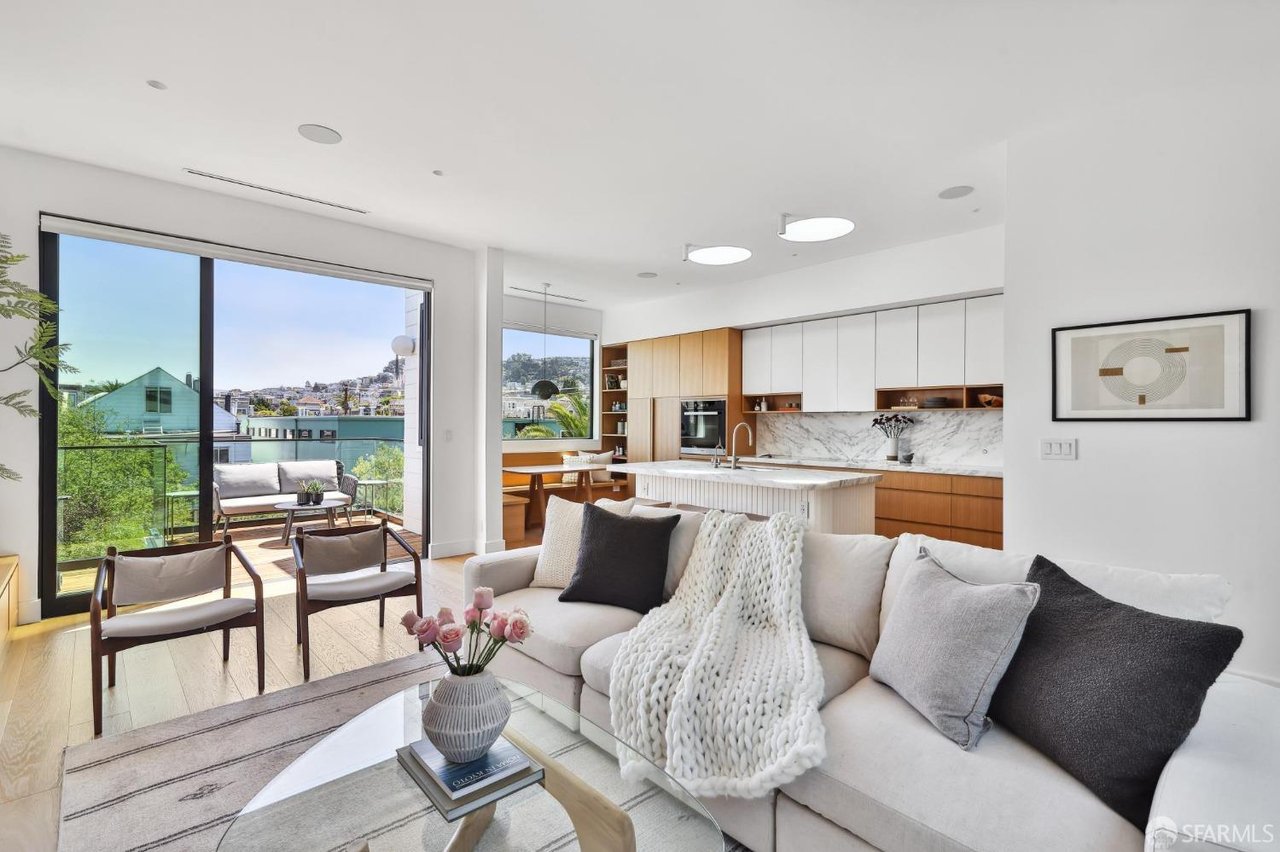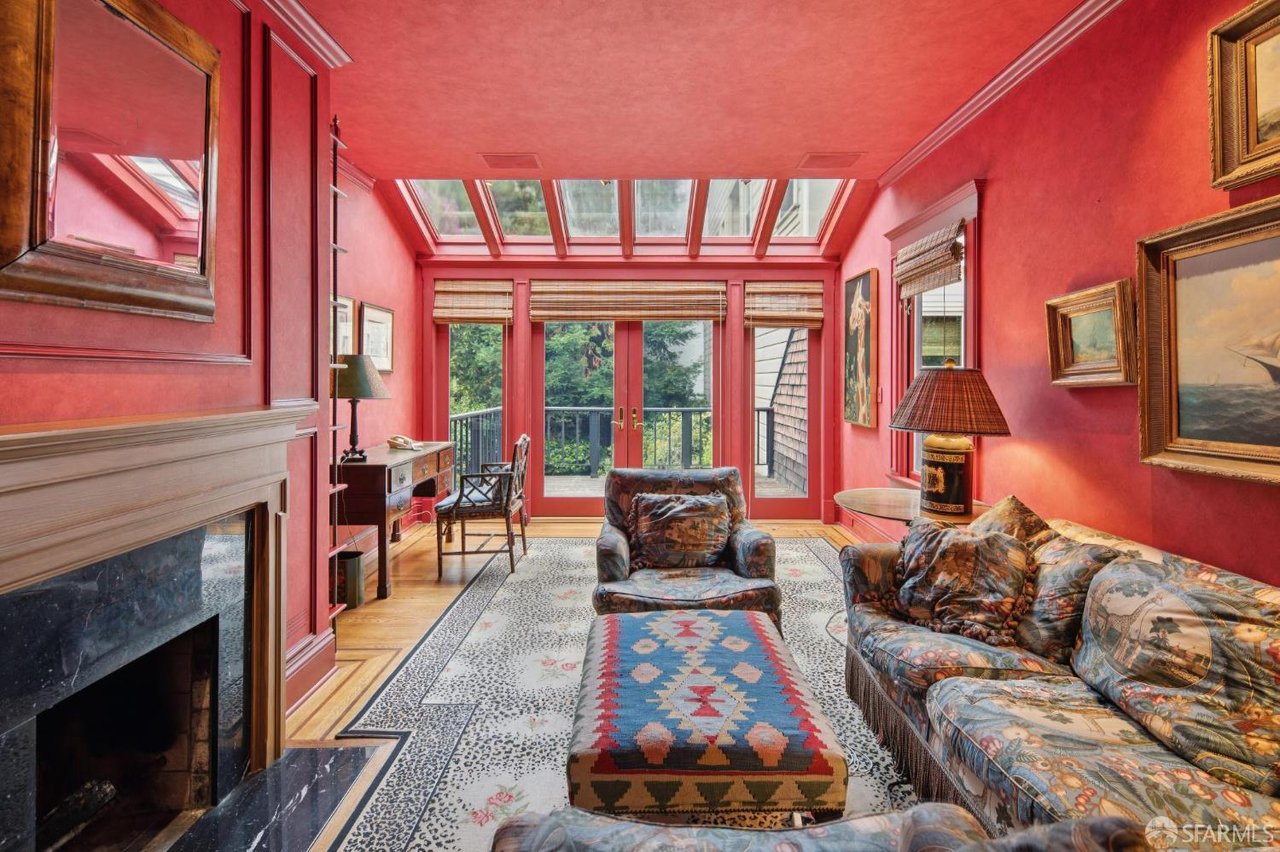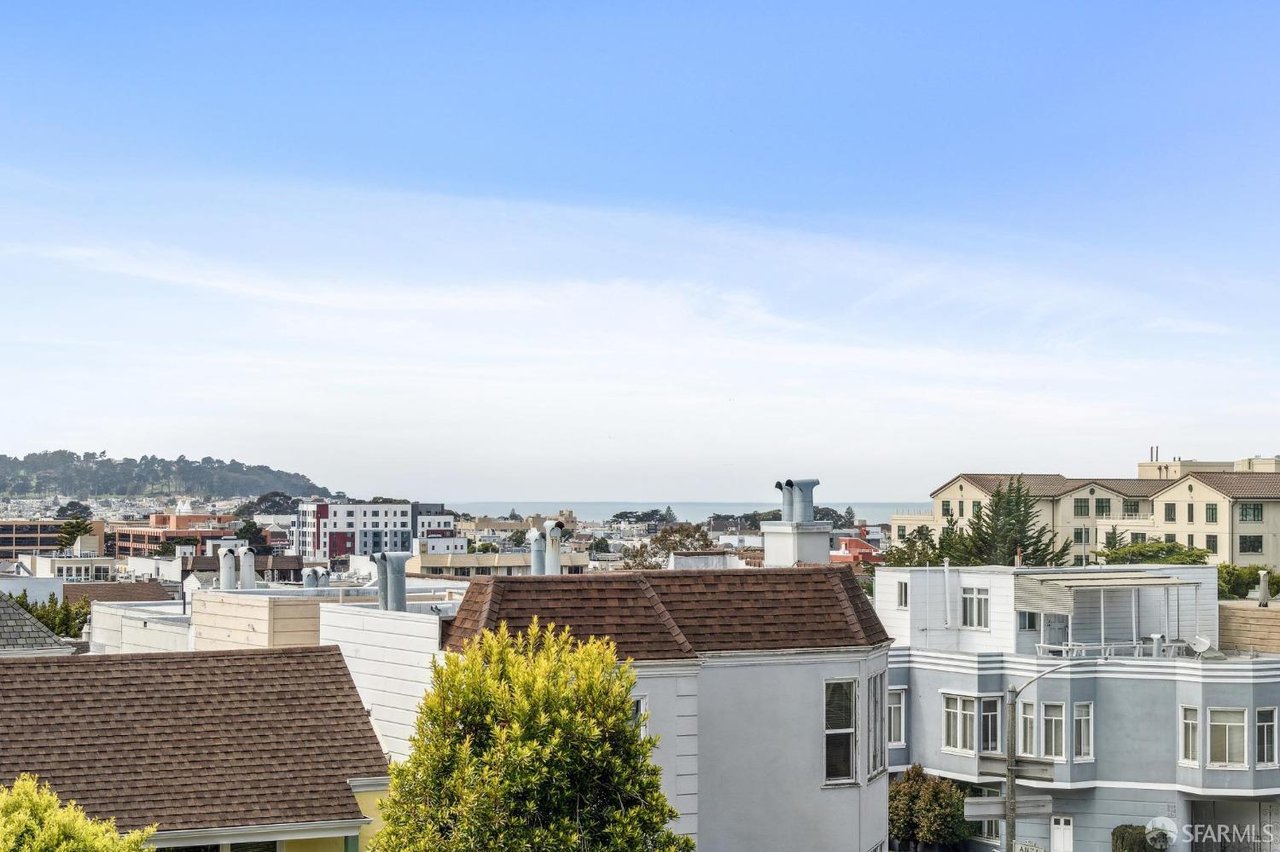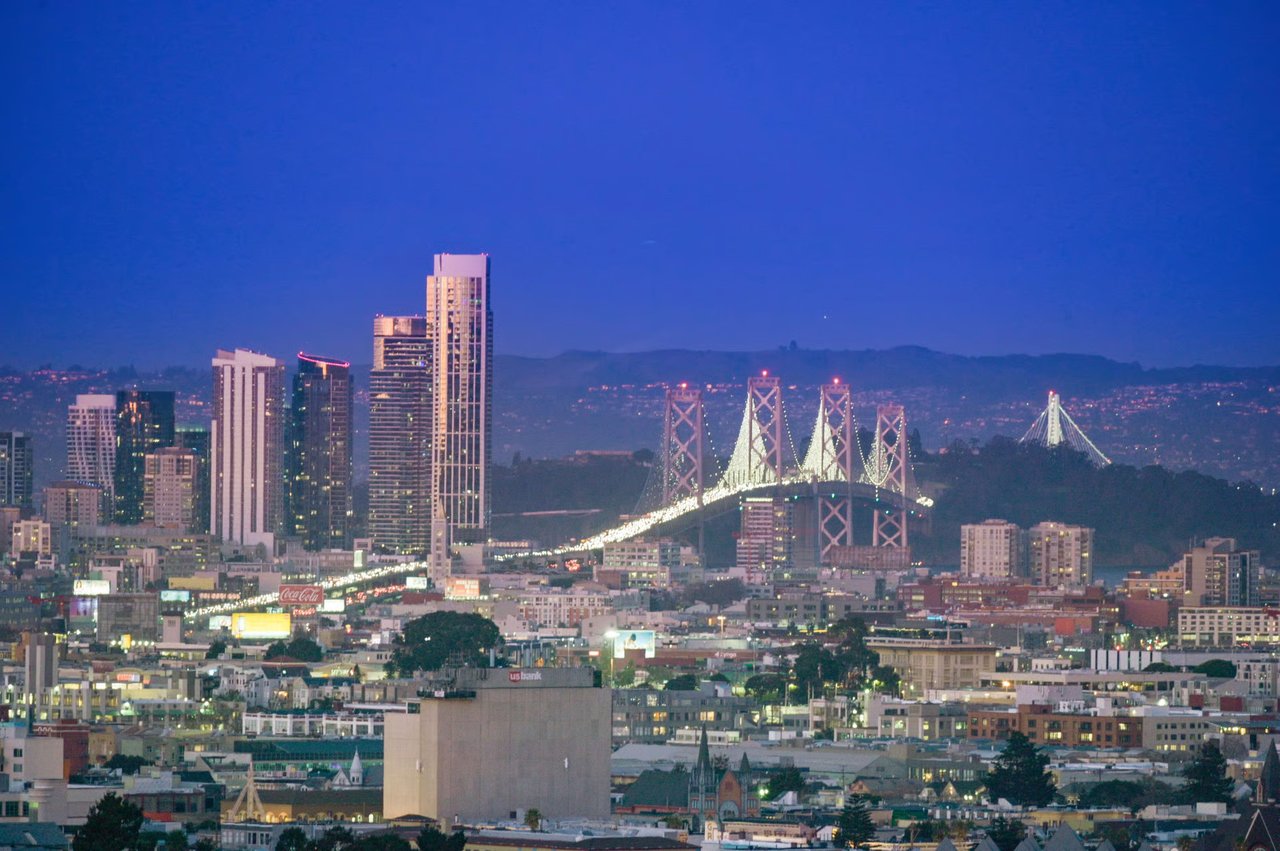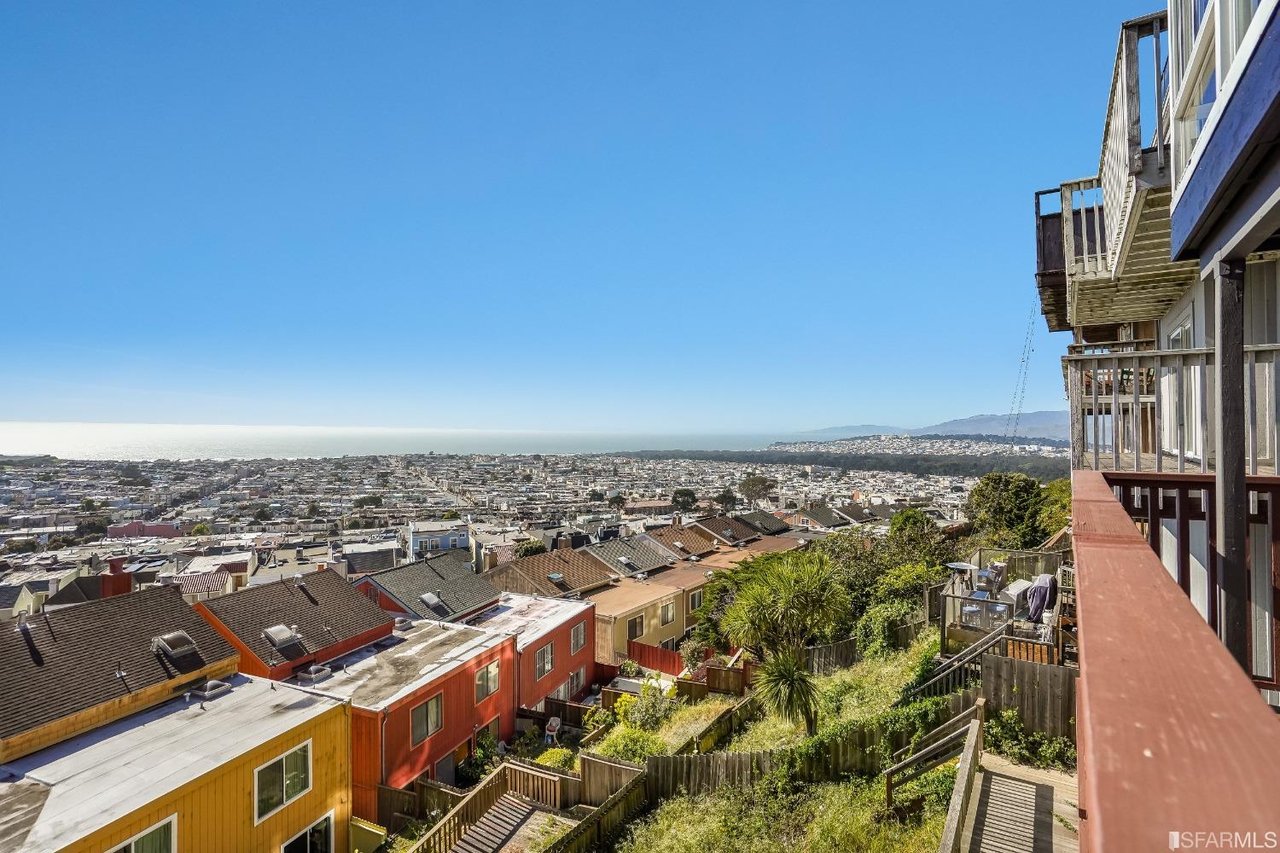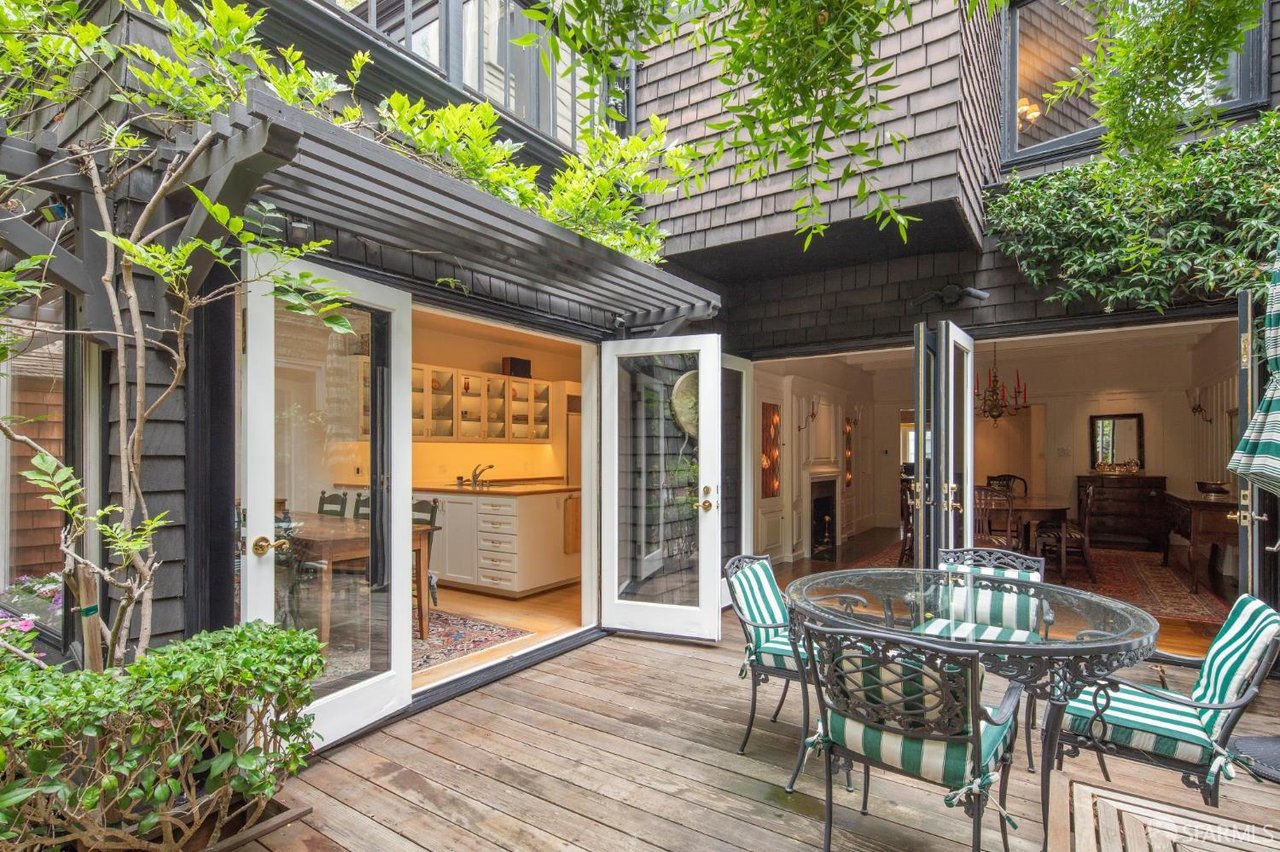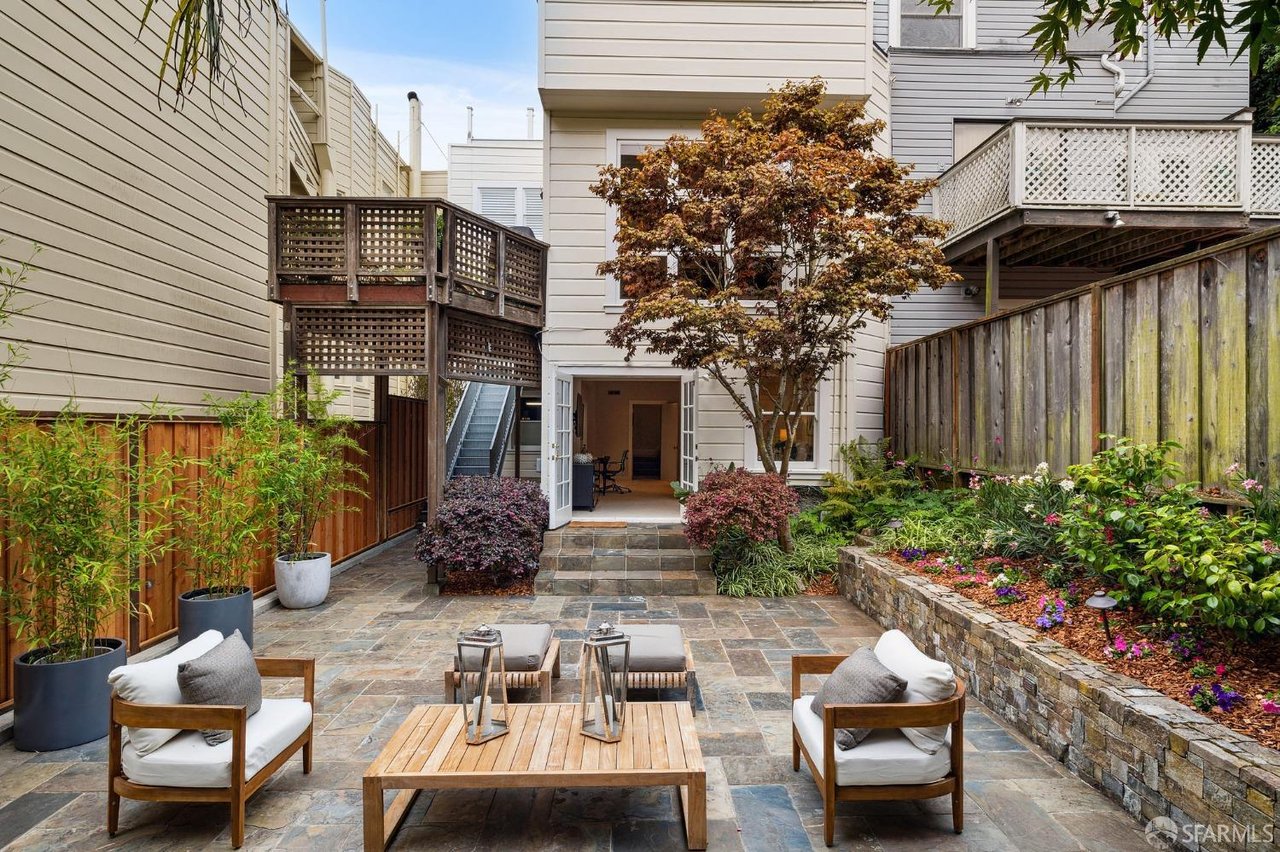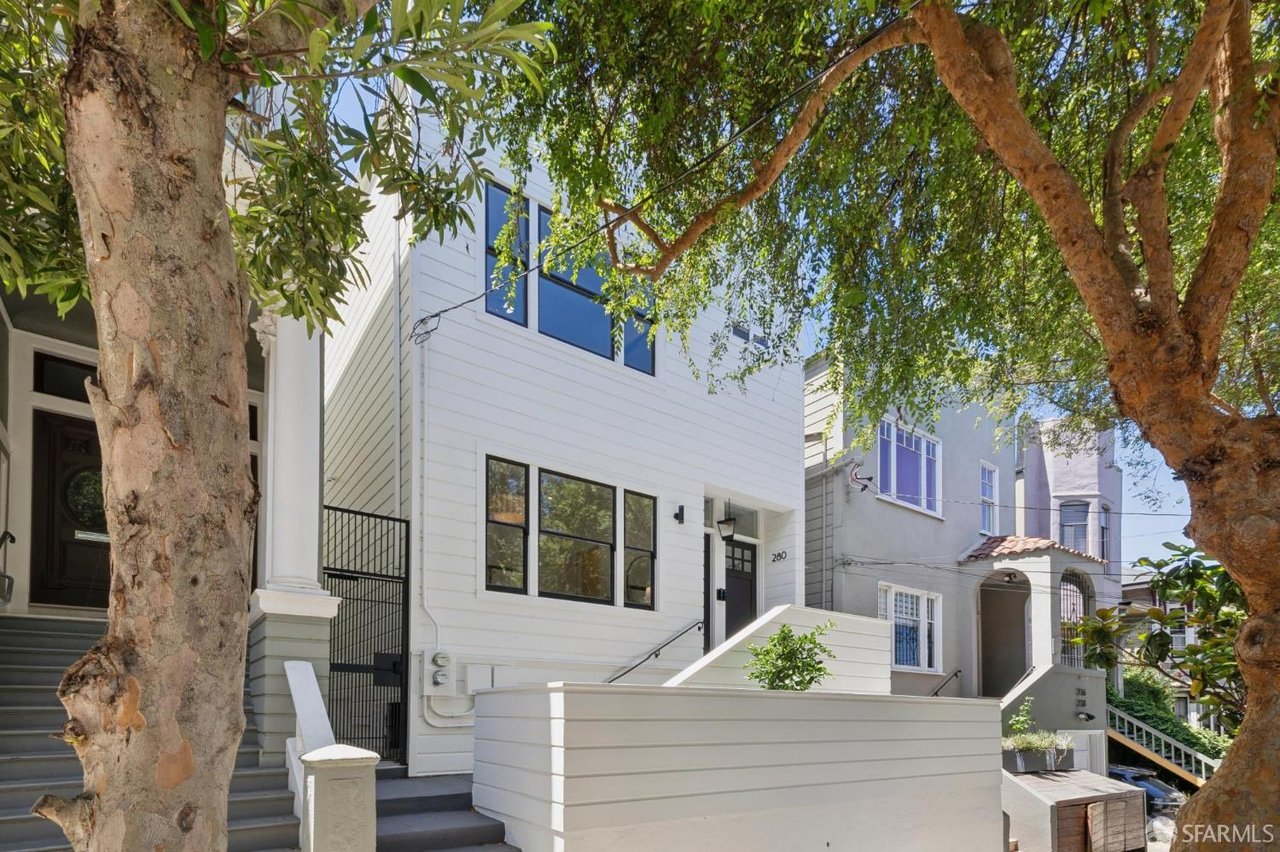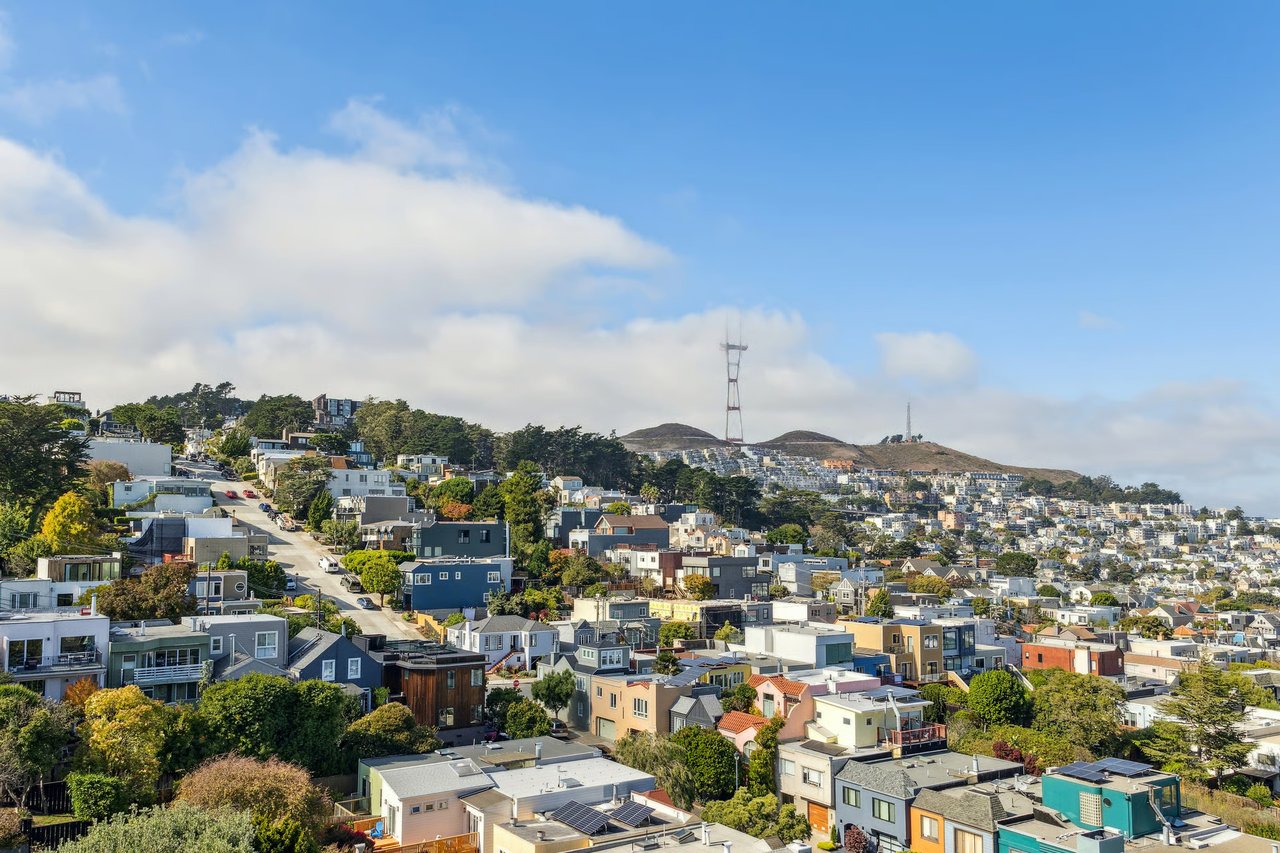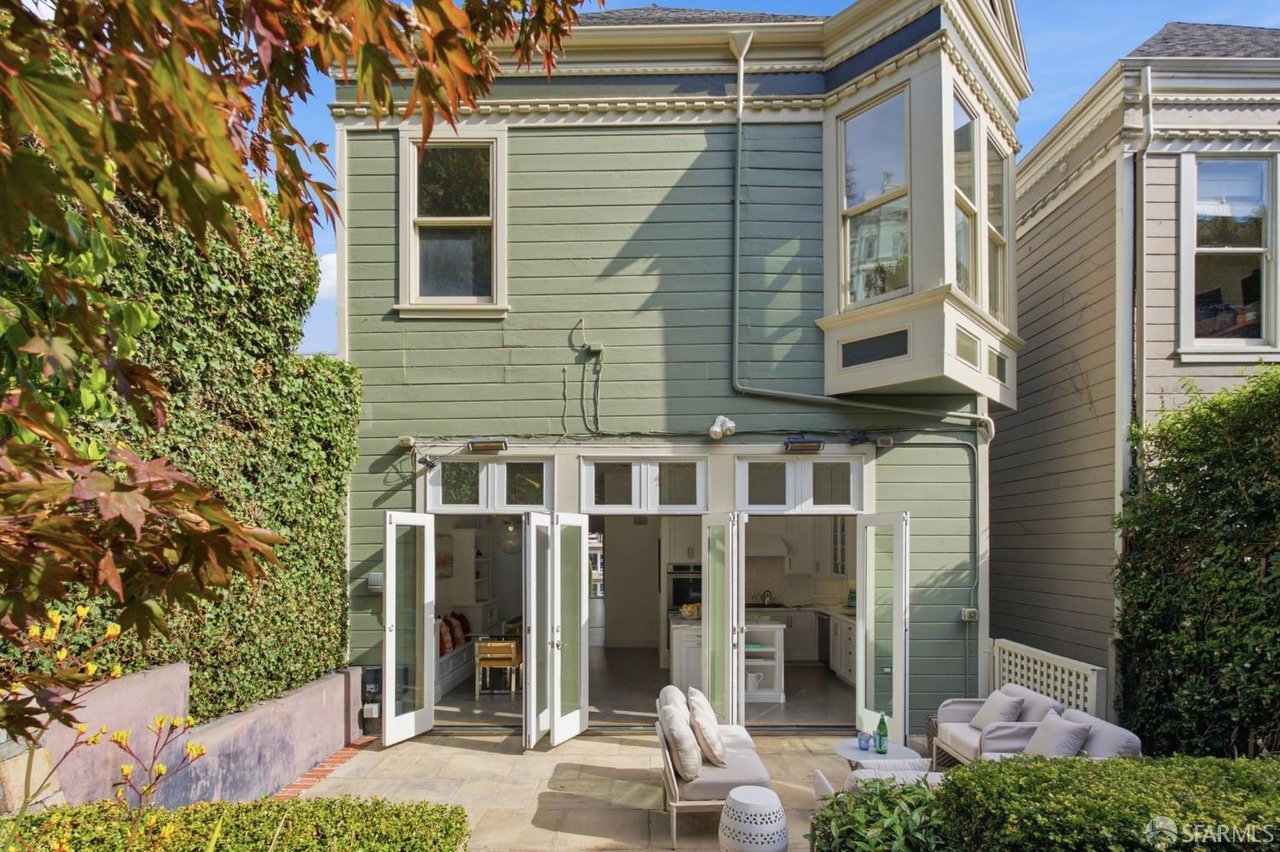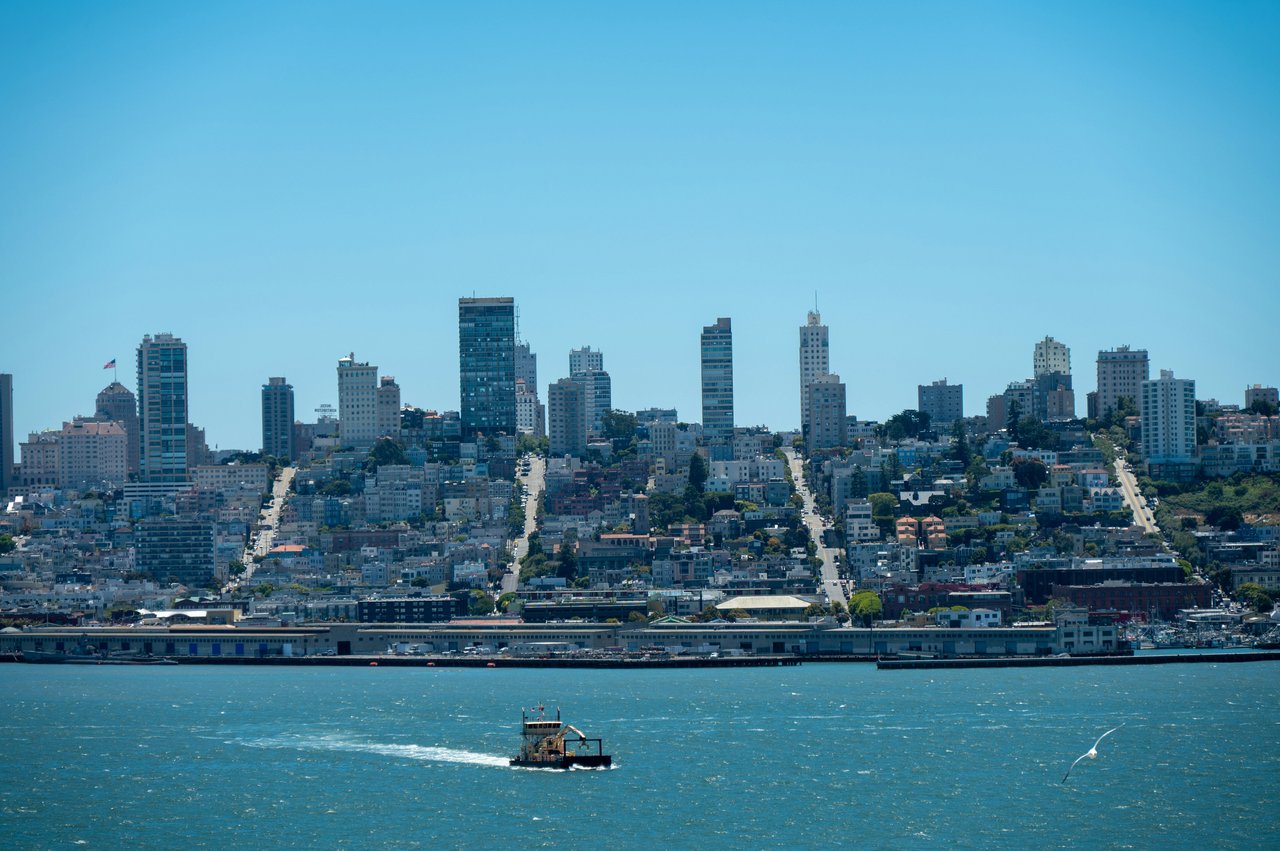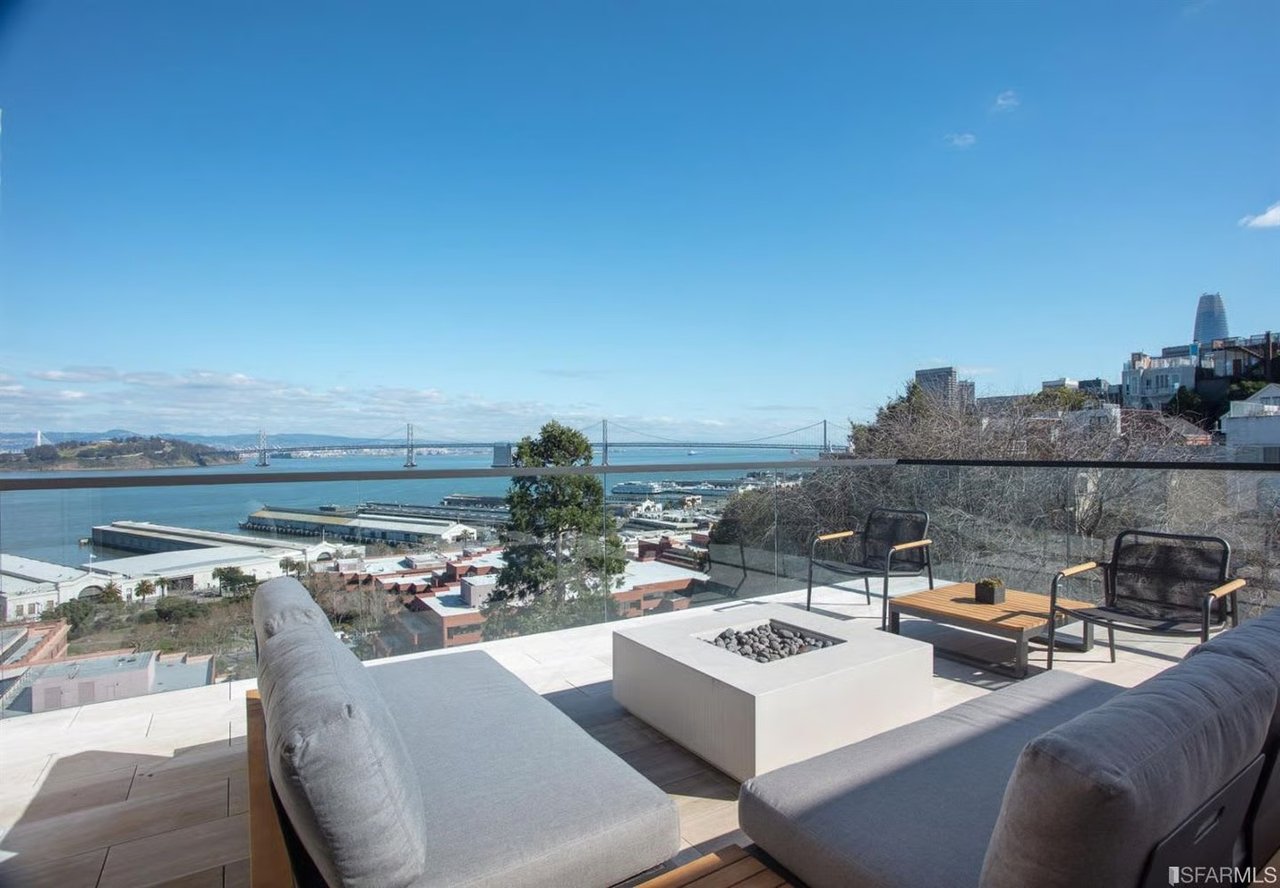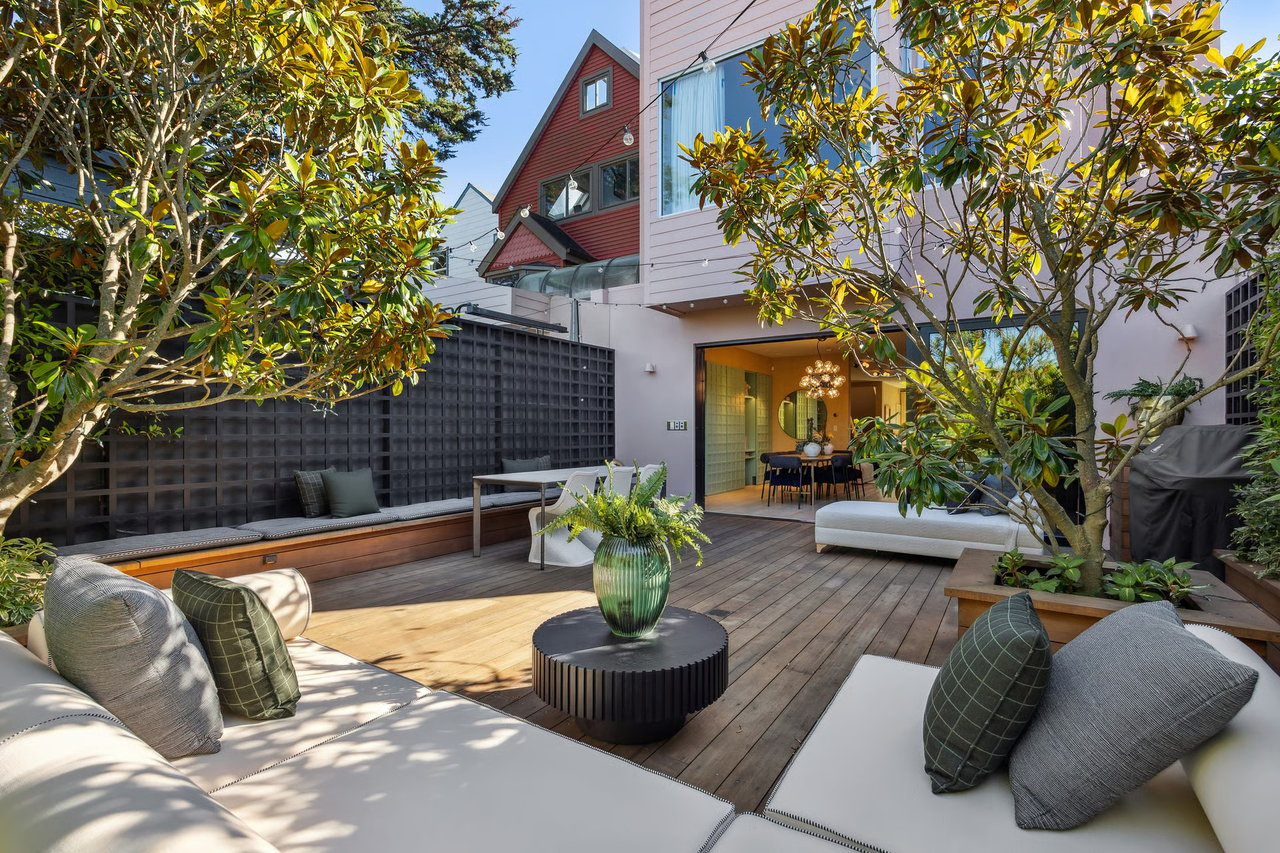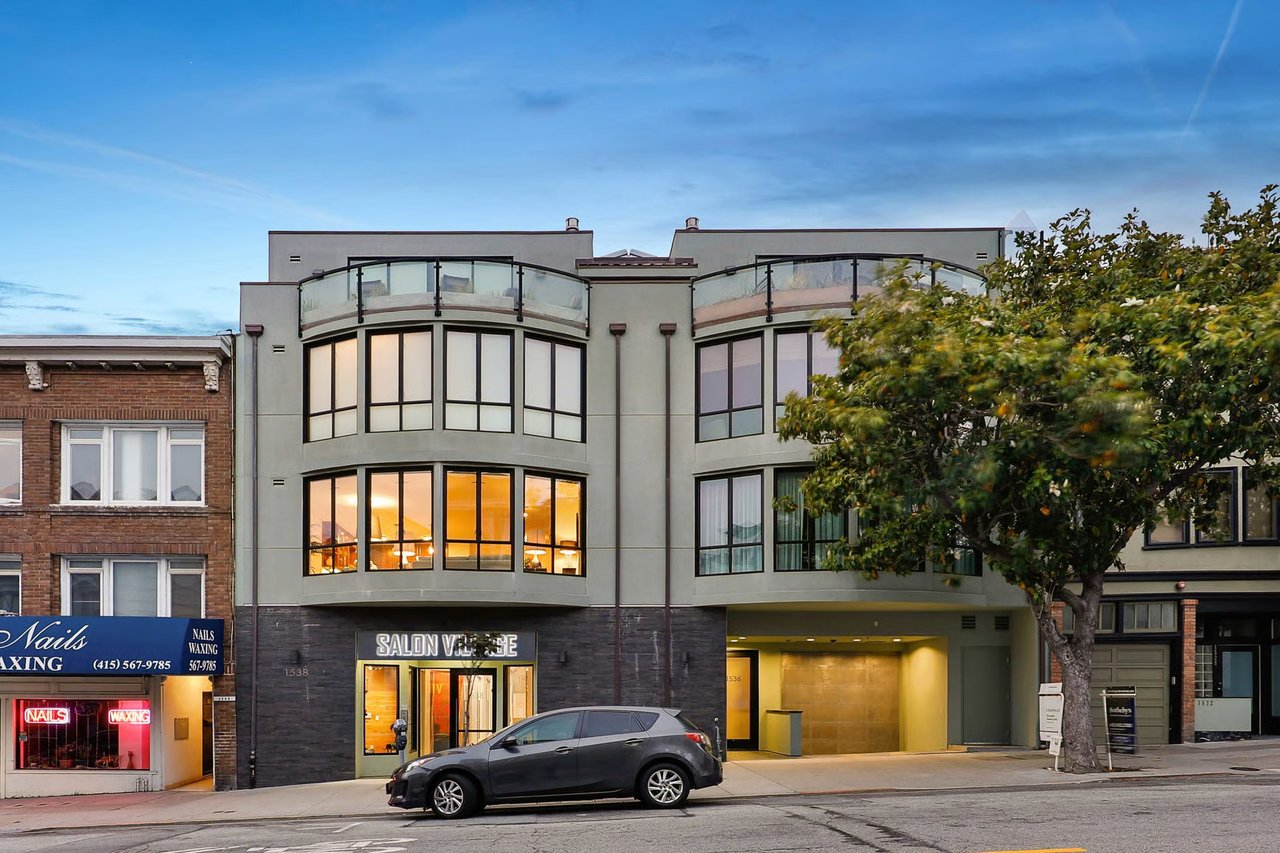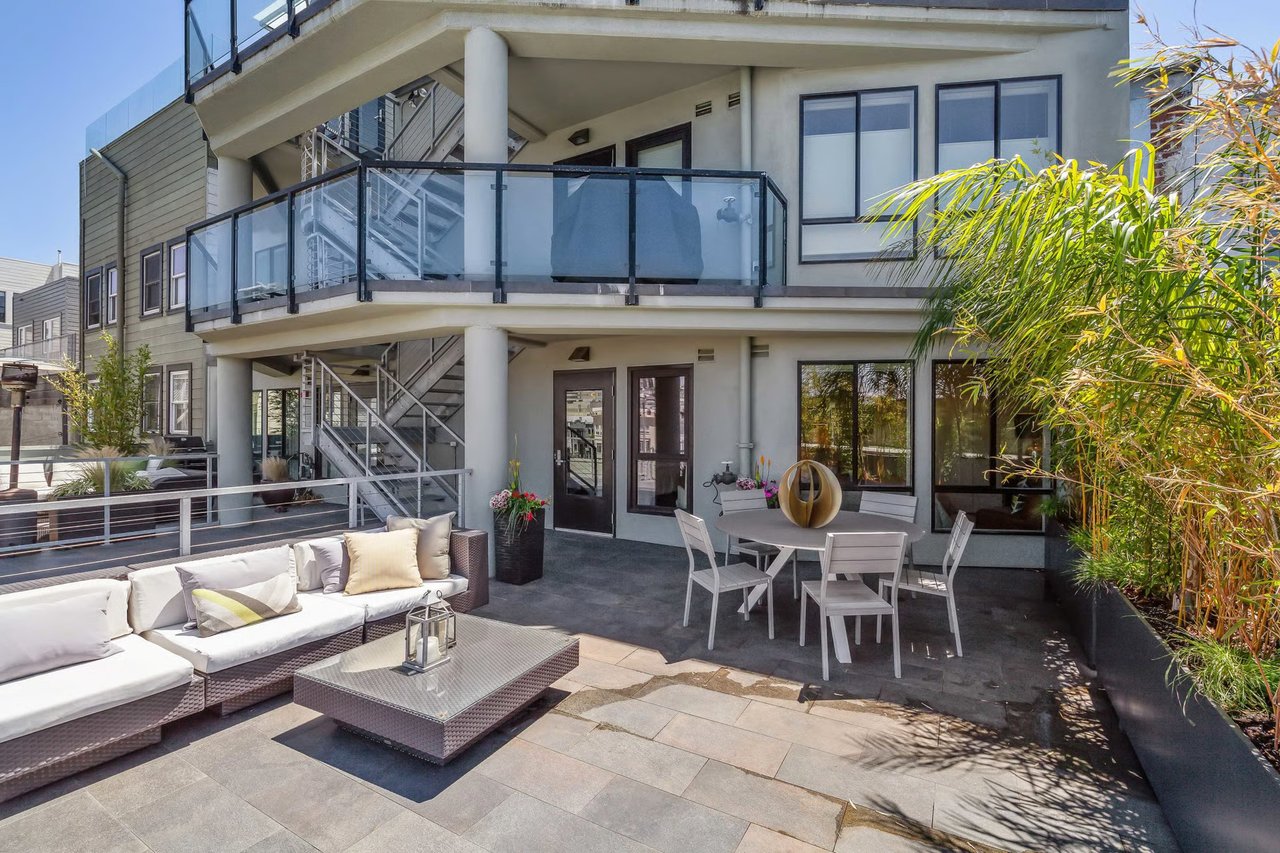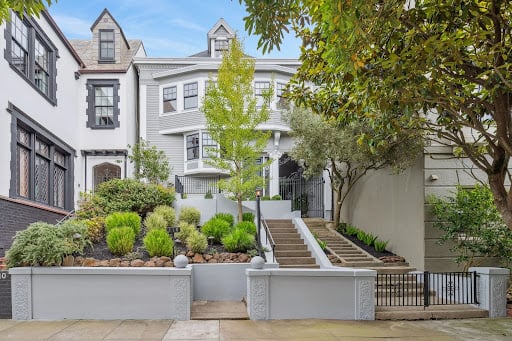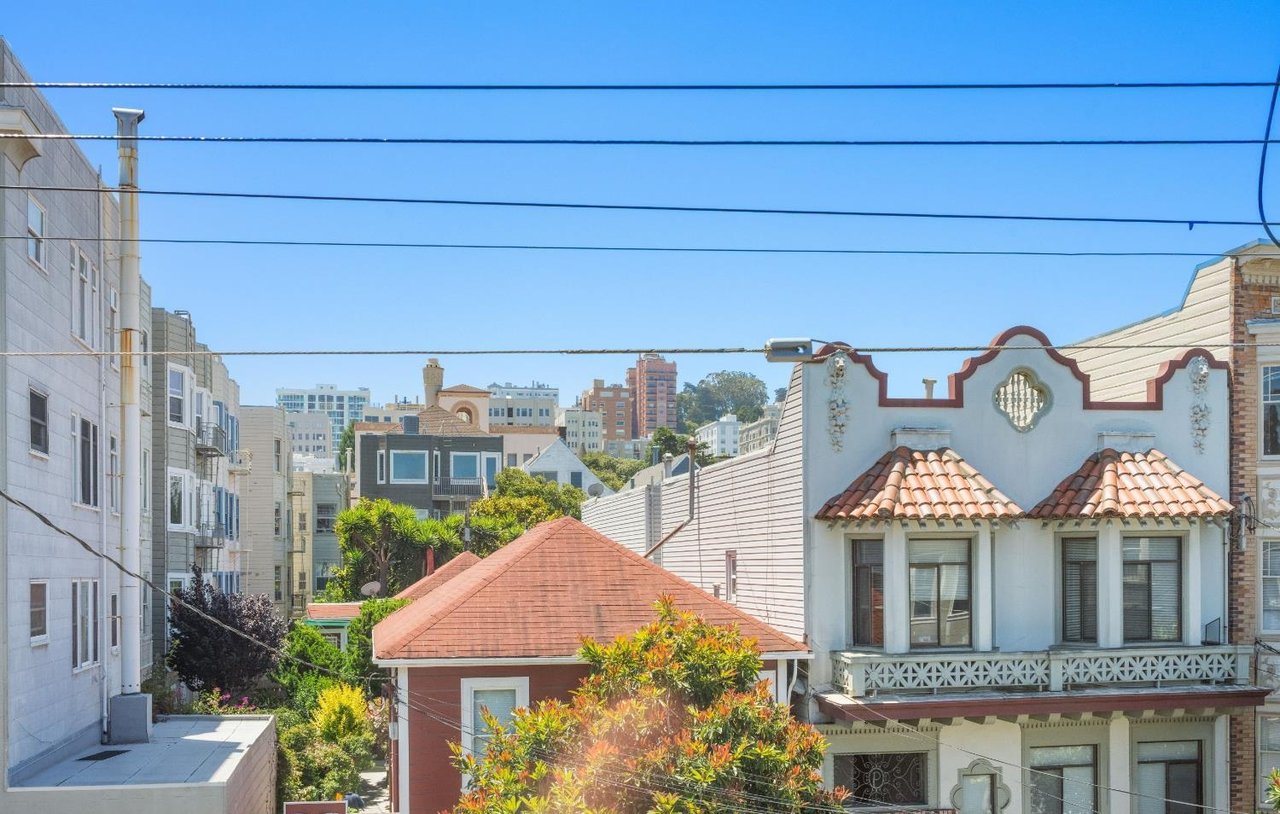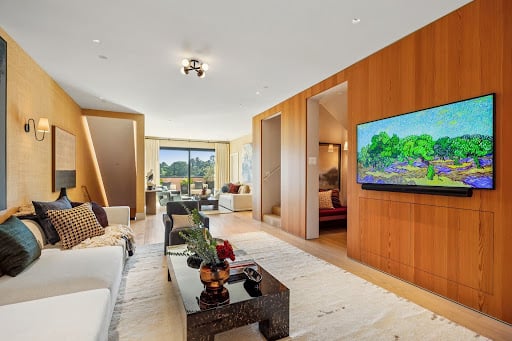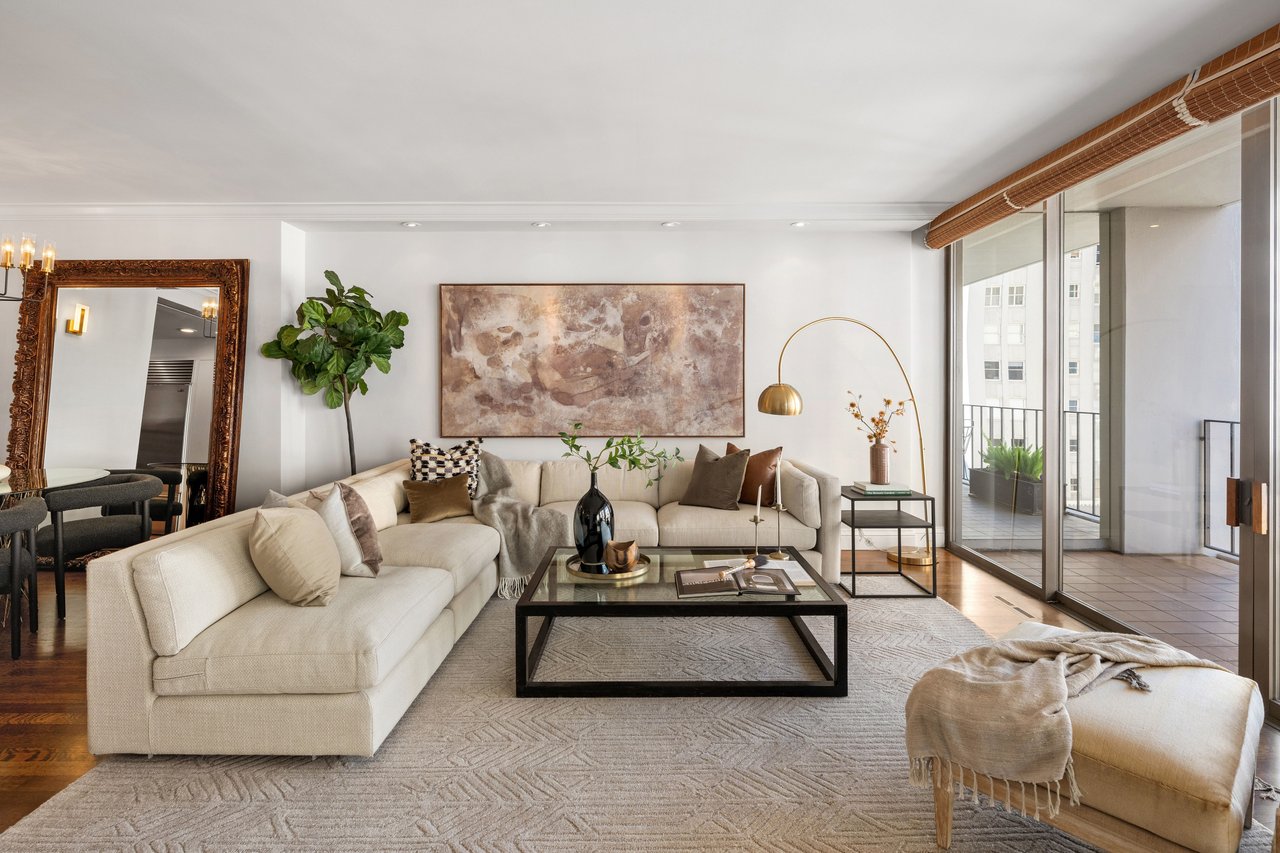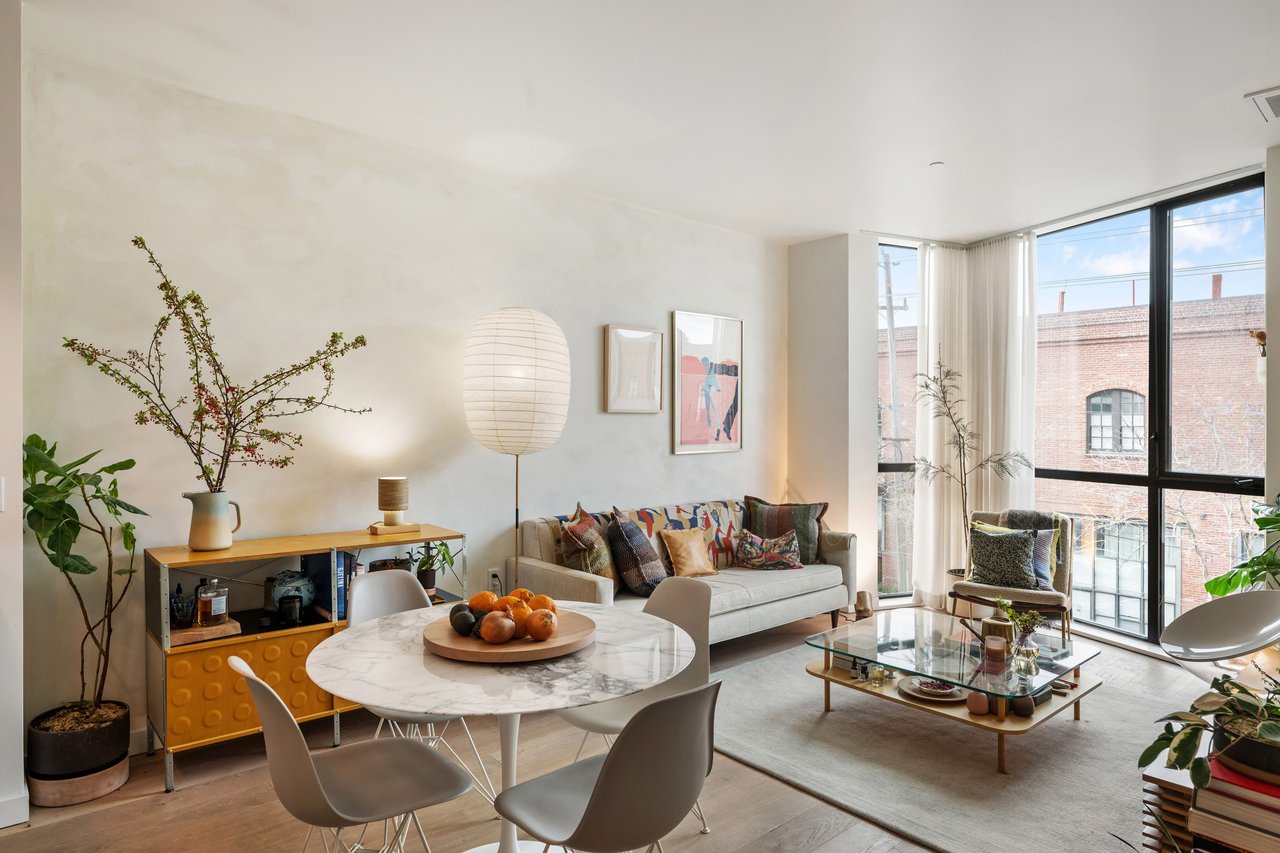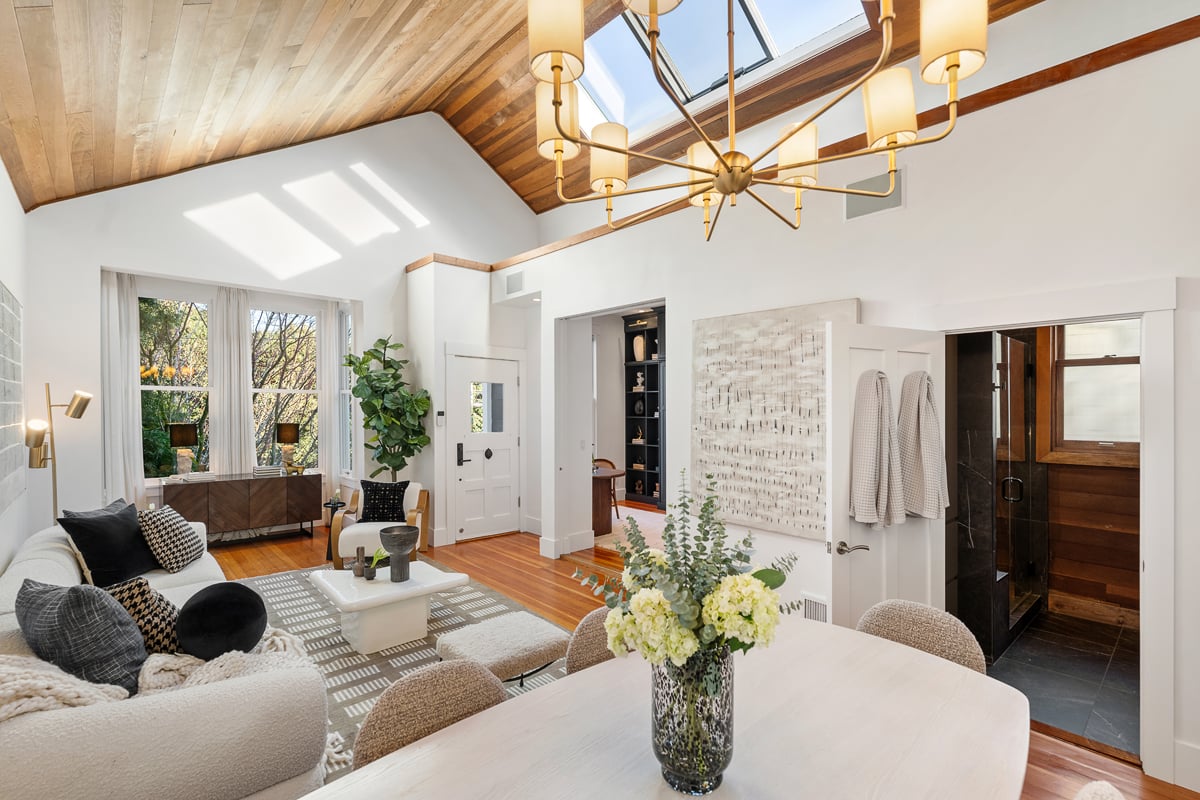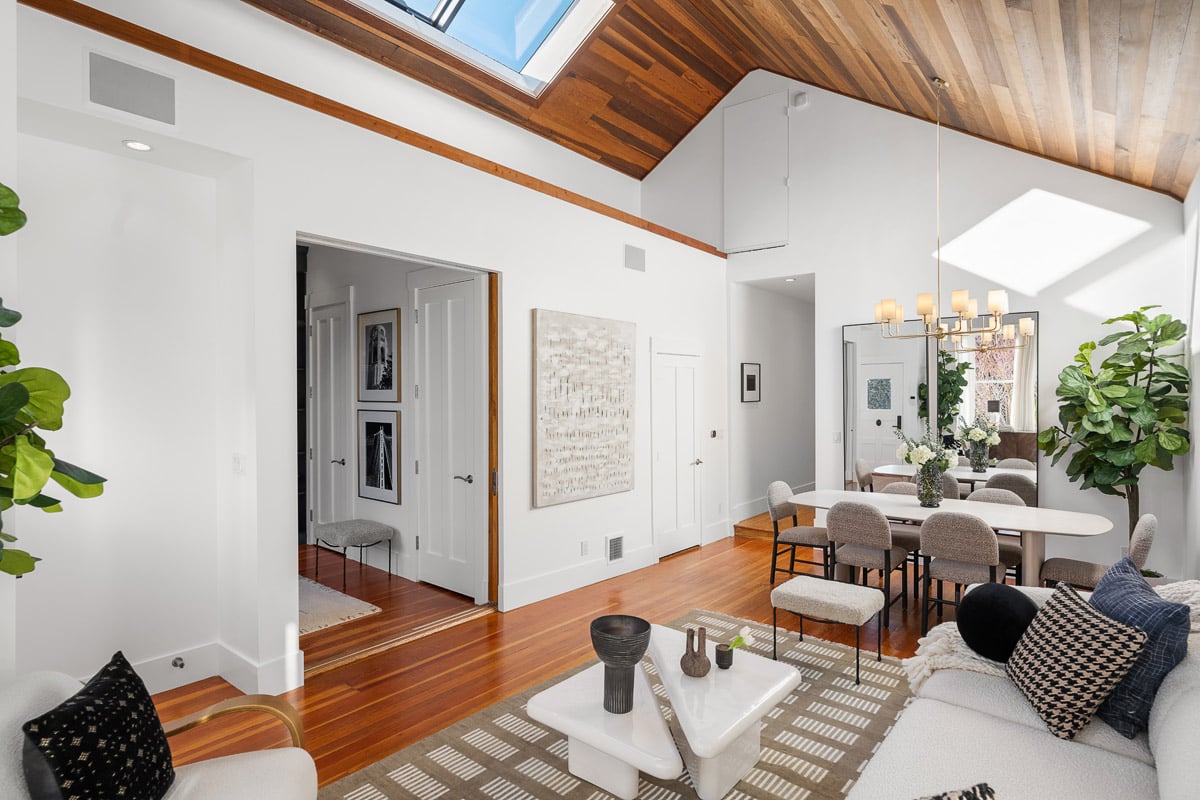
Picture a Pacific Heights home that goes live on a Thursday. By Sunday, the open house has a line out the door. By the following Tuesday, nine offers sit on the table, and the winning bid lands more than 20% over asking. That scene isn't rare in San Francisco right now; it's the norm. At Lurie SF, we built our entire approach around this reality, because when every great home draws a crowd, the outcome rarely comes down to luck. It comes down to preparation, access, and judgment.
In this post, I'll walk through what today's market actually looks like, why multiple offers have become standard, and what separates the buyers and sellers who come out ahead from those who walk away frustrated.
A Market Where Every Day Counts
San Francisco spent 2026 rewriting its own record book. In April, the median single-family price reached $2,125,000, up 21.43% from a year earlier, and May pushed it even higher to $2,190,000. Summer brought a seasonal cooldown, but the annual gains held firm. By August, the single-family median sat at $1,850,000, still 23.33% above August 2025.
Speed tells the same story. Single-family homes sold in an average of 13 days in August, and they've held a tight 12- to 13-day band all year. Condos, which needed 51 days to sell a year ago, now go under contract in about 19 days.
Then there's supply. At the end of August, only 159 single-family homes were for sale across the entire city, down 33% from a year earlier. Condo listings fell more than 36% to just 348 units. More sellers actually listed this summer than last, yet buyers absorbed every new home faster than it arrived.
Put those numbers together, and multiple offers stop being a surprise. When dozens of qualified buyers chase a handful of homes, bidding wars follow naturally. You can see the full breakdown in our September 2026 market report.
What the Numbers Say
Single-family median price hit $1,850,000 in August 2026, up 23.33% year over year
Houses sold for an average of 22% over asking in August, after peaking at 26% in June and July
Single-family inventory fell to 159 homes citywide, down 33.19% from August 2025
Single-family months of supply dropped to 0.8, far below the 3.0 that signals a balanced market
Condos sold in 19 days on average, down from 51 days a year earlier
Local Roots That Data Can't Replace
Data tells you where the market has been. It rarely tells you what a specific home on a specific block will do next week. That knowledge comes from years of watching how neighborhoods behave.
I'm a third-generation San Franciscan. I grew up in this city, and my family's history here shapes how I see every home. I know which streets in Pacific Heights hold their value through every cycle, which Noe Valley listings will spark a bidding war, and which homes carry a price tag too high to move. That kind of insight doesn't show up on a listing portal.
Over more than 750 transactions and $1 billion in career sales, I've watched small details change outcomes. A home with a quiet bedroom wing on a busy corridor sells differently than one a block over. A view that only appears from the top floor can add real value, but only if a buyer knows to look for it. Every recommendation I make draws on that history.
Local knowledge also protects clients from costly mistakes. Buyers new to the city often fall for a home without understanding how its micro location affects resale. Sellers sometimes set a price based on a neighbor's sale without realizing the two homes appeal to completely different buyers. Our neighborhood guides show just how sharply conditions vary from one part of the city to the next.
Seeing the Homes Most Buyers Never Will
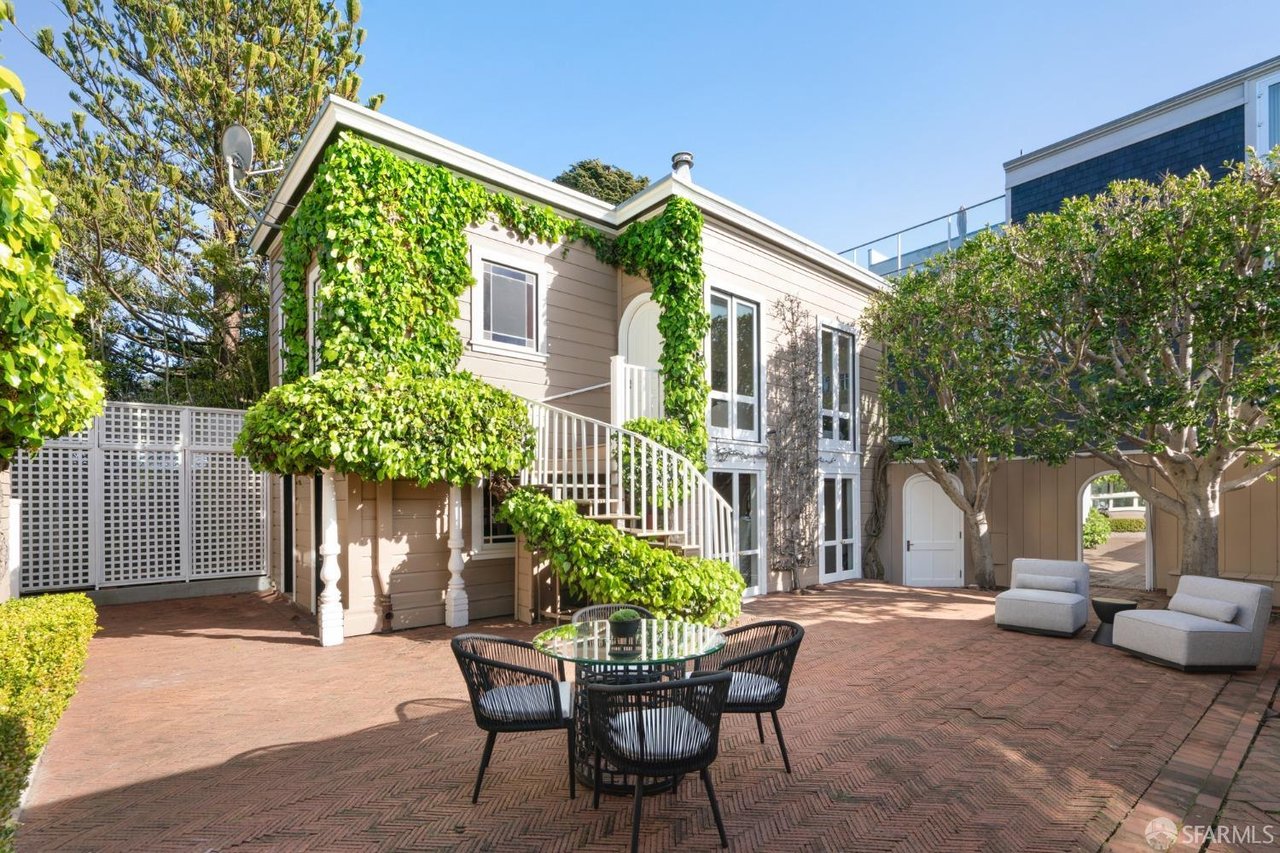
Here's something many buyers don't realize. A substantial share of San Francisco's most desirable homes never appear on public search sites at all. In the $5 million and above segment especially, many sales happen privately, between agents who know each other and buyers who've already shown they're ready.
This is where I've spent much of my time this year. In the first 100 days of 2026, I ranked #1 Agent Citywide for off-market sales of $5 million and above, at an average sale price of $9,150,000. That track record means sellers trust us with homes they don't want on the open market, and our buyers get a look at inventory others simply can't see.
For buyers, private access changes the game. Instead of competing against nine other offers on a public listing, you might negotiate one-on-one for a home that never hit the market. Our off-market listings page explains how this works and how to get access.
How Sellers Turn Competition Into Results
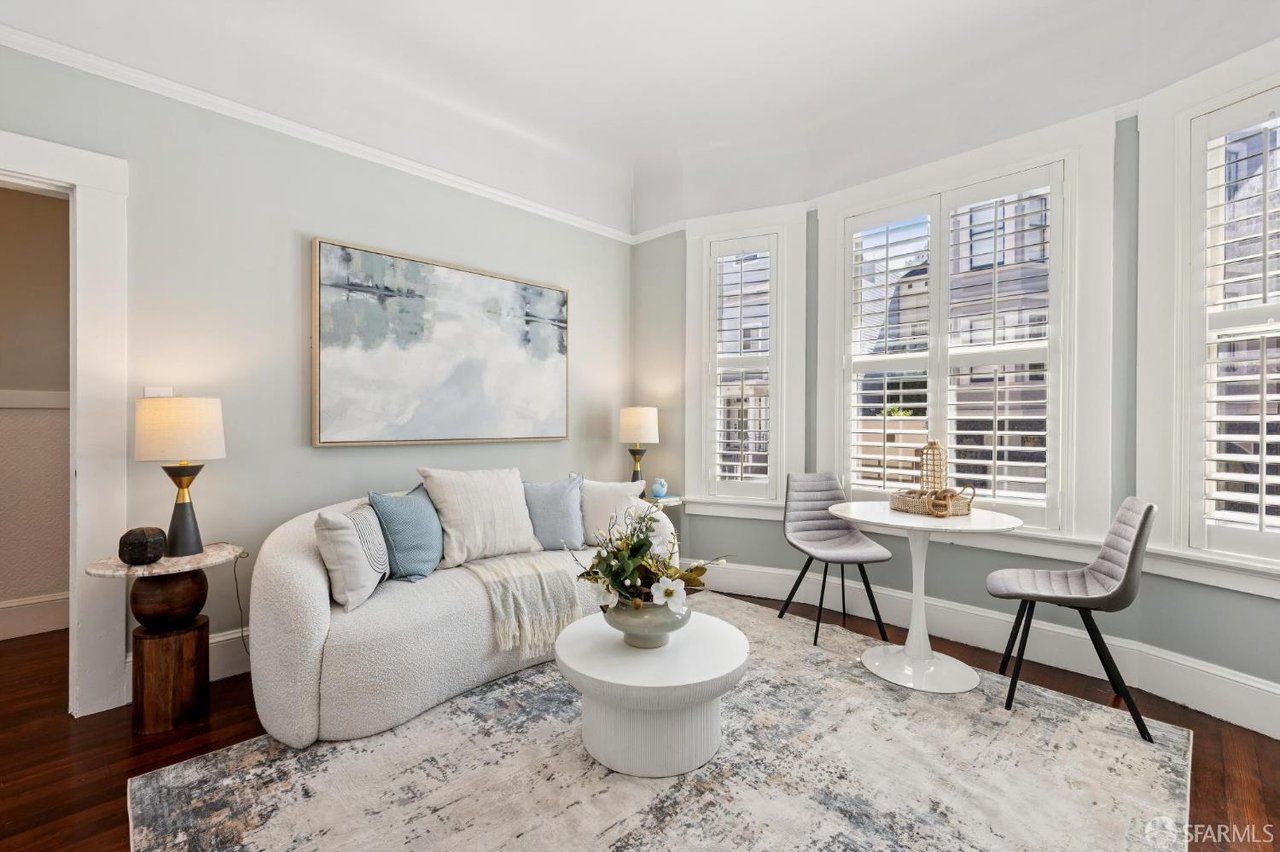
For sellers, multiple offers are the goal. But they don't happen by accident, even in a hot market. The homes that draw the strongest bids share a few traits. They carry a strategic price, they look beautiful, and they launch with a clear plan.
Pricing comes first. Price too high and buyers wait you out. Price thoughtfully and you invite competition that pushes the final number above what you'd have asked. Presentation follows. Staging, photography, and small repairs help a home stand out in its critical first week, when buyer attention peaks. Timing matters too, from the day a listing goes live to how we set offer deadlines.
The results speak for themselves. Homes we represent sell at a 3.3x premium over the citywide average. That premium comes from strategy, preparation, and a buyer network we've built over more than a decade. Learn more about how we work with sellers on our selling page.
What Winning an Offer Actually Takes
If you're buying, preparation decides more outcomes than budget does. The buyers who win in this market usually do a few things before they ever tour a home.
First, they secure full financing approval and have proof of funds ready. When homes sell in under two weeks, there's no time to start that process after you find the right place. Second, they understand which contingencies they can safely waive and which ones protect them. Third, they know their limit in advance, so they can make clear decisions under pressure.
Clean terms matter as much as price. A slightly lower offer with a fast close, strong financing, and few contingencies often beats a higher bid that carries more uncertainty. Sellers want confidence that their sale will close.
Sometimes winning means walking away. Not every home deserves an escalating bidding war, and a good agent will tell you when the numbers stop making sense. For a deeper look at strategy, read our guide on how to buy a home in San Francisco without losing the bidding war.
Winning Starts Long Before the Offer
In a market this fast, outcomes rarely come down to luck. They come down to preparation, private access, and local judgment built over years. Whether you're buying your first San Francisco home or selling a property you've owned for decades, Lurie SF brings all three to every transaction, so you can compete with confidence when every great home draws a crowd.
Work With The Lurie Group
The Lurie Group, led by Alexander Fromm Lurie, ranks among the top 1% of agents in San Francisco. With more than 500 transactions, over $1 billion in career sales, and a 3.3x sales premium over the citywide average, we pair deep local roots with exclusive off-market access. We represent buyers and sellers across the city, from Pacific Heights to Noe Valley, with concierge services that prepare homes for market and a buyer network that reaches far beyond public listings. Meet our team and read what our clients say.
Ready to make your move? Call us at (415) 696-0288 or reach out through luriegroup.com for a tailored perspective on your goals.
Frequently Asked Questions
How do I compete when a San Francisco home gets multiple offers?
Get fully approved for financing before you tour, keep proof of funds ready, and decide your limit in advance. Clean terms with fewer contingencies often win over a slightly higher but riskier bid.
Does Lurie SF represent both buyers and sellers?
Yes. We guide buyers through competitive offers and private opportunities, and we help sellers price, prepare, and launch homes to draw the strongest possible results.
How much over asking are San Francisco homes selling for right now?
Single-family homes sold for an average of 22% over asking in August 2026, after peaking at 26% in June and July. Condos sold for about 4% over asking.
What are off-market homes, and how do buyers get access to them?
Off-market homes sell privately without a public listing. Buyers usually reach them through agents with strong seller relationships and a reputation for bringing qualified, ready buyers.
How quickly are homes selling in San Francisco in 2026?
Single-family homes averaged 13 days on the market in August 2026, and condos averaged 19 days, down sharply from 51 days a year earlier.